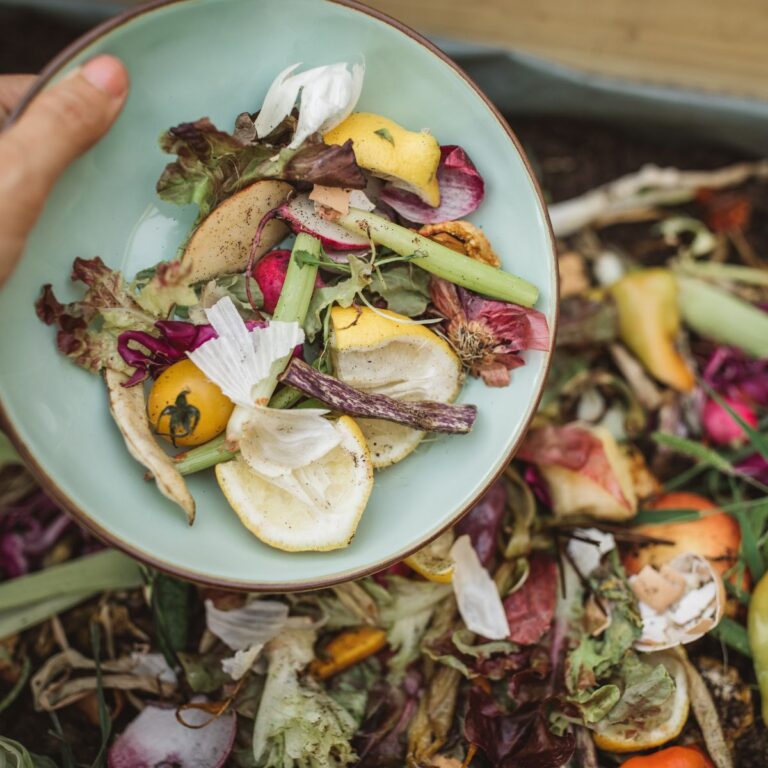



If deer often wander into your garden, you know how frustrating it is to see blooms nibbled away. While fences and sprays can help, one of the easiest ways to protect your garden is to choose flowers that deer usually avoid.
Deer, like all animals, have their own tastes. No plant is completely safe, but many flowers are less appealing to them. Planting these blooms allows you to enjoy a colorful, lively garden without constantly worrying about hungry visitors.
Here are 13 beautiful, deer-resistant flowers that will brighten your garden while staying mostly untouched.
Dianthus
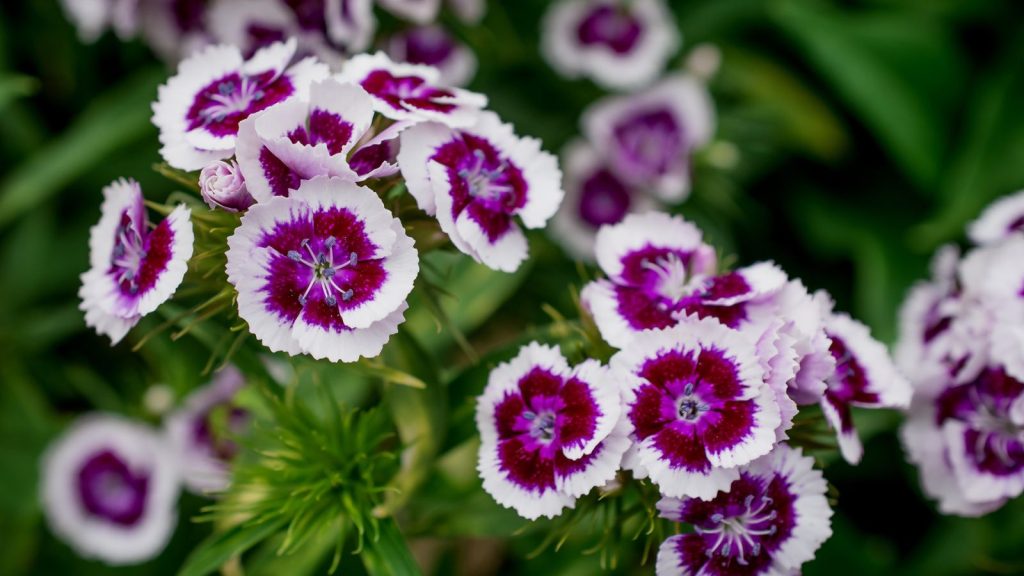
With their vivid colors and sweet, spicy scent,
These annuals attract butterflies, hummingbirds, and other pollinators and come in various forms, from low ground covers to taller upright varieties. Perfect for border displays, containers, and cutting gardens, Dianthus thrives in full sun and well-drained soil.
Coneflower

Also known as
Marigold (Tagetes Spp.)

A kitchen garden classic,
Marigold plants prefer full sun and well-drained soil. They require regular watering until well-established but can tolerate hot, dry conditions.
Strawflower

Strawflowers are resilient flowers that thrive in warm, dry climates and prefer well-drained, average soil. They are a low-maintenance choice for long-lasting beauty and are deer-resistant. Their blooms are available in shades of yellow, pink, orange, and red.
Columbine (Aquilegia Canadensis)

Columbine is a perennial with bright flowers contrasting against dark, clover-shaped leaves. Available in various colors, including two-tone, its unique bell-shaped flowers with five spurs catch the eye. Ideal for slopes, ledges, or open garden spaces, Columbine adds beauty, attracts wildlife, and deters deer.
Snapdragon (Antirrhinum Majus)

Unlike most fast-growing annuals, Snapdragons produce most of their flowers in the cooler months of spring and fall. The tall spikes of tubular flowers come in a range of colors, adding height and interest to your ornamental flower garden.
Snapdragons prefer full sun or partial shade and should be planted in fertile, well-draining soil and watered regularly. They grow best in zones 4-11 but do not tolerate long periods of drought.
Nasturtium (Tropaeolum Majus)
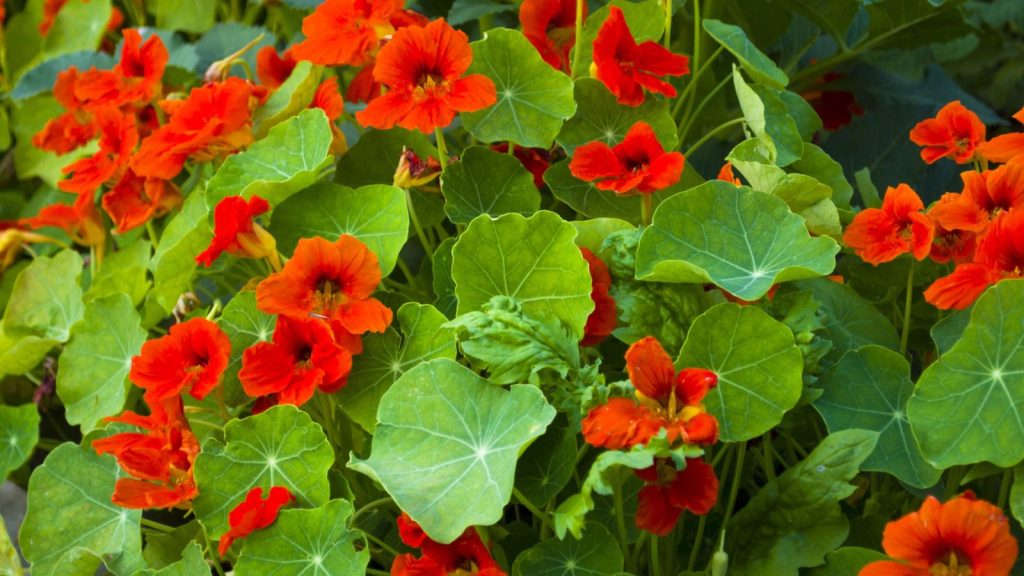
Nasturtium is a trailing plant that produces mounds of bright green leaves and an array of flowers in shades of orange, yellow, and red. Its sprawling growth habit makes it great for quickly covering bare soil, but it can crowd out smaller plants.
Plant
Bee Balm
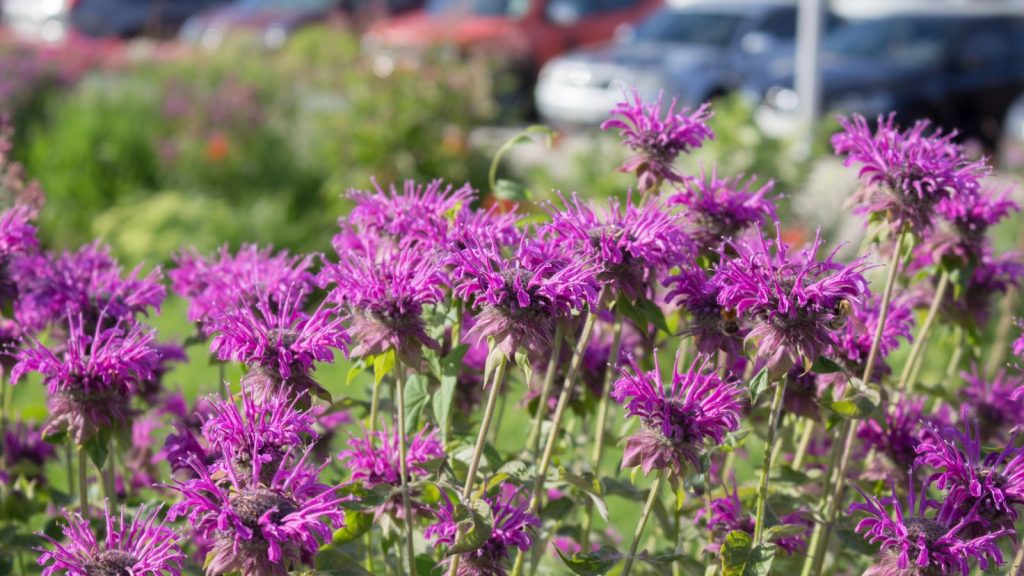
True to its name,
Calendula

Calendula is a bright and cheerful plant that enhances any garden. Plant it in early spring to enjoy its vibrant flowers from late spring until early summer.
Calendula flowers and petals can be used in cooking. While the leaves are edible, they tend to be bitter and are commonly added to salads for an extra bite.
Calendulas are easy to grow in well-drained soil and thrive in gentle sunlight. They also help control pests and deter deer and rabbits, making them beneficial for protecting vegetable gardens.
Sweet Pea (Lathyrus Ooratus)

Sweet Peas climb and vine their way upwards throughout the summer, producing fragrant flowers in shades of pink, purple, and red. This fast-growing annual is ideal for growing on a trellis or fence and will flower for several months if dead-headed regularly.
Sow Sweet Pea seeds directly into fertile soil in a well-draining, sunny spot. This fast-growing annual flower grows well in zones 2-11.
Sweet Alyssum (Lobularia Maritime)

Sweet Alyssum is a low-growing plant that produces a carpet of tiny flowers in white, pink, and purple shades. Its strong fragrance attracts insect life that can help keep garden pests at bay.
Sow Sweet Alyssum in well-drained soil in full sun to partial shade. It tolerates poor soil and drought well and can be grown in zones 5-11.
Globe Amaranth (Gomphrena Globose)

The globe-shaped flower heads of Globe Amaranth produce a pompom-like carpet of blooms in vibrant shades of pink, purple, and red. This fast-growing annual will thrive in containers and ornamental gardens with little maintenance.
Globe Amaranth should be grown in full sun in well-drained soil. Grown as an annual in zones 2-11, this rapidly growing plant can tolerate drought and will attract clouds of butterflies to your garden.
Butterfly Weed
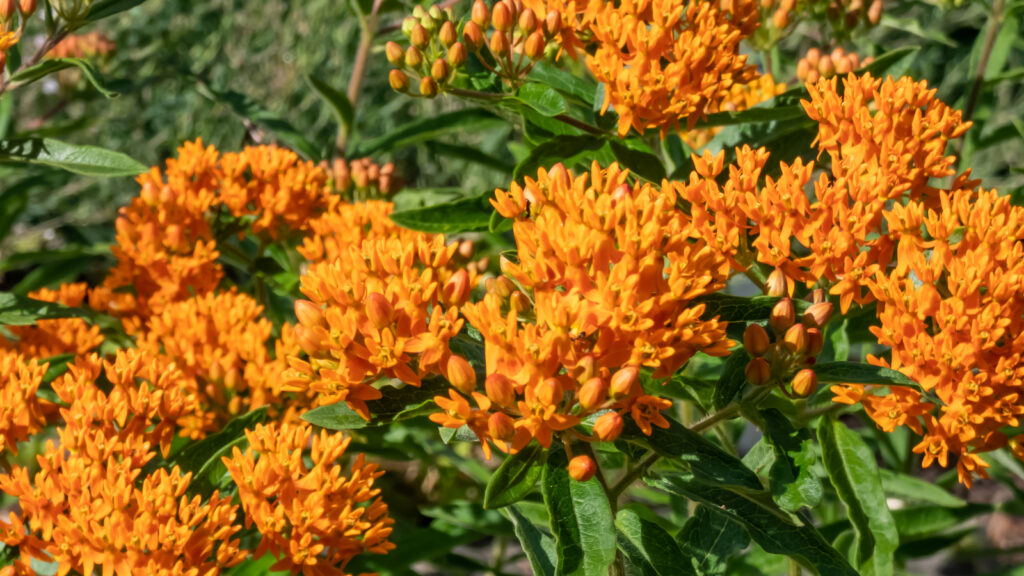
Butterfly weed, a form of milkweed, is a brightly colored wildflower. It blooms in vibrant shades of yellow, orange, and red and is deer-resistant. This sun-loving plant thrives in light, sandy soil with good drainage. Zones 3-9