



It’s easy to toss out used coffee grounds without a second thought, but they’re actually full of potential for your garden. Rich in nutrients, coffee grounds can help feed your plants, improve soil, and even keep pests away. Here are 10 ways to put them to good use in your garden.
Deter Slugs and Snails
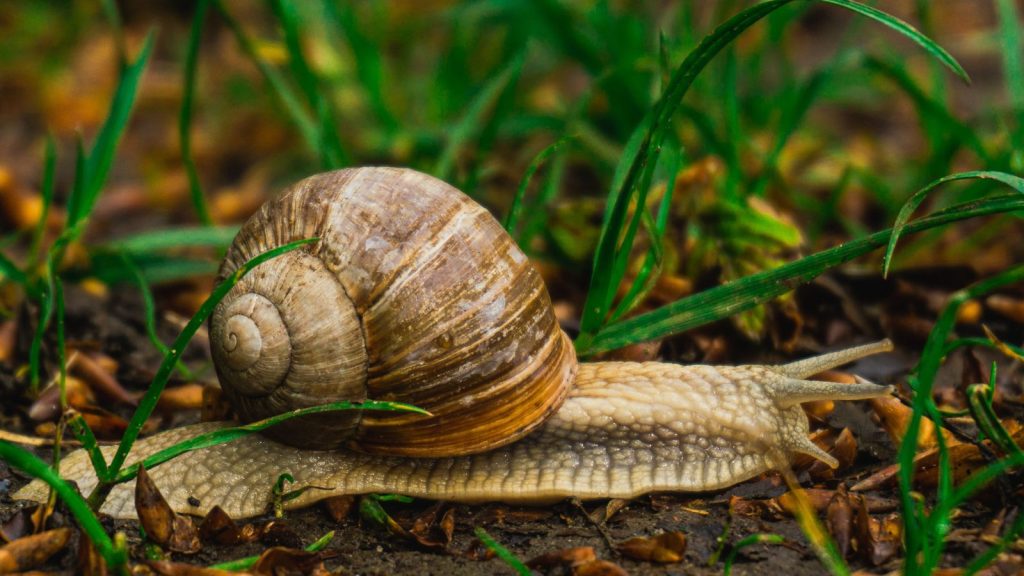
Slugs and snails tend to avoid coffee grounds—not so much for their texture, but because of the caffeine content. A ring of grounds around vulnerable plants can act as a natural deterrent, though you may need to reapply after heavy rain.
Natural Fertilizer

Coffee grounds are packed with nutrients your garden will love. Rich in nitrogen and small amounts of phosphorus and potassium, coffee grounds provide essential elements that promote healthy, leafy plant growth.
Add to Your Compost
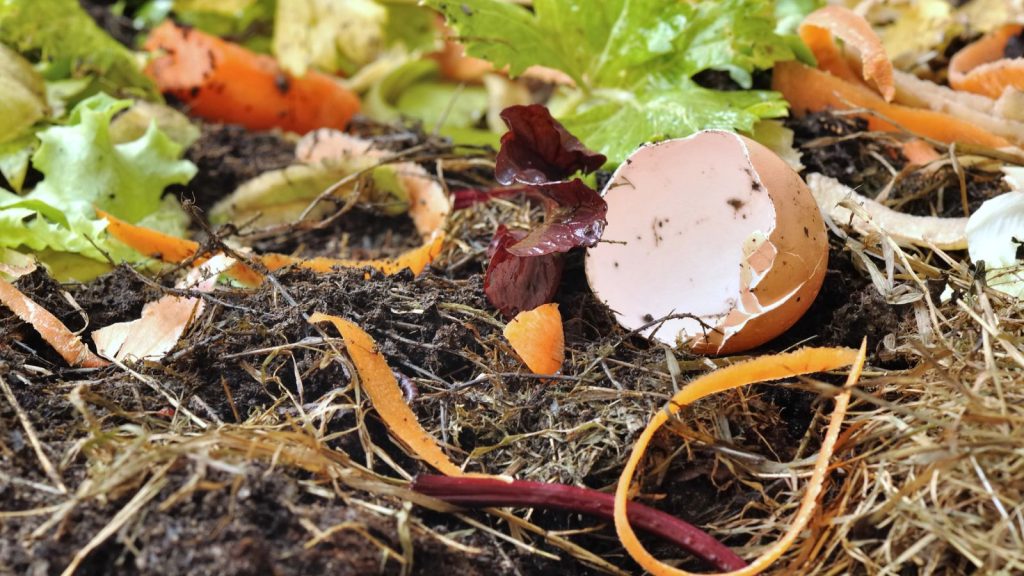
Tossing used coffee grounds into your compost pile is a smart way to enrich it. Classified as a “green” material, coffee grounds contribute valuable nitrogen to balance the carbon-rich “browns” like dry leaves or paper. The result is a well-balanced, nutrient-dense compost that improves soil structure and fertility.
Repel Insects and Pests

The strong smell of coffee is invigorating to us but irritating to pests. Sprinkle coffee grounds around your garden beds to help repel ants, beetles, and other unwanted bugs. It’s a natural, chemical-free way to keep the bad guys away while protecting your pollinators and beneficial insects.
Mulch with Caution

Coffee grounds can be used as mulch. Mix them with other mulching materials like shredded leaves, straw, or wood chips for best results. This blend helps retain moisture, regulate soil temperature, and suppress weeds—all while nourishing your garden.
DIY Foliar Spray
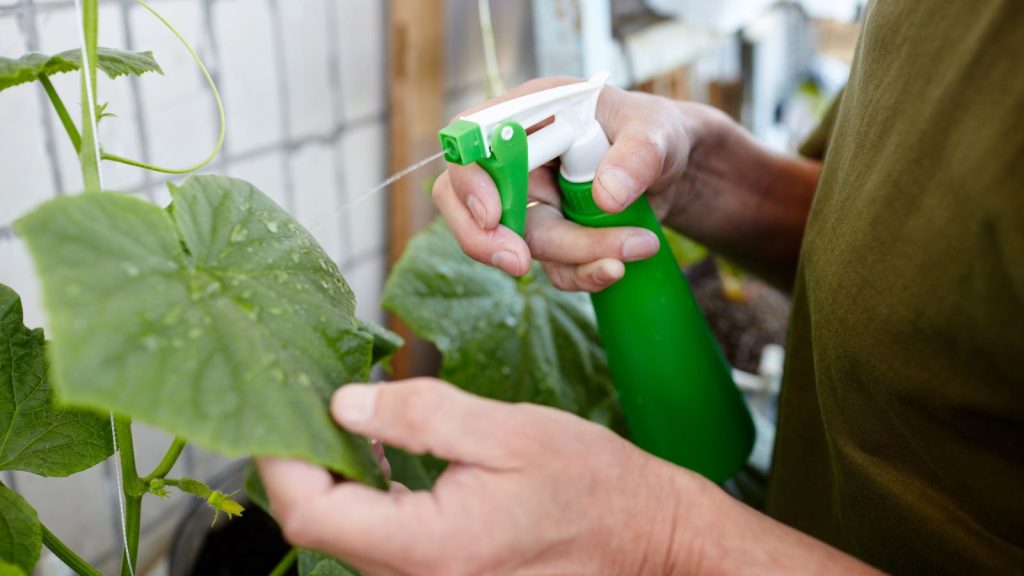
Steeped coffee groundwater can also be used as a foliar spray—simply strain the mixture and spritz it onto plant leaves. It delivers nutrients directly to where they’re needed and may even give your plants a mild disease-fighting edge. Be sure to test on a small area first to ensure your plants respond well.
Feed Your Worms

If you’re vermicomposting, your worms will thank you for adding coffee grounds to their diet. Coffee helps create a rich environment that encourages worms to process organic matter more efficiently. Just mix the grounds with other food scraps and bedding to avoid making the bin too acidic.
Help Prevent Fungal Infections

Coffee grounds’ natural antimicrobial properties may help reduce the presence of certain fungal pathogens in the soil, such as Fusarium and Pythium. While not a cure-all, sprinkling grounds around the base of plants can be part of a broader, organic disease-prevention plan.
Enhance Soil Quality

Used coffee grounds can be mixed with other organic materials—like crushed eggshells or wood ash—to create a well-rounded soil amendment. This homemade blend introduces a range of nutrients into the soil, improves drainage, and promotes healthy root development. It’s a great way to build long-term soil health naturally.
Keep Cats Out of the Garden

Do you have neighborhood cats that treat your garden like a litter box? Try sprinkling coffee grounds in problem areas. The strong scent can deter curious felines and encourage them to do their business elsewhere, without harming them or your plants.
14 Native Flowers That Thrive in Dense Clay Soil
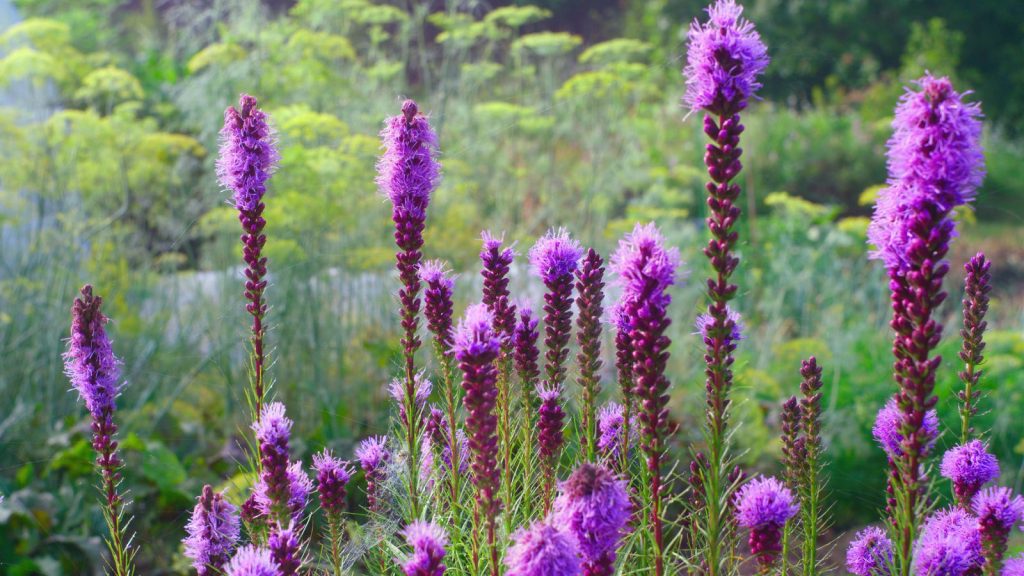
Whether you’re aiming for bursts of color, pollinator-friendly blooms, or hardy perennials that return year after year, these native plants will transform your clay-heavy garden into a thriving, beautiful space.
14 Native Flowers That Thrive in Dense Clay Soil
12 Clever Ways to Use Up Leftover Orange Peels

The next time you peel an orange, think twice before tossing the peel. While many people see the peel just as something to throw away, it can actually be useful for things like skincare, cleaning, and cooking- proving that the outer layer of this popular fruit is as beneficial as its nutritious interior.
12 Clever Ways to Use Up Leftover Orange Peels
28 Ways to Live Sustainably and Reduce Dependence on Retail and Grocery Stores

Here are some ways to live more independently and cultivate a truly self-reliant lifestyle.
28 Ways to Live Sustainably and Reduce Dependence on Retail and Grocery Stores
14 Native Flowers That Thrive in Dense Clay Soil
Whether you’re aiming for bursts of color, pollinator-friendly blooms, or hardy perennials that return year after year, these native plants will transform your clay-heavy garden into a thriving, beautiful space.




Wow that’s awesome I will try that ☺️
Good to hear.
All the information about coffee, orange peel etc is very helpful. Thanks.
You are welcomed