
Gardening often comes with a long list of do’s and don’ts—passed down like gospel from books, blogs, and well-meaning neighbors. But sometimes, sticking too closely to the “rules” can take the fun out of it—and even hold your garden back.
Some of the best gardeners learn to trust their instincts, observe what’s really happening in the soil, and adjust along the way. It’s less about getting everything perfect, and more about finding what works in your garden, with your climate, and your plants.
If you’re open to breaking a few traditional rules in the name of stronger plants, healthier soil, and a more enjoyable gardening experience, these 13 tips might be just what you need.
Embrace Imperfection
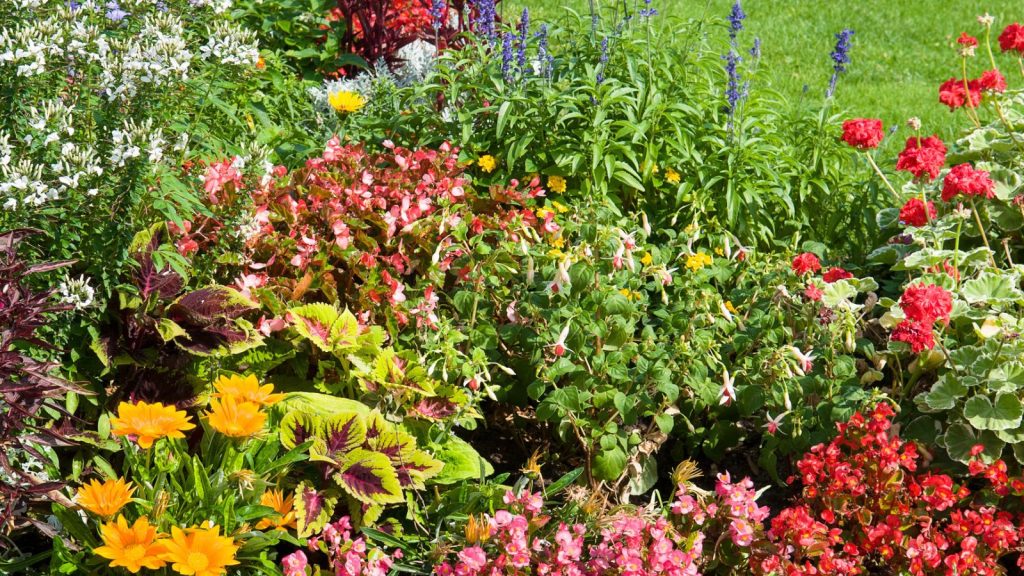
It’s easy to feel like your garden needs to look flawless especially when you see photos of so many perfectly edged lawns and photo-ready flower beds. But here’s a little secret: the best gardens have character—and a little chaos.
A few weeds and a bit of unruly growth can actually make your space feel alive and natural. Let nature take the lead, and your garden will feel more like its own little ecosystem than something out of a catalog.
Plant Herbs with Your Flowers
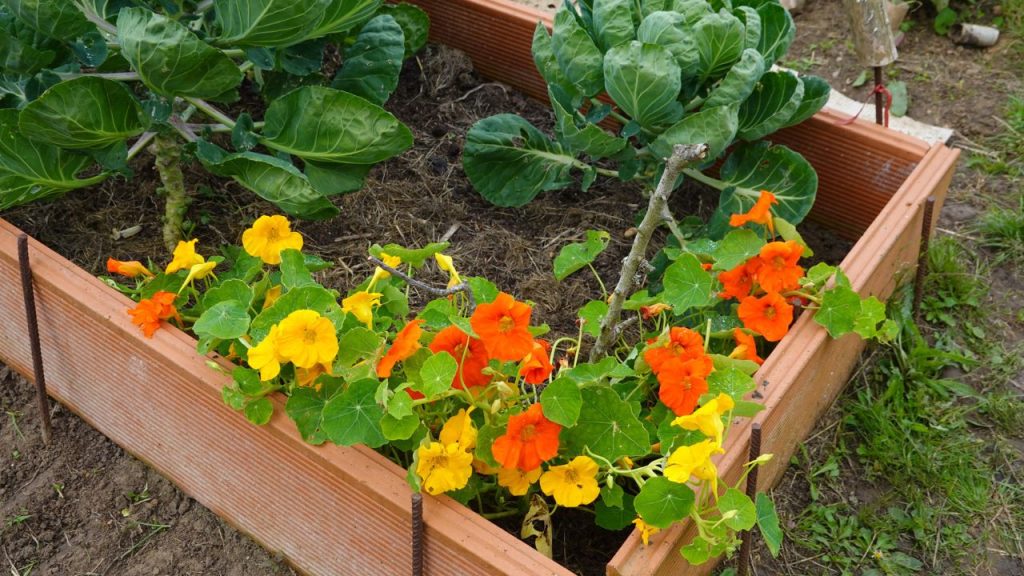
Who says herbs belong in one bed and flowers in another? Mixing them together supports natural pest control. Basil can help protect your tomatoes, while
Don’t Overdo the Fertilizer

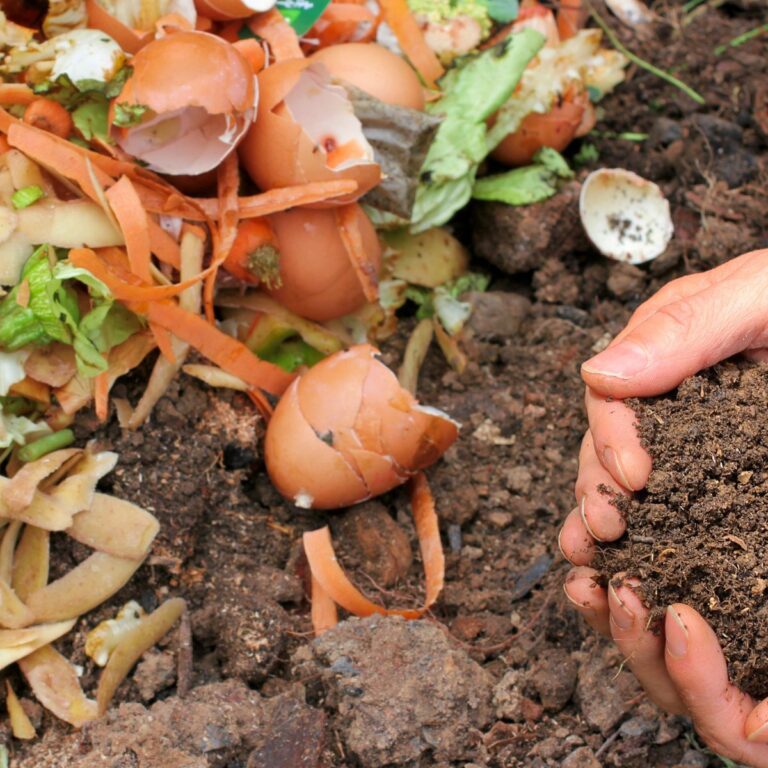
It’s tempting to think more fertilizer means bigger, better plants—but that’s not always the case. Over-fertilizing can cause weak, leggy growth and damage roots. Instead, focus on feeding your soil slowly and naturally with compost or organic matter.
Trust the Weather, Not Just the Calendar

Planting calendars are helpful, but they’re not gospel. Pay attention to the conditions in your own backyard. If spring comes early or stays late, adjust your planting accordingly. Tuning into your local climate can lead to better timing and stronger plants.
Talk to Your Plants

It might sound silly, but many gardeners swear by it—and science even suggests plants respond to sound. Whether you’re chatting, humming, or simply being more mindful around your plants, the connection helps you stay tuned in to their needs. And hey, it can be a calming ritual for you, too.
Yes, Sometimes It’s Okay to Water Midday

We’re often told to water in the morning or evening to reduce evaporation—but if your plants are drooping under the midday sun, it’s okay to give them a drink. A little splash at the right time can prevent stress and keep your plants happier. Just don’t make it a habit unless truly needed.
Use Coffee Grounds… Sparingly
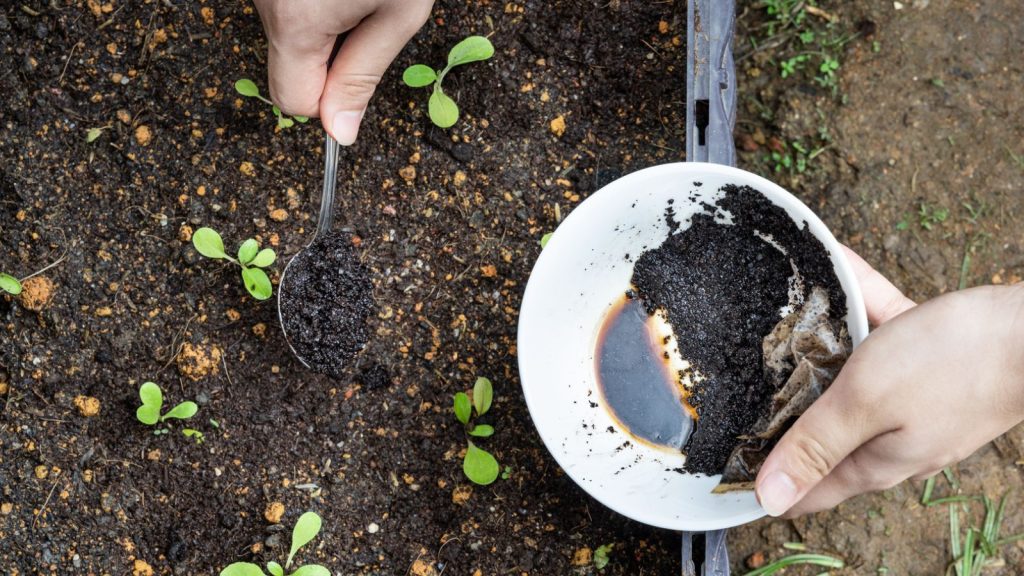
Coffee grounds are a favorite DIY fertilizer, but they’re high in nitrogen and acidic—too much can throw off your soil balance. Sprinkle lightly, mix them into compost, or use them as mulch in moderation. A little goes a long way.
Related: 22 Plants That Thrive with Coffee Grounds
Mix Your Soil Types
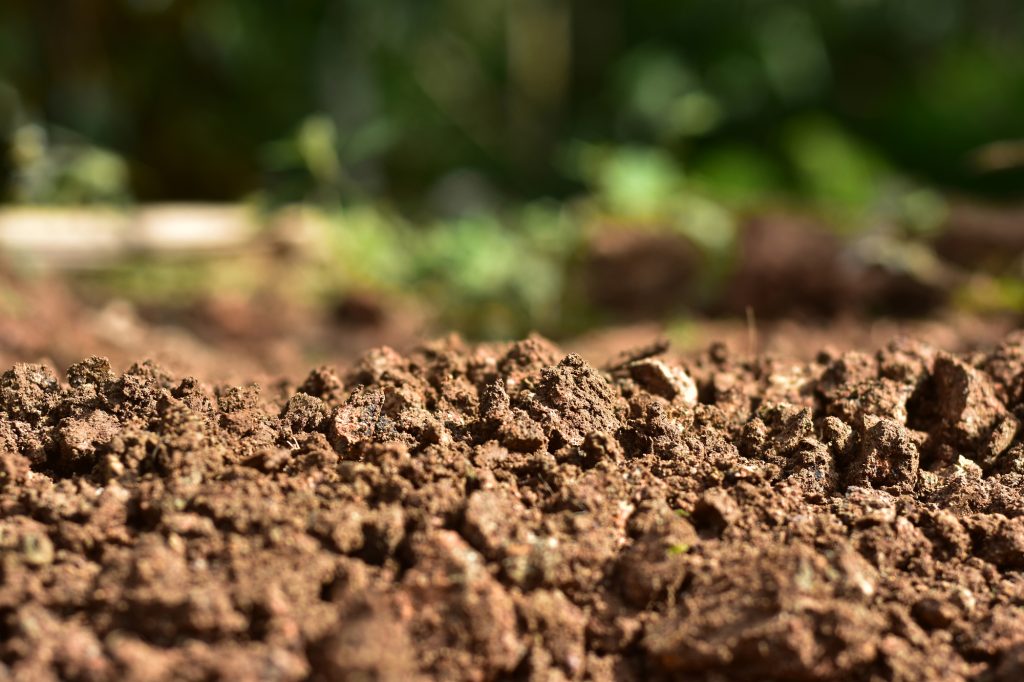
Sticking to one “perfect” soil blend for every plant isn’t always the best move. Sometimes mixing soil types can give your plants exactly what they need. For example, adding a little clay to sandy areas helps retain moisture, while mixing sand into heavy soil improves drainage. Don’t be afraid to experiment.
Ditch the Sprays, Let Nature Do Its Thing

You don’t need to reach for chemicals every time you see a pest. Many beneficial insects—like ladybugs and spiders—show up naturally when pests are around, helping to restore balance.
Related: Don’t You Dare Kill That Bug! 18 Insects That Help Your Garden Thrive
Rotate Your Plants Like a Farmer
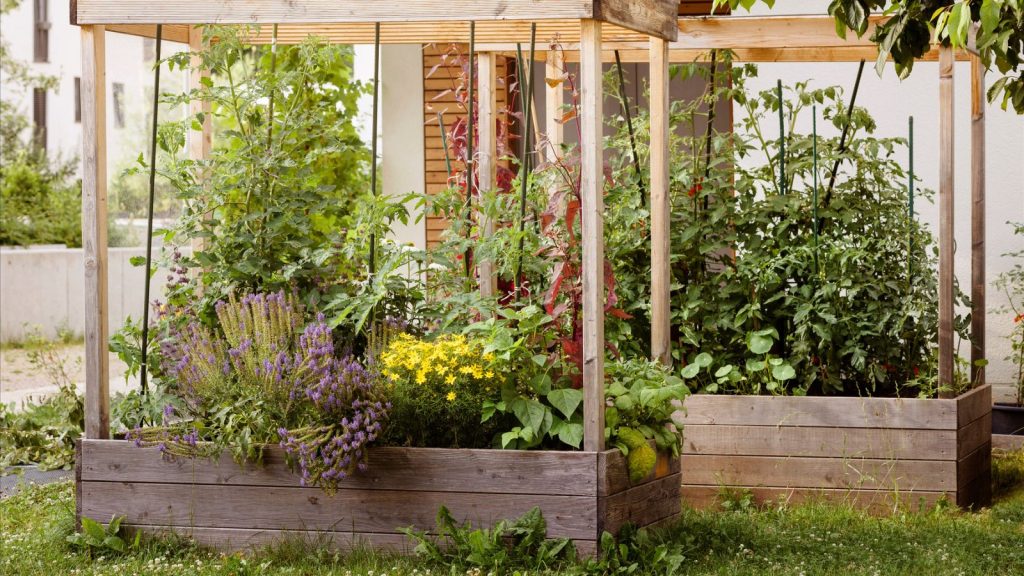
Crop rotation isn’t just for large-scale farms. Switching up your flower or vegetable placement every season can prevent soil depletion, reduce disease, and stop pests from settling in one spot. It’s a simple trick that can make a big difference over time.
Go Easy on the Pruning

We often think heavy pruning is the key to healthy plants, but overdoing it can cause stress—especially for younger plants. A lighter touch helps your garden grow more naturally. Trim just enough to remove dead or damaged parts, and let the rest do its thing.
Skip the Rake, Embrace the Mulch

Fallen leaves are often seen as mess, but they’re actually nature’s mulch. Leave some behind to break down into rich, organic matter. It feeds the soil, helps retain moisture, and protects plant roots. Less raking, more benefit.
Start with Plants You Love
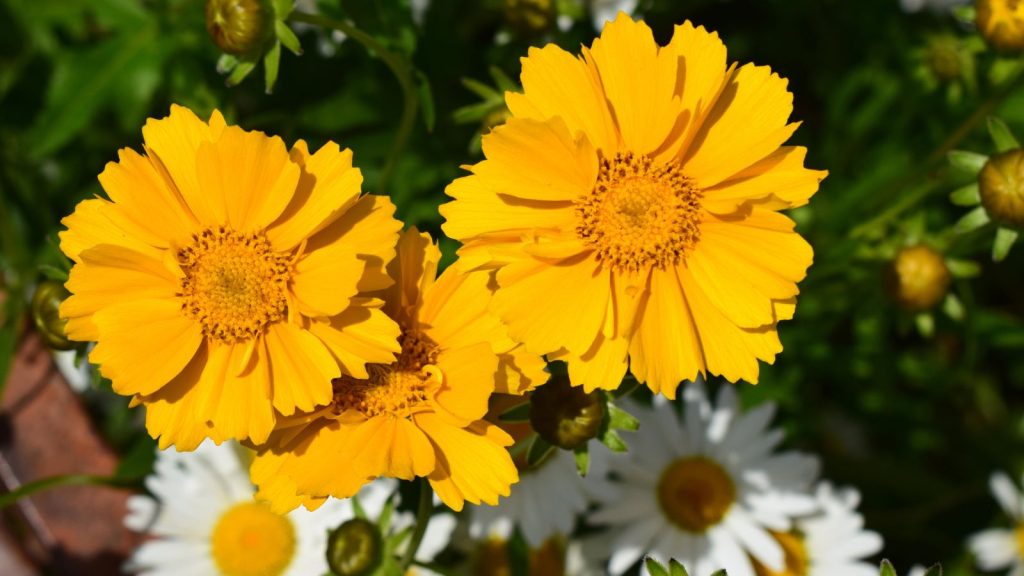
When you’re new to gardening, most advice tells you to stick with hardy, easy-care plants. That’s solid advice—but don’t be afraid to also grow something just because you love it. Whether it’s a finicky flower or a fragrant herb, growing what excites you will keep you coming back to the garden, even when it gets tough.
Enjoy Your Garden

Finally, don’t forget to take some time to enjoy the fruits of your labor! Gardening is about creating a space to relax, unwind, and connect with nature, so sit back and appreciate the colors, scents, and life in your garden.