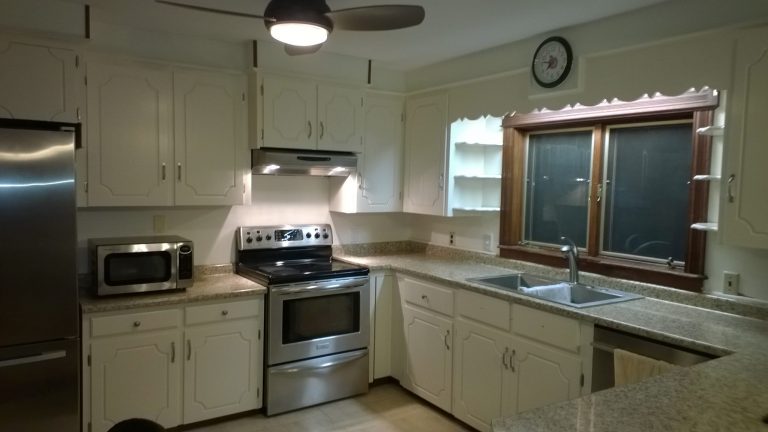
Making your home more eco-friendly might sound like a big task, but it’s really just about making small, smart choices that add up over time. These choices can help you use less energy, waste less water, and save money—all while creating a healthier space for your family.
You don’t need to change everything overnight. Even one or two small changes can make a big difference. Whether switching out light bulbs, cutting back on water use, or rethinking how you shop, there are simple steps anyone can take.
Start where you are, make one change at a time, and enjoy the benefits of a greener, more thoughtful home.
Switch to Energy-Efficient Appliances

Old appliances can be energy hogs. Replacing them with ENERGY STAR–certified models helps reduce your household energy use and saves money in the long run. From refrigerators to washing machines, energy-efficient options work just as well—sometimes better—while using less power.
Replace Old Bulbs with LEDs

Swapping out traditional bulbs for LED lights is one of the easiest ways to cut back on energy use. LEDs use up to 80% less electricity and last much longer, which means fewer replacements and lower costs over time.
Install a Smart Thermostat

A smart thermostat automatically adjusts your home’s temperature based on your schedule and habits. It keeps you comfortable while cutting down on unnecessary heating and cooling. The result? Lower energy bills and less energy waste—without lifting a finger.
Use Low-Flow Fixtures to Save Water

Installing low-flow showerheads, faucets, and toilets can significantly reduce your water usage without affecting performance. These fixtures are easy to install and help conserve water every time you wash, rinse, or flush—helping the planet while saving you money on utilities.
Choose Sustainable and Recycled Materials

If you’re renovating or building, consider using recycled or eco-friendly materials. Bamboo flooring, reclaimed wood, and recycled tile are just a few beautiful and sustainable options. These choices reduce the demand for new resources and support greener building practices.
Start a Compost Bin
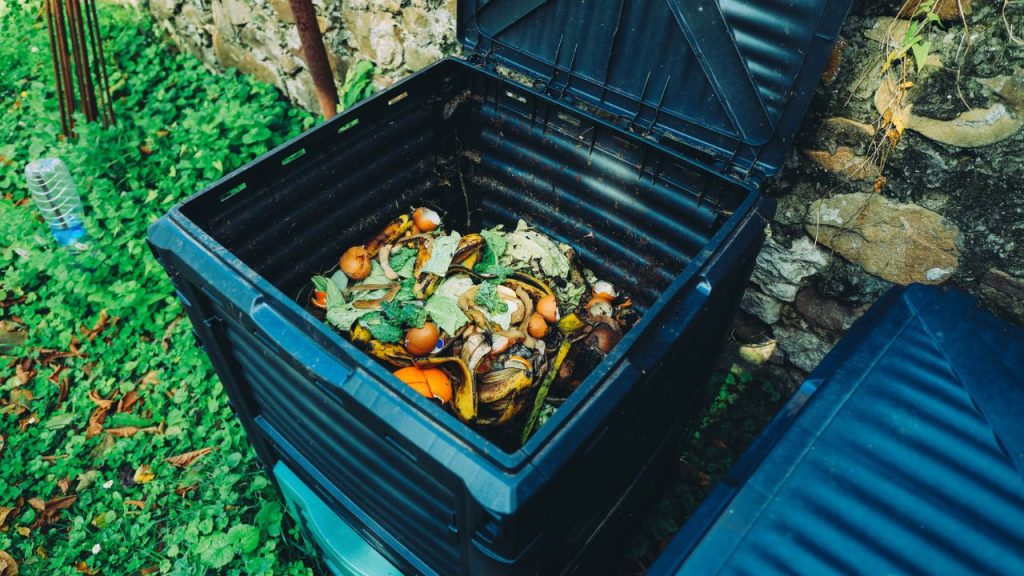
Composting turns kitchen scraps and yard waste into nutrient-rich soil. It’s a great way to cut down on what you send to the landfill while giving your garden a healthy boost.
Related: What is Compostable? All The Things You Can Compost
Install Solar Panels

Solar energy is a clean, renewable way to power your home. While the initial setup can be pricey, solar panels often pay off over time through lower electricity bills—and some areas offer tax credits or incentives. Using the sun’s energy helps reduce your carbon footprint and energy costs.
Related: How to get the Most out of your Solar Panels
Choose Eco-Friendly Cleaning Products

Many traditional cleaners contain harsh chemicals that can harm your health and the environment. Look for green cleaning products made with natural, biodegradable ingredients. They’re just as effective and much gentler on your home and the planet.
Related: How to Make Simple Homemade Cleaning Products
Upgrade Your Window Coverings

Energy-efficient window treatments like thermal curtains or cellular shades help regulate indoor temperatures. They keep heat out during the summer and hold warmth in during the winter, reducing the load on your HVAC system.
Embrace a Minimalist Lifestyle

Living with less can lead to more mindful choices. A minimalist approach means cutting down on clutter, buying only what you need, and choosing quality over quantity. It’s not just about having a tidy space—it’s also a way to reduce waste and live more intentionally.
28 Ways to Live Sustainably and Reduce Dependence on Retail and Grocery Stores

Here are some ways to live more independently and cultivate a truly self-reliant lifestyle.
28 Ways to Live Sustainably and Reduce Dependence on Retail and Grocery Stores