Dandelions are hardy plants that can grow just about anywhere, from manicured lawns to garden edges. While many people see them as weeds, dandelions actually offer a wide range of benefits—both for your garden and your health.
Whether you see them as a nuisance or a natural, beneficial flower really comes down to perspective. Here are several great reasons to stop uprooting dandelions and start embracing them instead.
The Entire Plant is Edible

From root to flower, every part of the dandelion is edible. Toss young leaves into salads, sauté them with other greens, or use the flowers in recipes like fritters or jelly.
24 Spring Salad Recipes That Are Anything But Boring
A Vital Food Source for Bees

Dandelions are among the first flowers to bloom in spring. They offer much-needed nectar and pollen for bees and other pollinators. Helping pollinators thrive also supports fruit and vegetable production in your garden.
How to get Started with Beekeeping
Attract Beneficial Insects

Beyond bees, dandelions bring in helpful insects like ladybugs and hoverflies—natural pest control allies that feed on aphids and other garden pests. If you’re growing vegetables, this is a natural way to reduce pest pressure.
Improves Soil Health

Dandelions have deep taproots that break up compacted soil and draw up nutrients like calcium and potassium. As the plant decomposes, it enriches the surrounding soil and can help prevent erosion by stabilizing the ground.
7 Natural Ways to Add Nitrogen to Your Garden Soil
Acts as Natural Mulch and Fertilizer

When dandelions die back, their leaves and roots return organic matter to the soil—naturally fertilizing your garden.
Makes an Excellent Tea

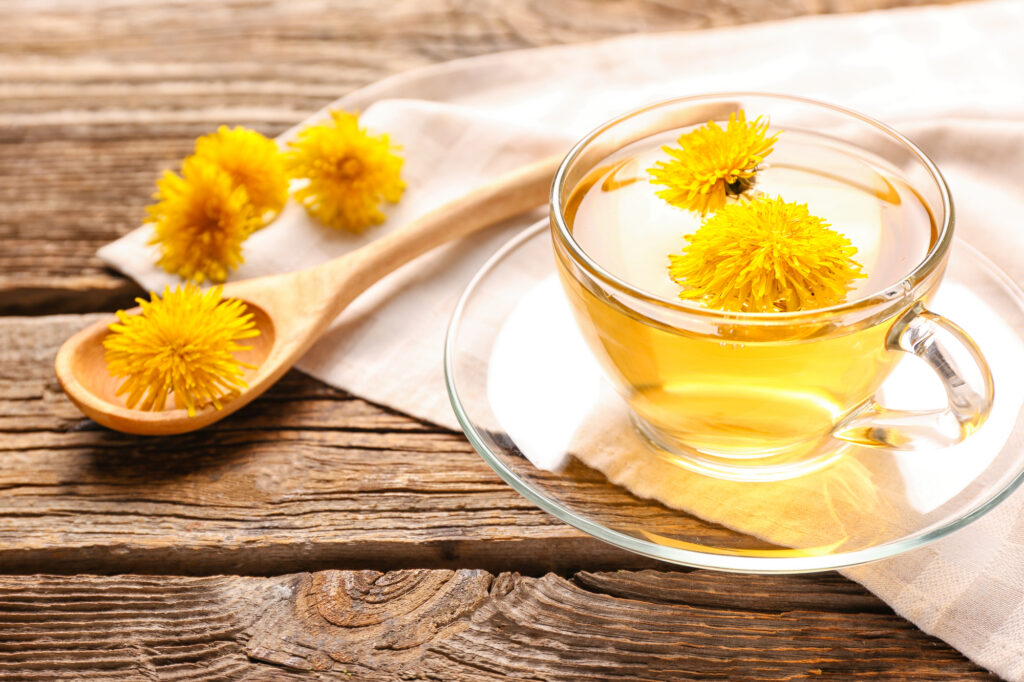
Dandelion tea is made from the flowers, leaves, or roots of the dandelion and is known to support digestion. It’s a simple way to enjoy the plant’s natural health benefits.
A Coffee Substitute

Roast and grind dandelion roots to make a caffeine-free coffee alternative. The flavor is earthy and slightly bitter, similar to coffee, and can be enhanced with milk or
Make a Healing Salve

Infused dandelion oil can be used in homemade salves to soothe dry skin, minor irritation, and even eczema. It’s a gentle, natural remedy for a variety of skin conditions.
Helps Relieve Pain and Inflammation
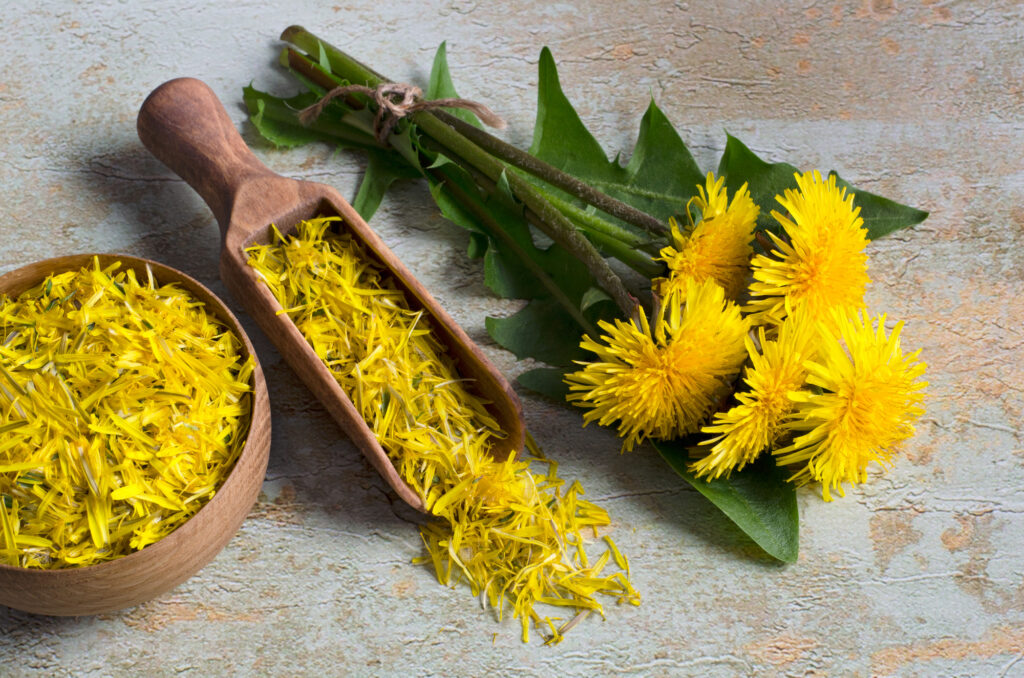
Topical use of dandelion—whether as a poultice or salve—can help reduce inflammation and ease muscle soreness. The milky sap is also traditionally used to treat warts.
Create a Homemade Tincture

Chop the whole plant and steep it in alcohol or vinegar to create a dandelion tincture. It’s believed to support liver health and help with natural detoxification.
Use as a Beautiful Garnish
Dandelion flowers make lovely edible garnishes for drinks and dishes. Their bright color adds a cheerful touch to spring and summer spreads.
Make Dandelion Wine
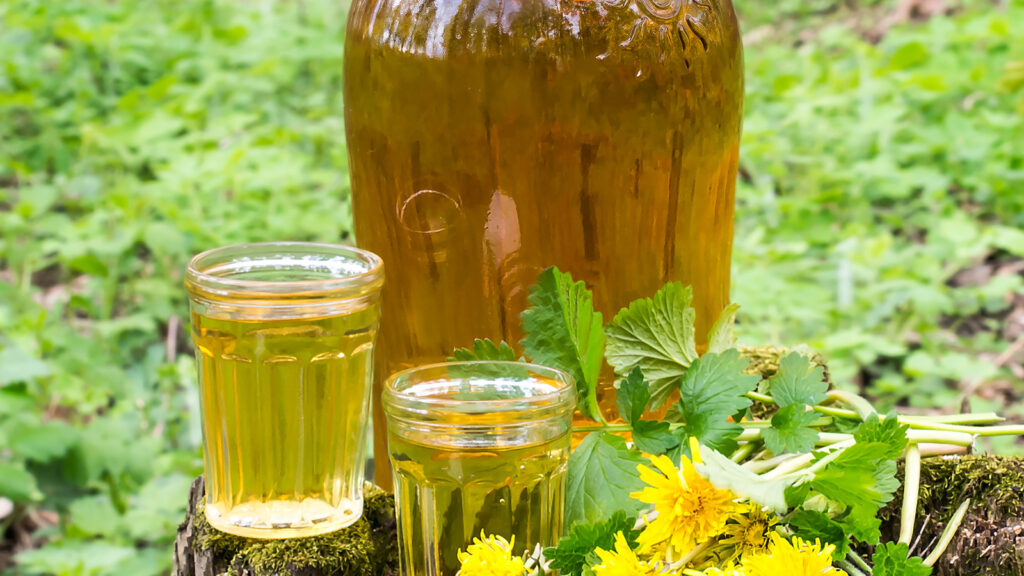
The yellow flowers can be fermented to make a light, sweet wine with a
Try Dandelion “Honey”

Simmer dandelion petals with sugar and water to create a syrup that tastes surprisingly similar to
Adds Cheerful Color to the Garden
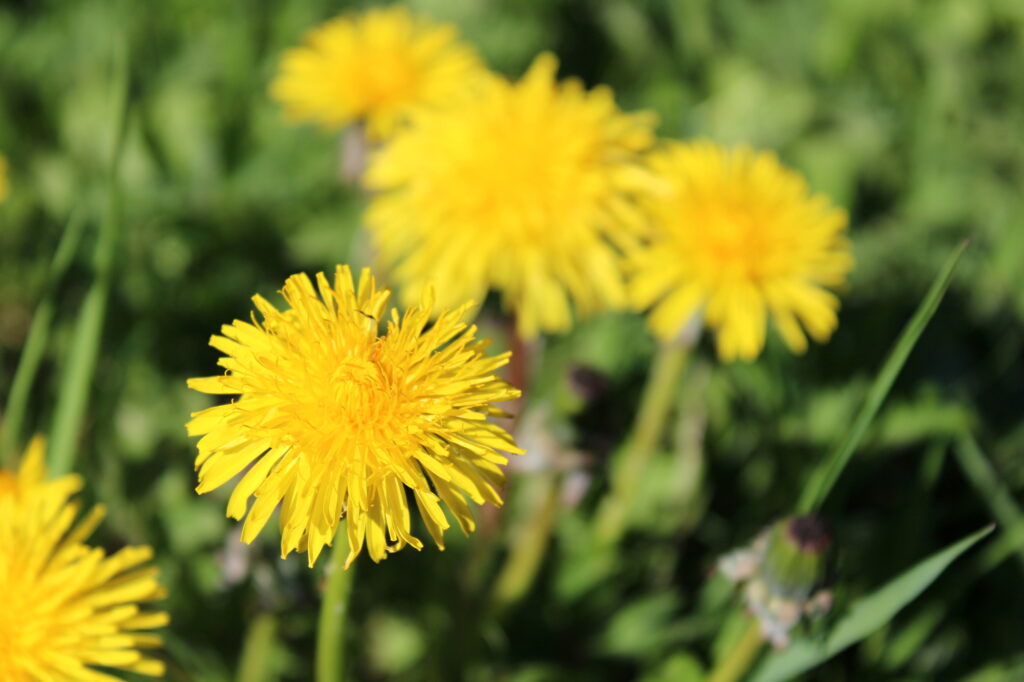
When in bloom, dandelions brighten up any yard with their sunny yellow flowers. They add color early in the season when few other plants are flowering.
Indicator of Good Soil Health
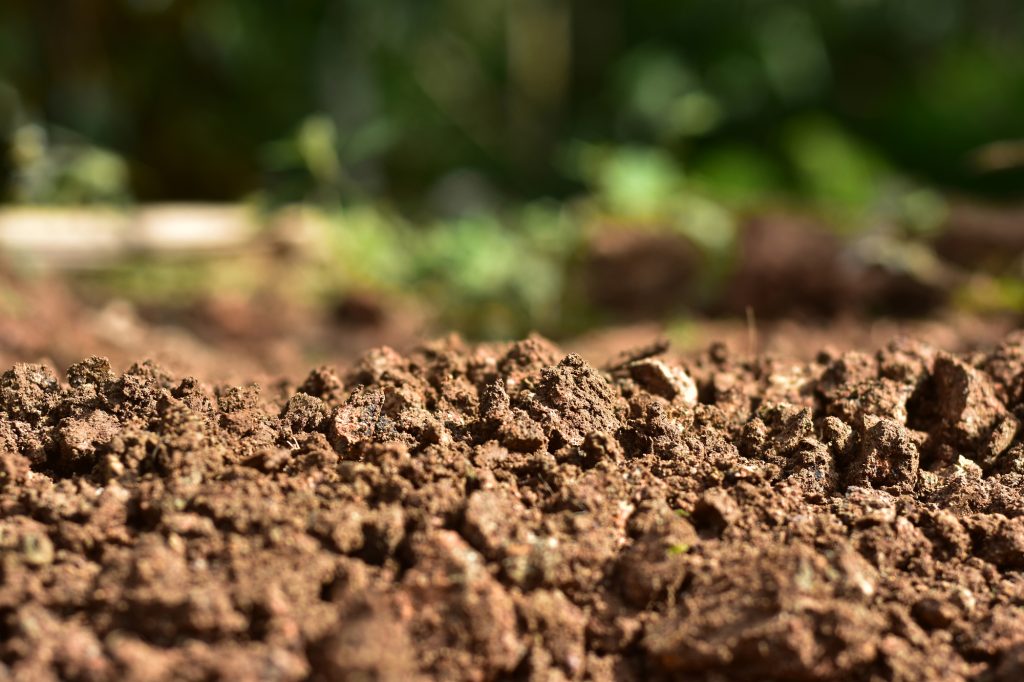
Dandelions often grow in poor, compacted, or low-calcium soils. Their presence can alert you to areas of your yard that need improvement—kind of like nature’s soil test.
They Crowd Out Worse Weeds

In some cases, letting dandelions grow can help suppress more aggressive invasive weeds. Their fast growth and dense foliage help fill in bare spots that unwanted species might otherwise overtake.
16 Gorgeous Wildflowers Perfect for Low Maintenance Gardens
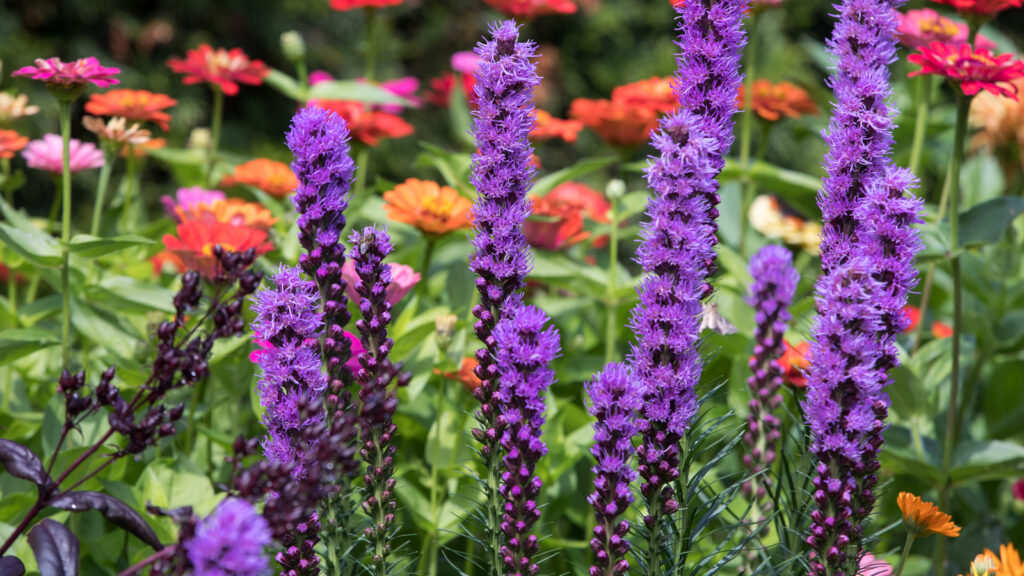
Starting a wildflower garden requires careful planning, especially if you want it to be low-maintenance. Choosing the right plants known for being easy to grow is crucial for success. Here are 16 gorgeous, easy-to-grow wildflowers perfect for creating a stunning, carefree garden.
16 Gorgeous Wildflowers Perfect for Low Maintenance Gardens
30 Native Plants That Will Draw Beautiful Birds to Your Yard

If you want to attract more birds to your garden, the right plant choices can make all the difference. Here are 16 native plants that will attract a variety of birds.
30 Native Plants That Will Draw Beautiful Birds to Your Yard
10 Reasons to Grow a Wildflower Garden

Besides their beauty, wildflowers provide numerous environmental benefits and are useful throughout the year, not just when they bloom. Here are ten reasons why you should grow a wildflower garden.
10 Reasons to Grow a Wildflower Garden
11 Reasons Why Wild Violets Deserve a Place in Your Garden

Wild violets are tough little plants that can grow just about anywhere. While some consider them annoying weeds, their distinctive purple-blue flowers and heart-shaped leaves actually offer surprising benefits. Here are a few reasons to reconsider uprooting wild violets.