
We’ve all had those weeks where fresh fruits and vegetables end up forgotten in the fridge, only to be tossed later. The good news? With a few simple strategies, you can make the most of your fresh food and reduce waste.
By building habits like proper storage, creative meal planning, and repurposing overripe produce, you can enjoy your fresh produce while saving money. These 16 tips will help you eat every bit of your produce before it goes bad.
Freeze Excess Produce
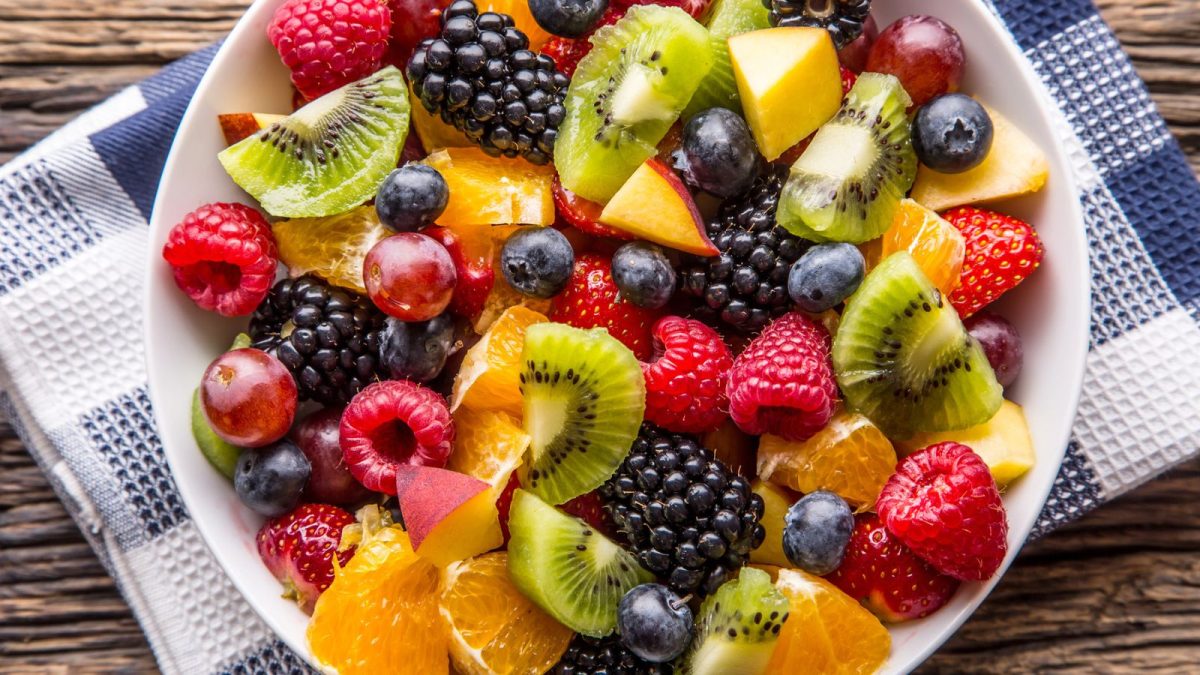
If you can’t use up produce before it spoils, freeze it. Berries, chopped veggies, and even leafy greens can be stored for later use in smoothies, soups, or stir-fries.
Store Produce Properly

Different types of produce require specific storage methods to stay fresh longer. For example:
- Keep tomatoes and avocados at room temperature until they ripen.
- Leafy greens do best wrapped in a damp paper towel and stored in the refrigerator’s crisper drawer.
- Berries should be placed in a breathable container lined with paper towels to absorb excess moisture.
- Broccoli and cauliflower can be stored in loosely tied plastic bags
- Herbs last longer when their stems are trimmed and placed in a glass of water, just like a bouquet.
Following these tips will help you make the most of your fresh produce and reduce waste.
Plan Your Meals
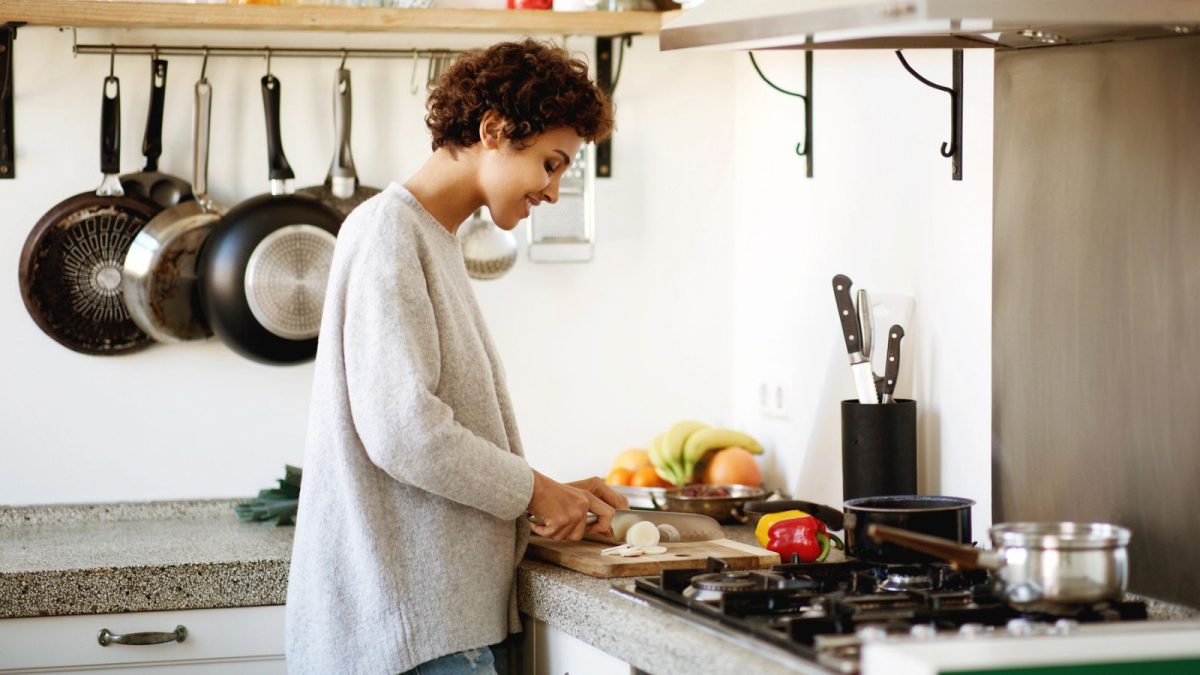
Impulse purchases often lead to excess produce and food waste. Plan your meals to buy only the produce you can use while promoting sustainability and ensuring unavoidable waste is managed responsibly.
Make a Shopping List
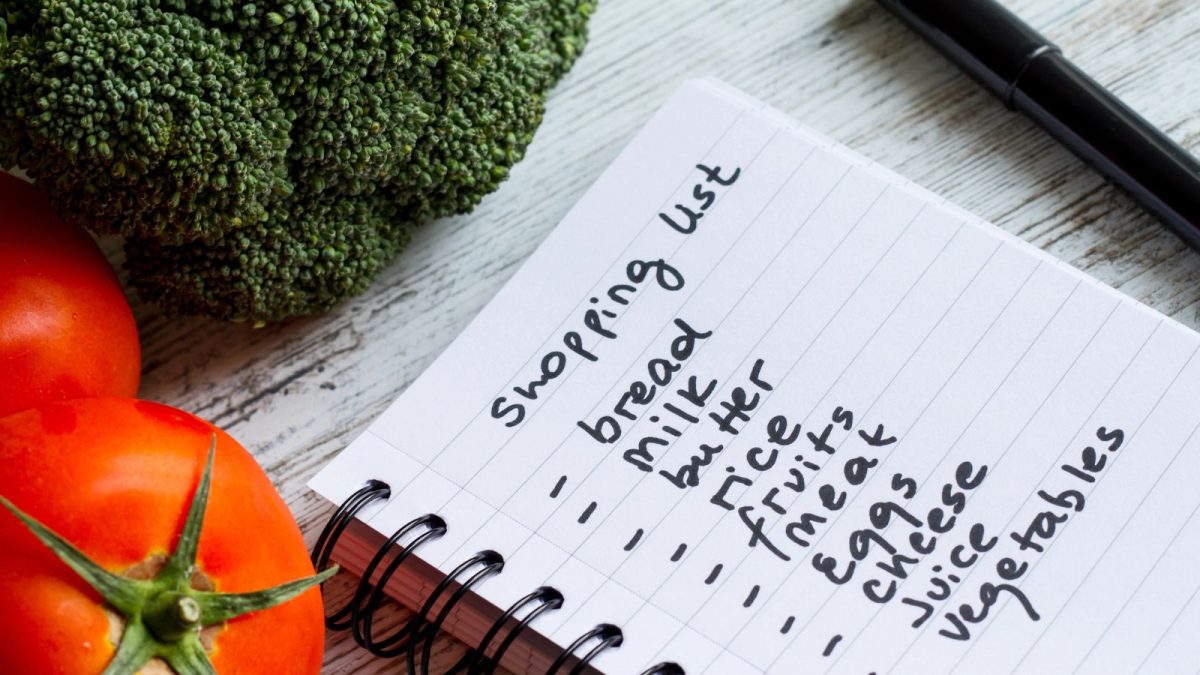
Creating a shopping list encourages checking your pantry, refrigerator, and freezer first, using items you already have. Remember, besides making a shopping list, you should also stick to it.
Embrace the “First In, First Out” Rule

Organize your kitchen so older items are at the front, always visible. In this way, you are more likely to use them before they spoil.
Don’t Wash Produce Before Storing
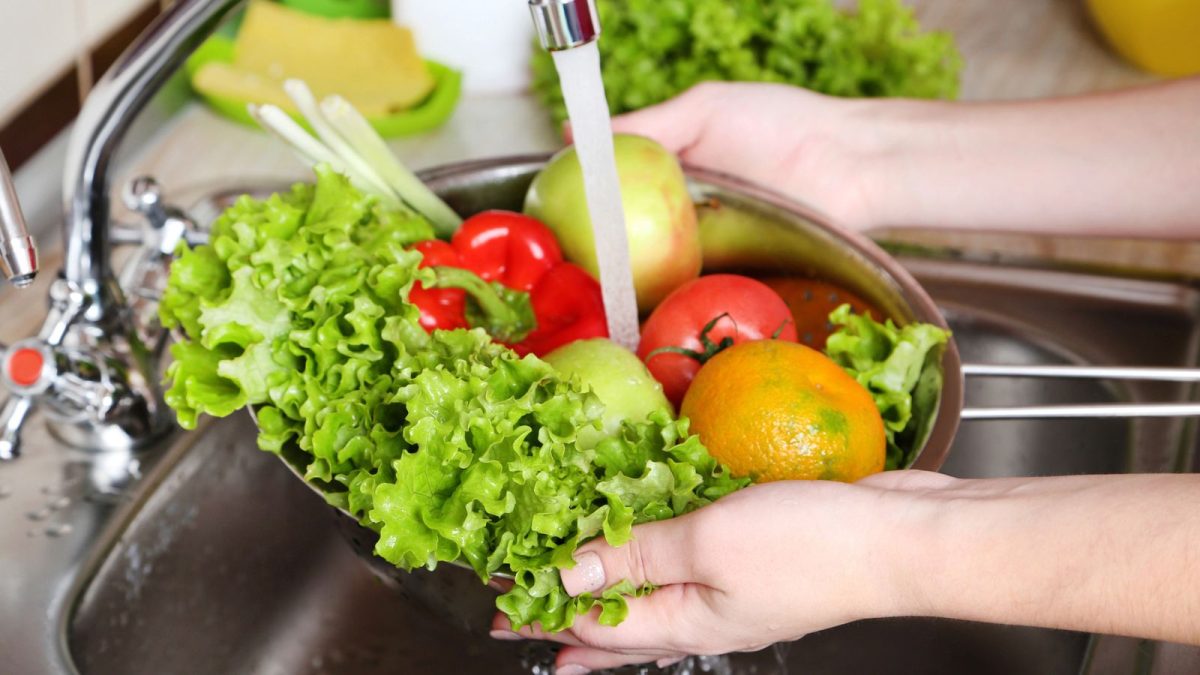
Washing produce immediately when you bring it home can shorten its shelf life. Thus, store unwashed produce until you’re ready to eat it.
Make Pickles
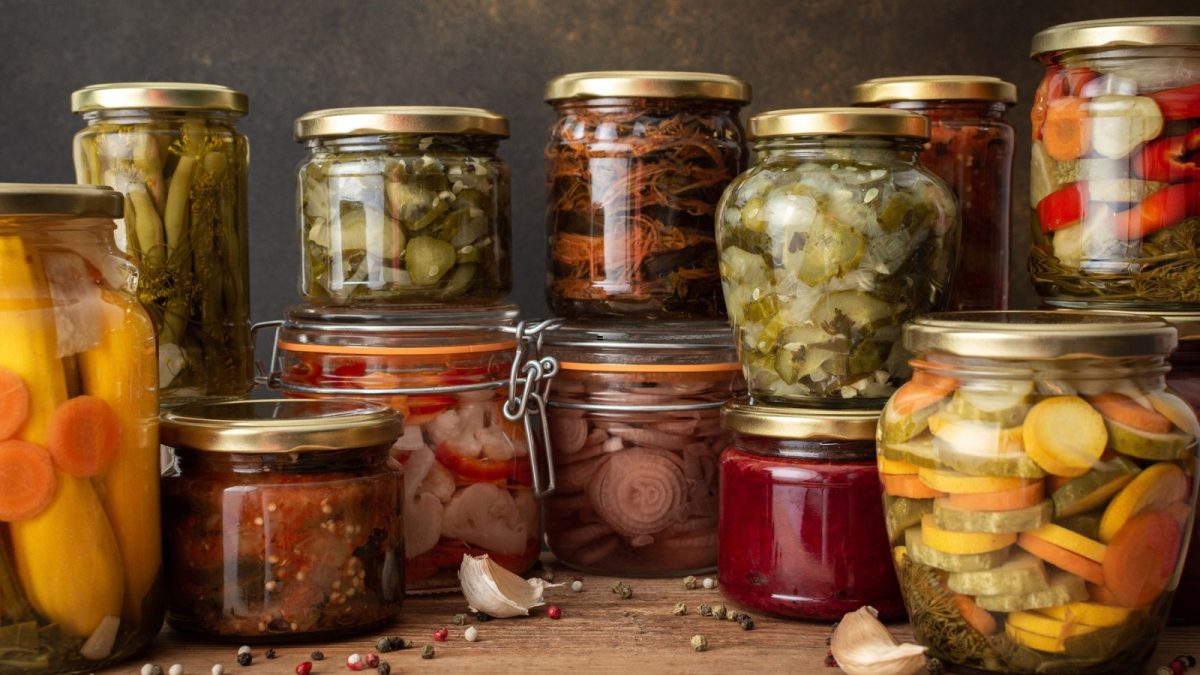
You can use
Turn Them into a Soup
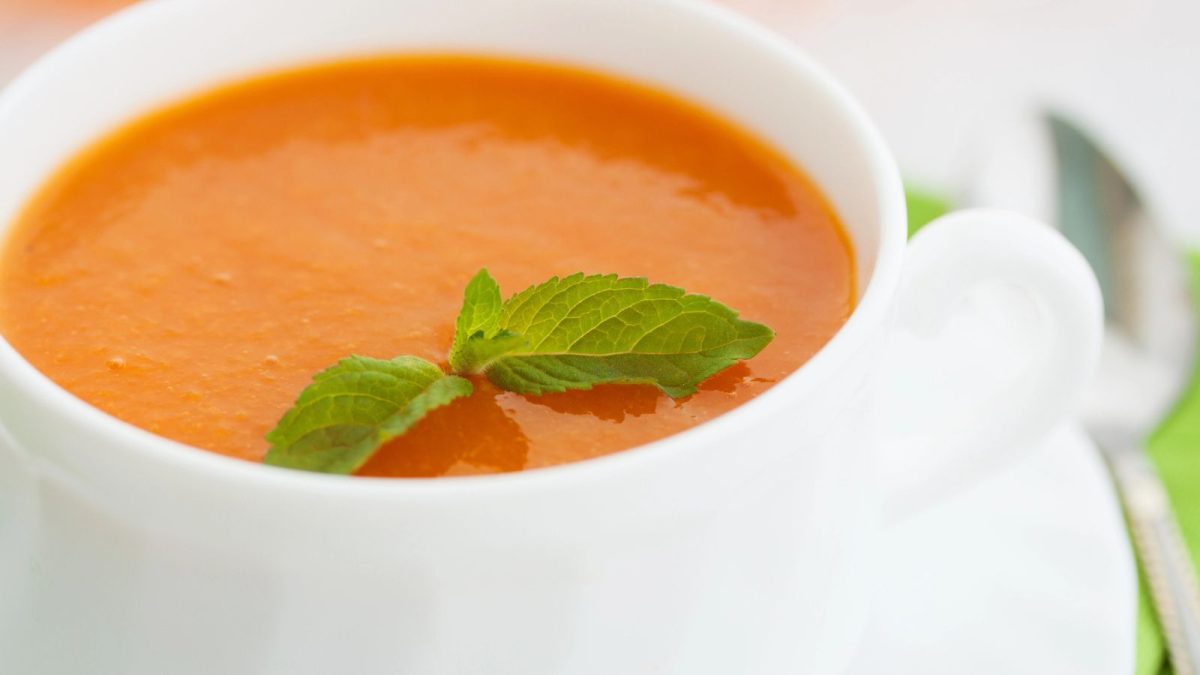
Overripe produce is perfect for meal prep. You can make a flavorful and nutritious soup, pottage, or broth. Cook them in a large pot with herbs and spices to save time during busy weeknights.
Experiment with Leftovers
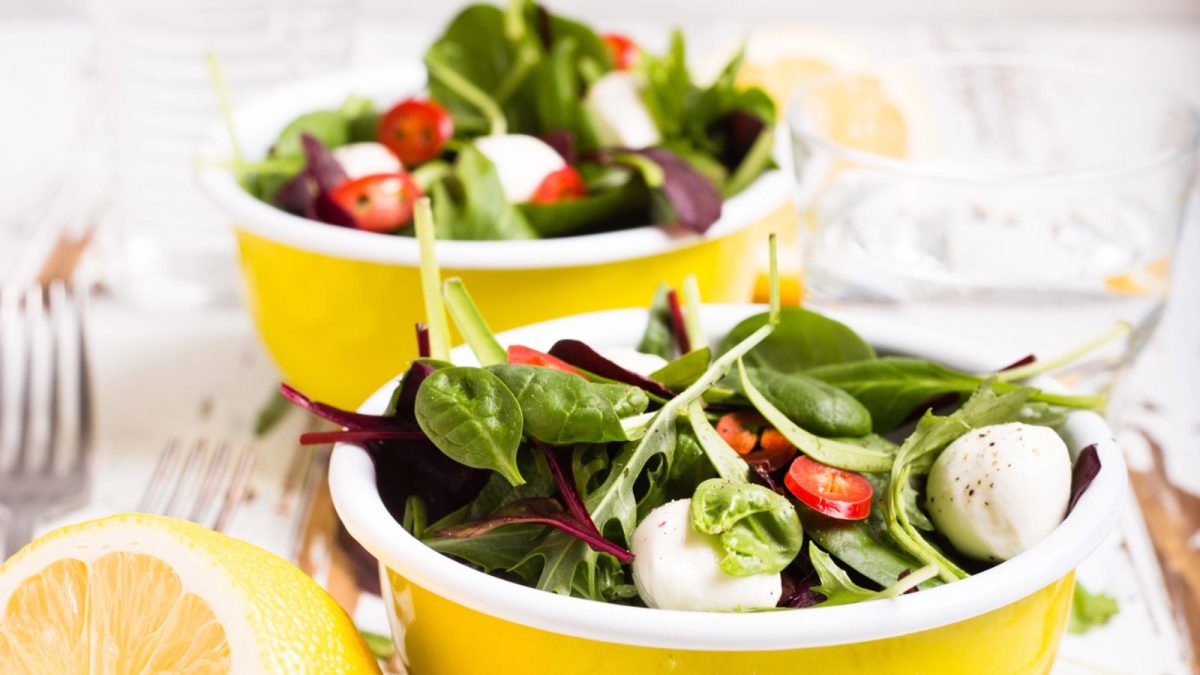
Turn leftover produce into salads, stir-fries, and frittatas. Get creative with what you have on hand rather than letting it spoil.
Compost Veggie and Fruit Scraps

If produce goes bad, compost it instead of throwing it in the trash can. This organic material can be used as fertilizer to feed plants and enrich the soil. Almost all fresh produce can be composted, helping make consumption more sustainable!
Get Familiar with the Ethylene Effect

Fruits, such as bananas and apples, emit ethylene gas, which can speed up the ripening of nearby produce. Thus, store ethylene-sensitive produce separately to extend its shelf life.
Create a “Use-It-Up” Bin

Dedicate a part of your pantry or refrigerator for produce that needs to be used as soon as possible. This trick will help you prioritize which items are overripe and should be eaten first.
Add them to quick meals such as omelets, stir-fries, and salads. You can also add them to stews and casseroles where their flavor won’t be the main focus.
Inspect Produce Regularly

Check your produce a few times a week so you can use it before it goes bad. Discard moldy or rotten parts and use the rest, or freeze it for later.
Invest in Produce-Saving Products

Products such as reusable produce bags, airtight containers, or ethylene-absorbing liners for crisper drawers can extend the shelf life of your produce. Ethylene gas absorbers, such as fridge filters, can help neutralize this gas, allowing produce to last longer.
Blend, Puree, and Pulse

Overripe fruits and veggies are still nutritious and flavorful, making them perfect for purées, smoothies, and juices. For instance, when bananas are too soft to eat fresh, turn them into banana bread.
Use overripe avocado for guacamole, unused tomatoes for homemade tomato purée, and so forth.
Embrace Imperfection
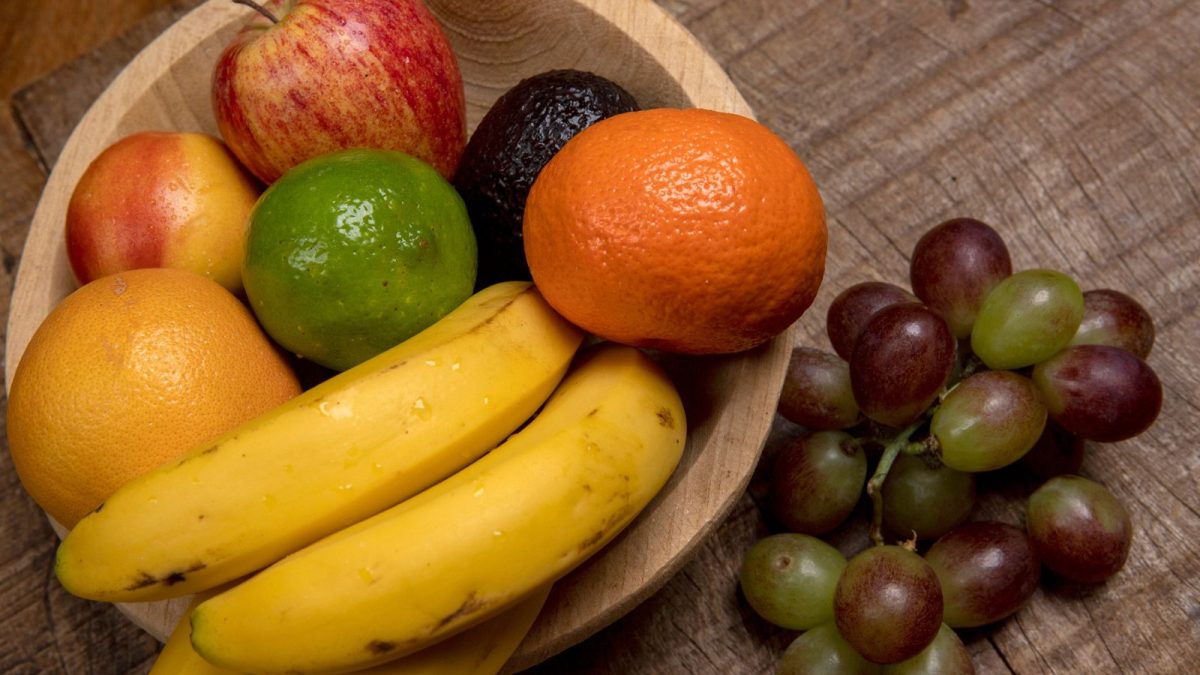
Blemishes, odd shapes, or slight discoloration usually don’t affect the taste or quality of produce. Don’t discard them just because they do not look perfect. “Ugly” fruits and veggies are still delicious and nutritious, reducing waste and supporting sustainability.