

Japanese beetles (Popillia japonica) are invasive pests that can seriously damage gardens and crops. They feed on the leaves, flowers, and fruit of many plants, and their larvae harm lawns by eating the grass roots.
Though they’re sometimes confused with ladybugs, Japanese beetles have distinct features. They’re about half an inch (12 mm) long, with shiny metallic green bodies and copper-colored wing covers. You’ll also notice small white tufts of hair along the sides and back of their abdomen.
Damage from Japanese beetles is easy to recognize. Leaves often look “skeletonized,” with only veins remaining, flowers have ragged, chewed petals, and fruits may show holes or scars. In lawns, brown or dead patches usually mean larvae are feeding on grass roots.
If Japanese beetles are troubling your garden, try one of these natural ways to get rid of them.
Handpick Them

If small numbers of Japanese beetles are present, the quickest and most effective way to remove them is to pick each one off by hand and drop it into a bucket of soapy water to kill it.
The beetles appear from late spring onwards, so make a regular plant inspection part of your daily routine to stop this garden menace in its tracks.
Try Companion Planting
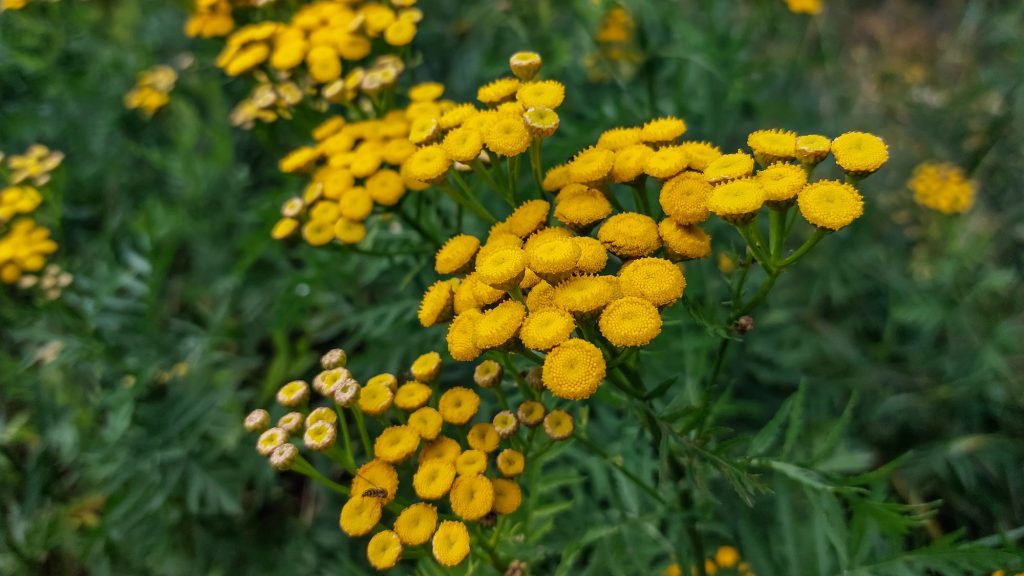
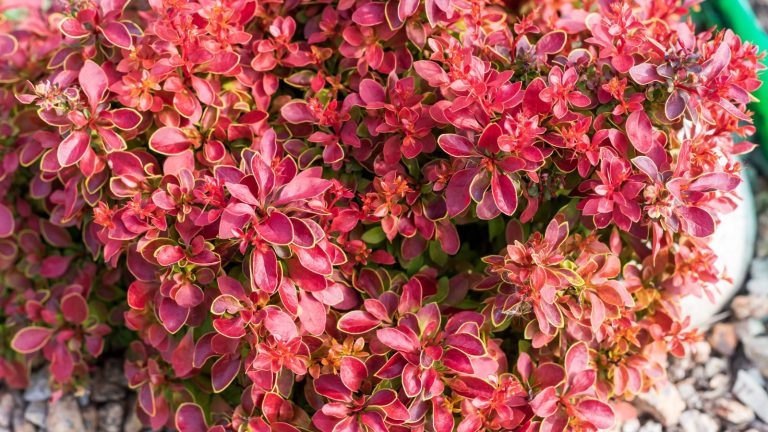
Some plant species, such as
Incorporate Trap Crops

Certain plants, including borage, white geraniums, evening primroses, and zinnias, are highly attractive to Japanese beetles and will draw them in large numbers. Grow a patch of sacrificial plants to lure Japanese beetles away from other crops; the beetles can then be collected and killed.
Neem Oil

Neem oil kills adult Japanese beetles, their larvae, and eggs. Use it as a targeted spray in problem areas where Japanese beetles have been seed-feeding. Avoid widespread spraying of neem oil, as it can also harm beneficial insects.
Garlic Spray
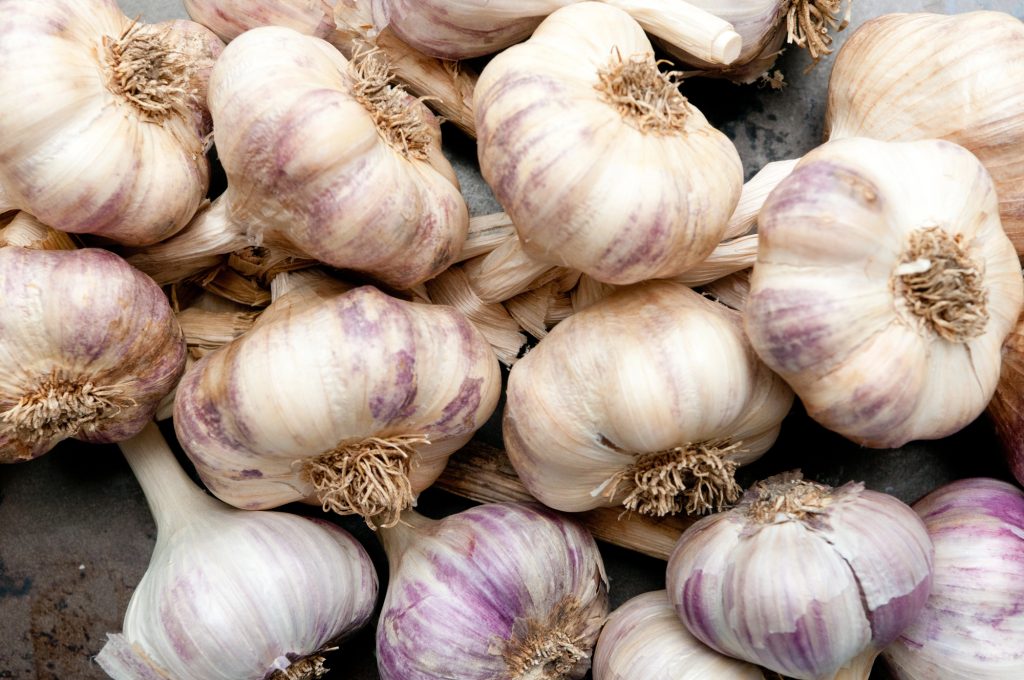
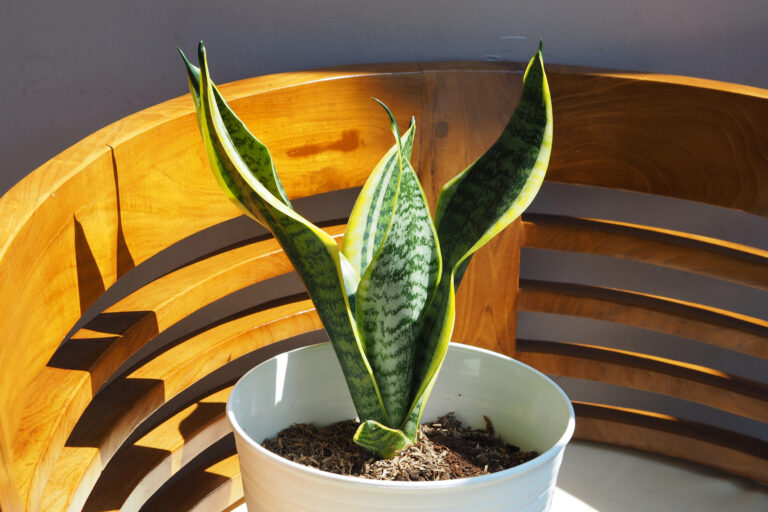
The smell of
Grow Resistant Plant Varieties

To reduce the amount of Japanese beetle control, you need to grow plants such as boxwood or holly that are less attractive to Japanese beetles.
Attract Natural Predators

Plant nectar-rich flowers to encourage beneficial insects like tachinid flies and parasitic wasps, which prey on Japanese beetles. Alyssum, cilantro,
Insecticidal Soap

Insecticidal soap only works on contact and has no residual activity, so it must be sprayed directly onto every Japanese beetle you spot. When used carefully, this method is non-toxic to other beneficial insects.
Attract Birds
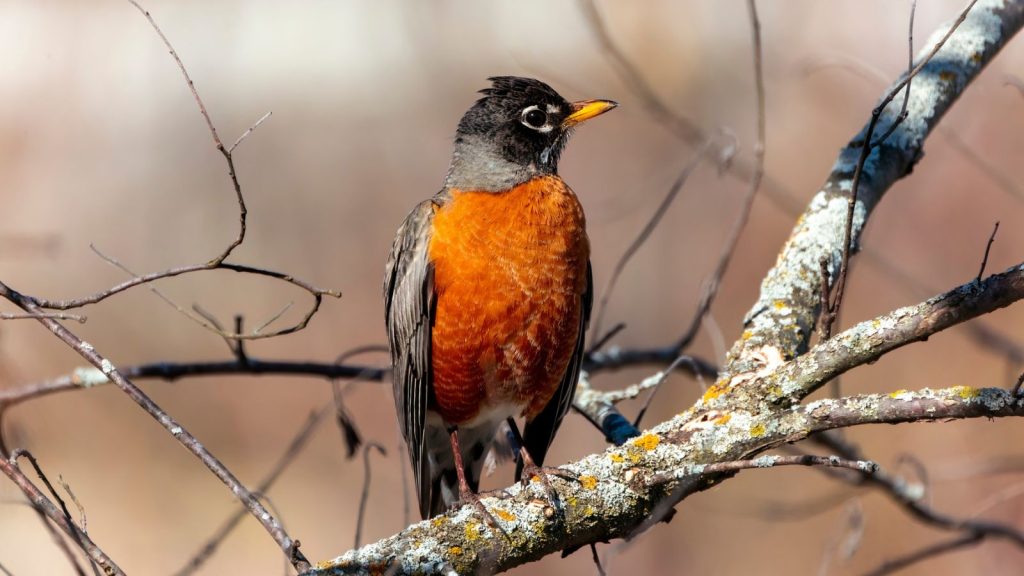
Install birdhouses to attract birds such as robins and cardinals that feed on Japanese beetles. Robins prefer a secluded nesting area, such as a dense hedge, where they can raise their young without being disturbed.
How to Attract Hummingbirds to Your Garden
Prune Infested Branches

Damaged leaves give off chemical signals that attract even more Japanese beetles to your garden. Regularly inspect plants and crops and carefully prune away any damaged leaves or branches.
Row Covers

When the larvae turn into adult Japanese beetles, they quickly fly to their preferred feeding sites. To minimize damage, protect vegetable crops with horticultural fleece or fine mesh row covers.
Kaolin Clay

Kaolin clay forms a thin barrier that prevents Japanese beetles from feeding on leaves. This is available in a spray that is simple to apply and gives instant results when used in areas prone to Japanese beetle infestations.
Essential Oils

Essential oils like peppermint, wintergreen, or
Watering Control

Japanese beetle grubs thrive in moist soil. Reducing moisture levels can help limit their development. To reduce Japanese beetle populations, switch to drought-tolerant plants and grasses and keep watering to a minimum.
How to Water Your Garden The Right Way
Bacillus thuringiensis

Bacillus thuringiensis is a biological insecticide that targets Japanese beetle grubs in lawns and gardens. Although highly effective, certain strains of
8 Sneaky Animals That Are Secretly Destroying Your Lawn and Garden

Many pests can quietly cause significant damage if not controlled. It’s important to stay on top of these threats to keep your outdoor space looking its best. Here are seven sneaky pests to keep a close eye on.
8 Sneaky Pests That Are Secretly Destroying Your Lawn and Garden
12 Natural Ways to Get Rid of Weeds in Your Garden

While we may tolerate certain weeds like dandelions, most gardeners aim to remove these undesired plants from their gardens—for good. To help you get rid of weeds in your garden, here are 12 natural methods to consider.
12 Natural Ways to Get Rid of Weeds in Your Garden
Weird Holes Showing Up in Your Lawn? Here’s What’s Causing Them
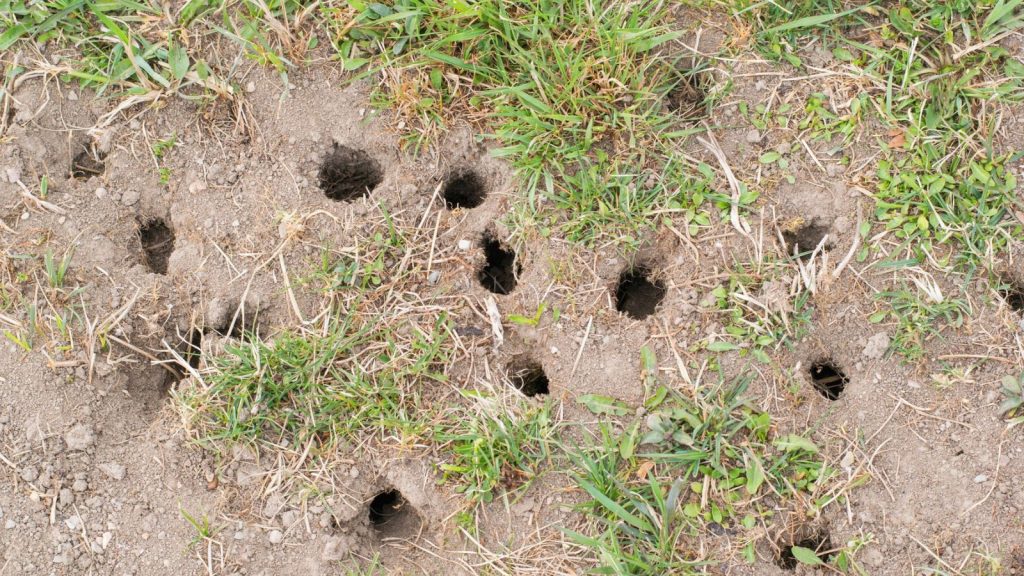
Holes in your yard might seem like a small nuisance at first, but they can signal a bigger issue—especially if something is tunneling around beneath the surface.
Weird Holes Showing Up in Your Lawn? Here’s What’s Causing Them