
Incorporating native plants into your garden is a simple yet impactful way to create a thriving, low-maintenance landscape that bursts with life. These resilient plants have adapted to local climates, requiring minimal watering and upkeep while providing essential food and shelter for wildlife. Whether you live near the coast, in arid deserts, or among rolling hills and forests, native plants naturally flourish in their surroundings.
If you want to attract more birds to your garden, the right plant choices can make all the difference. Here are 30 native plants that will attract a variety of birds.
Morning glory

Morning glory is a fast-growing climbing vine that can grow up to 10 feet tall and wide in a short time. It produces pinkish-white flowers that darken to deep shades of
Pacific Pea

Pacific pea is an evergreen vine that grows well in damp forests and woodlands. Its flowers range from bright violet to pale purple or white. This fast-growing vine usually climbs on trellises and fences, growing up to 8 feet tall. It prefers sand or clay loam soils with good drainage, infrequent watering, and full sunlight exposure in USDA hardiness zones 8 to 10.
Blanket Flower

Ideal for zones 3 to 10,
Agastache

Agastache is a favorite among bees, hummingbirds, and butterflies. It features tall spikes of fragrant purple, pink, and orange flowers. Agastache requires full sun and well-drained soil. This plant is fairly pest-free and will bloom through the summer.
Milkweed
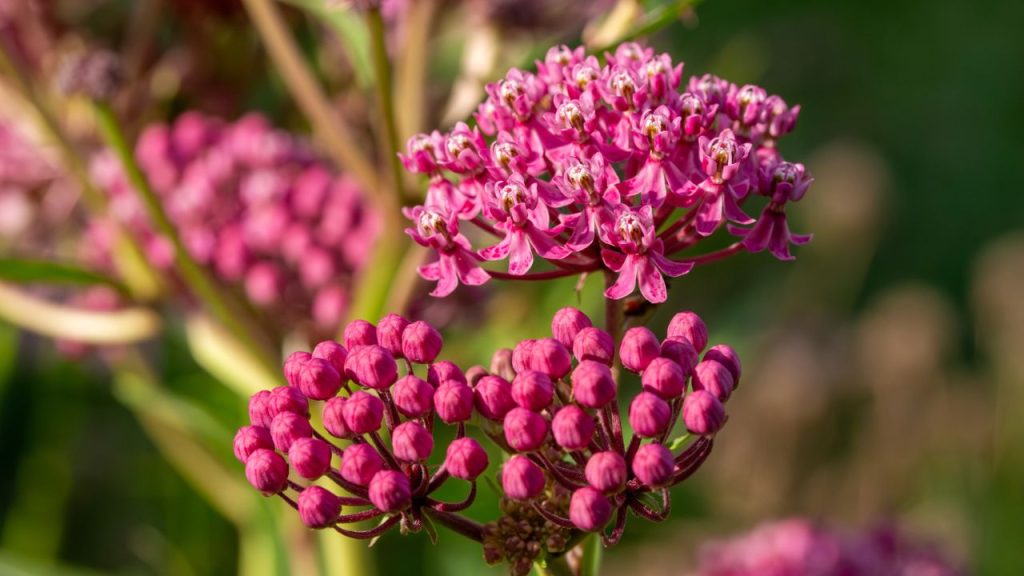
A perennial, drought-resistant flower with thick, white, hairy stems that enhance garden aesthetics. It blooms in the spring and summer, producing flowers in shades of lilac, white, bright pink, and
Aster
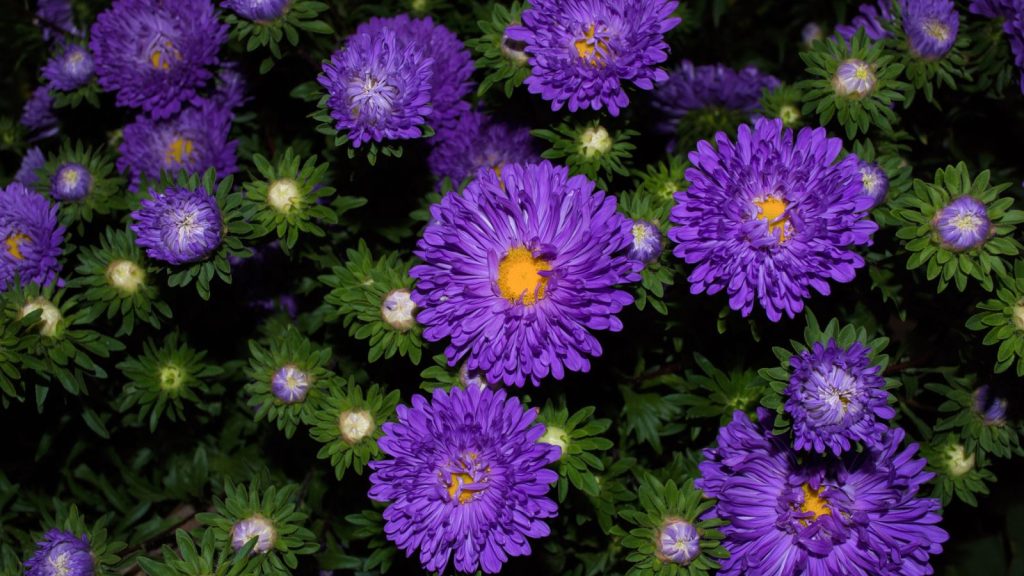
Asters are available in various shades of purple, pink, and yellow. These flowers attract pollinators and are perfect for fall gardens.
Echinacea (Purple Coneflower )

Also known as
Columbine

Columbine is a perennial with bright flowers contrasting against dark, clover-shaped leaves. Available in various colors, including two-tone, its unique bell-shaped flowers with five spurs catch the eye. This sun-loving perennial is Ideal for slopes, ledges, or open garden spaces. Columbine adds beauty, attracts wildlife, and deters deer. Zones 3-9
Sneezeweed

Its bright, daisy-like flowers bloom in late summer and fall, bringing vibrant yellow, red, and bronze hues to sunny gardens. These flowers are perfect for cutting and arranging. Despite its name, it does not trigger sneezing or allergies. Zone 3-10
Bee Balm
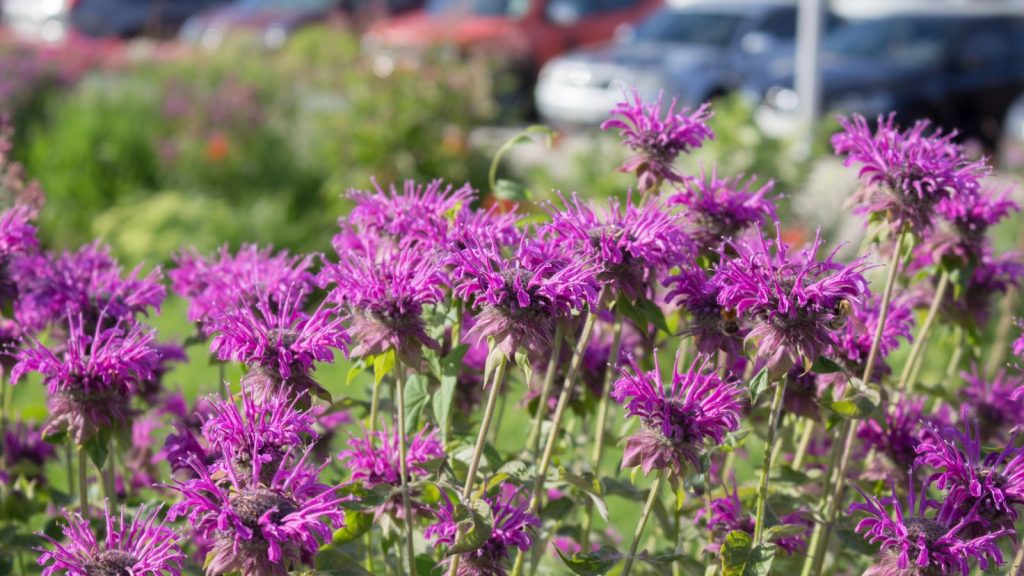
Bee balm is a win-win plant; it keeps mosquitoes at bay and attracts butterflies, bees, and even hummingbirds.
Common Yarrow

Known as the nosebleed plant or devil’s nettle, this
Goldenrod (Solidago spp.)
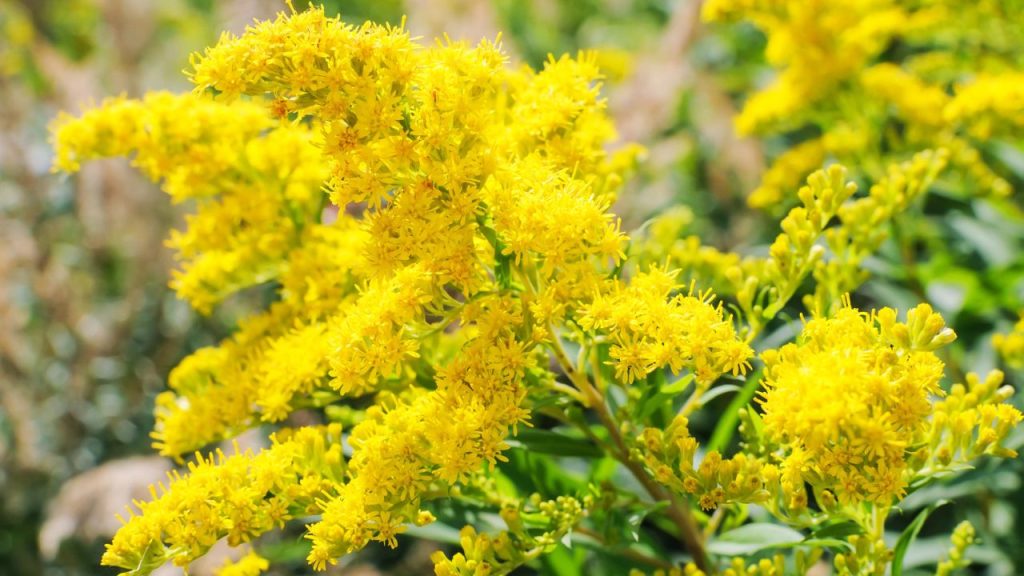
Goldenrod is a plant that blooms in late summer, with tall spikes of small, bright yellow flowers. It does best in conditions ranging from full sun to partial shade. The vivid yellow flowers of
California Fuchsia

This low-growing, fire-resistant perennial features trumpet-shaped flowers and blooms in the summer. It’s known for attracting hummingbirds and prefers full sun and sandy, clay, or serpentine soils. It grows up to 2 feet tall and 3 feet wide and is ideal for zones 8-11.
Blue-eyed grass

This perennial produces blue to purple flowers. It requires supplemental watering in the summer to prevent dormancy. It is low-maintenance, tolerates various soil types, and prefers full sunlight to partial shade. It reaches up to 2 feet, 3 inches in height and is suitable for USDA zones 4 to 9.
Beardtongue

Also known as Penstemon, this plant produces showy, long-lasting flowers with distinctive pollen-free stamens. It thrives in poor, rocky soils with good drainage and full sun and requires weekly watering in the summer. It can grow up to 4 feet high, and USDA hardiness zones range between 3 and 9.
California Poppy
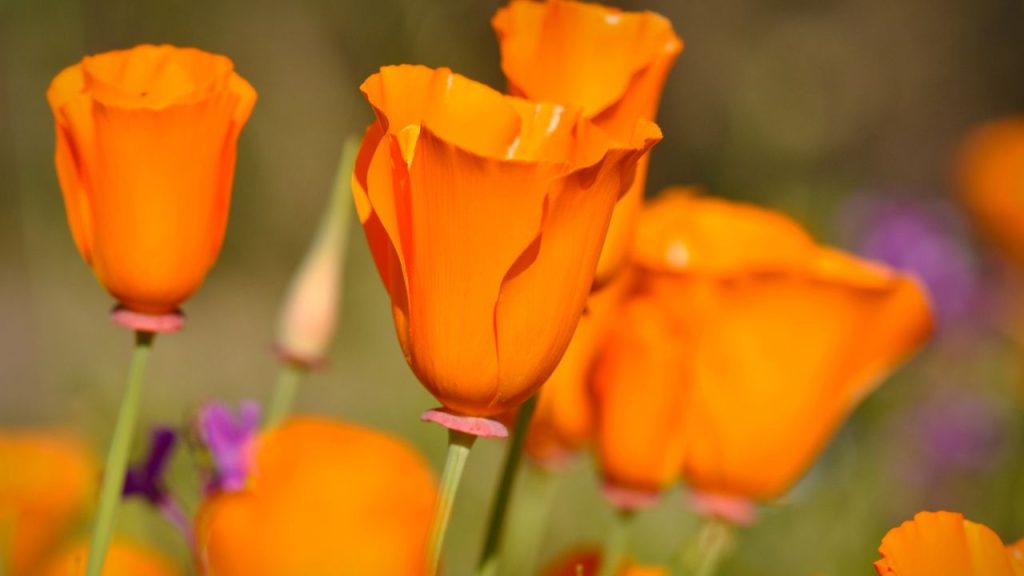
This brightly colored perennial flower is loved for its orange, yellow, and golden blossoms. It is low-maintenance and does not require fertilizer application. It is drought-tolerant, prefers full sunlight and well-draining, sandy soils, and matures to 18 inches tall and 24 inches wide. USDA hardiness zones range from 8 to 10.
Island Alum Root

Also known as Jill-of-the-roots, it has tiny pink flowers that usually bloom in spring. It prefers full sunlight, requires low maintenance, and prefers well-draining, sandy soils. It is a perennial flower that grows up to 2 feet tall and requires infrequent watering, unless in summer. Zones 8 to 11.
Salvia

Salvia is highly tolerant of drought and heat. It produces narrow flower spikes in shades of pink, red, white, blue, and purple. It attracts insect pollinators to your garden and thrives in hot, dry climates. It thrives in full sun and well-draining, slightly acidic soils. It can mature up to 5 feet tall. Zones 7 to 11.
Mountain Violet

Despite its name, this drought-tolerant perennial produces bright yellow flowers in spring. It does well under full sun and in sandy or silty soils. It grows up to 12 inches tall in USDA zones 6 to 9.
Baby Blue Eyes

Baby Blue Eyes is a low-growing, blue-flowered plant that spreads and has succulent stems. It is drought-resistant, prefers full sun, and grows in sandy or loam soils. It can reach up to 6 inches tall and 12 inches wide and is suitable for USDA zones 7-10.
Squaw Carpet

An evergreen ground cover with a purple-blue hue, this perennial prefers full sunlight and moderate watering, with increased watering in summer. It thrives in well-drained loam or sandy soils and grows up to 6 inches high and 8 inches wide, suitable for USDA zones 6 to 9.
Black-Eyed Susan

With their striking yellow flowers, Black-Eyed Susans are excellent at attracting butterflies. These hardy, sun-loving plants can thrive in various conditions. They are relatively pest-free, blooming in midsummer until hard frost. Use this beautiful plant as a border or ground cover in sunny spots, or in large groups in the flower or vegetable garden. Zones 3-9
Tickseed (Coreopsis)
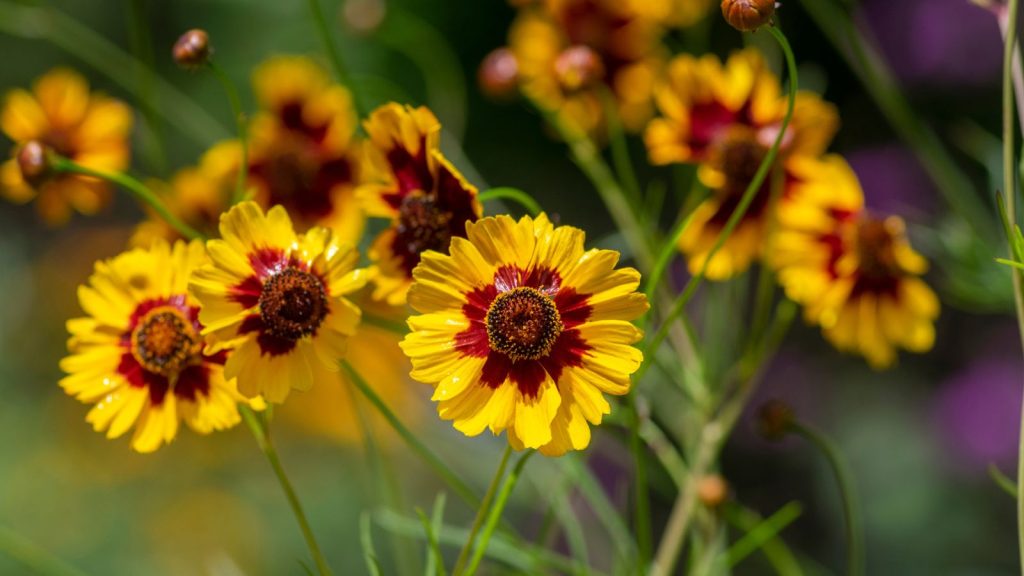
Coreopsis is known for its bright, daisy-like flowers in shades of yellow, gold, orange, and sometimes red or pink.
This hardy, drought-tolerant plant blooms from early summer to fall, adding lasting color to the garden. It thrives in full sun and well-drained soil, making it an easy-care option for various settings. Zones 2-8
Mountain Mint

Also called Sierra mint, it is the only Pycnanthemum species native to California. It grows rampantly and, if not contained well, can die back to the soil surface in winter. It prefers partial shade and moist, well-draining soils, and matures to 3 feet tall and wide. USDA hardiness zones range from 6 to 9.
Dutchman’s Pipe Vine

This vine is known for its unpleasant scent, which attracts insects. It tolerates most soil types, prefers partial shade, and requires minimal watering. It can grow over 20 feet long and is suitable for USDA zones 7 to 10.
Common Manzanita

An evergreen shrub with gnarled branches and delicate white flowers, it is adaptable to various soils and requires infrequent watering. It thrives in full sunlight and can grow up to 20 feet tall and 10 feet wide, suitable for USDA zones 8 to 10.
Bush Monkey Flower

Known for its sticky, dark green leaves, this shrub benefits from frequent deadheading to encourage blooming. It thrives in well-draining sand, clay, or loam soils, prefers full sunlight, and can grow up to 5 feet high. It is suitable for USDA zones 7-11.
Bush Anemone

This evergreen member of the hydrangea family, bush anemone, produces white flowers with a yellow center. It grows well in full sunlight in a variety of soils, has low water needs, and can grow up to 10 feet tall in USDA hardiness zones 8 to 9.
Round-fruited sedge

Round-fruited sedge grows in the coastal woodlands of California and prefers moist soils. It displays small, round, green fruits and green-brown spikelets early in the season. It prefers partial shade and well-drained, slightly acidic soils, and grows to 3 feet tall in USDA hardiness zones 3 to 9.
Deer grass

Deer grass is known for its light green to purple blades and tall flower stems that appear in spring. It prefers well-drained, full-sun soils and tolerates drought. It can grow to 4 feet tall and 5 feet wide and is suitable for USDA zones 7-10.