Tomato season is one of the most rewarding moments of summer. You enjoy fresh, juicy, flavorful tomatoes on demand and right from your garden, too. However, choosing the right type can be confusing if you’re a newbie and this is your first time planting tomatoes.
You’ll often come across the terms determinate and indeterminate tomatoes, which sound vague at first glance. But trust me, this distinction matters more than you think. These two types of tomato plants behave very differently, from how they grow and when they bear fruit, to the amount of space they require and the kind of care they demand. Understanding this difference is key if you want to enjoy the benefits listed above.
Let’s break down the differences between determinate vs. indeterminate tomatoes.
1. Growth Habits

Growth habits are the primary factor that separates the two types of tomatoes. Determinate tomatoes grow to a certain height, typically up to 4 feet tall, and then stop growing. Their growth is compact and bush-like.
On the other hand, indeterminate tomatoes continue to grow throughout the season, often reaching heights of 6 feet or more. These varieties behave more like vines and need support as they grow and produce.
2. Fruiting Period

Determinate varieties tend to produce most of their fruit at once over a short period of a few weeks. This makes them great for gardeners who want a large harvest in a short period. Indeterminate varieties fruit gradually. You’ll get tomatoes throughout the season, often until frost, but not in a single, large batch.
3. Maintenance Needs

Determinate varieties generally require less work. Since they stop growing at a certain height, you don’t need to worry too much about training their vines or pruning them. In fact, pruning too much can reduce yield, as most fruit forms at the tips of the branches.
Indeterminate types require regular pruning to remove suckers and maintain a manageable plant. They also need consistent staking or trellising to stay upright.
4. Space Requirements

Determinate tomatoes are well-suited for small gardens or containers due to their compact nature. Indeterminate tomatoes need more vertical and horizontal space.
Their rambling nature means indeterminate tomatoes need ample room to grow. They’re better suited to garden beds or areas with room to install sturdy support systems. Gardeners with trellises or tall cages can also grow them.
5. Harvest Style

Because determinate tomatoes ripen in a tight window, you can harvest them in bulk and preserve and store them by canning, freezing, or making sauces in bulk.
Indeterminate tomatoes provide a steady supply of fresh fruit over several weeks and are ideal for gardeners who enjoy picking fresh tomatoes for salads, sandwiches, and other meals as needed.
6. Best Use in the Kitchen

Determinate tomatoes are often used in cooking, especially for sauces and pastes, because of their short harvest window and thicker, meatier fruit. Indeterminate varieties are typically juicier and more flavorful, making them a go-to for fresh eating.
7. Tomato Size and Yield Type
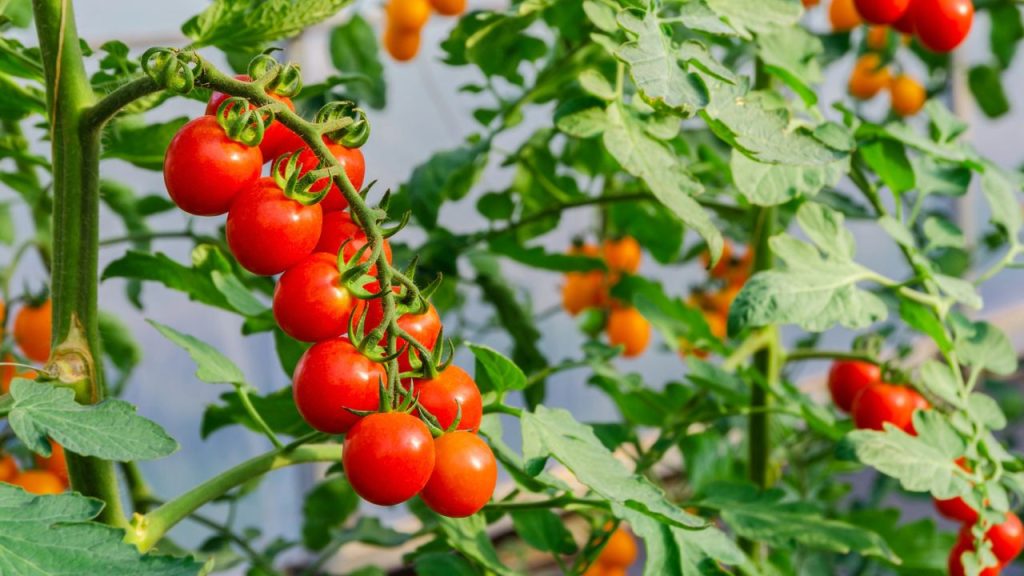
Determinate types usually produce medium-sized fruit that matures quickly and consistently. They also produce a single big harvest. Indeterminate tomatoes vary widely in size, from cherry tomatoes to large heirlooms, and may take longer to mature, but often yield more overall. They just take their time doing it.
8. Climate Suitability

If you live in a region with a short growing window or unpredictable weather, determinate varieties can be a safer choice for growing. Because they grow faster, their fruit ripens before cold weather hits.
Indeterminate types perform well in milder climates with longer summers, offering a steady supply of tomatoes through the warm months.
9. Seed Saving and Labeling

Indeterminate types are more commonly open-pollinated and heirloom varieties, making them ideal for seed saving and preservation. Contrary to this, determinate tomatoes are often hybrids, meaning their seeds won’t always grow true to the parent plant.
10. Support Structures

Determinate tomatoes usually do fine with basic cages or small stakes. Indeterminate tomatoes require taller stakes, cages, or trellises, often six feet or longer, to support their continuous growth and heavier fruit load.
11. Type of Need

Many commercial tomato growers prefer determinate varieties because they allow for predictable, efficient harvesting. Home gardeners, who are often less concerned about timing and more focused on flavor and fun, tend to enjoy indeterminates more.
12. Disease Resistance
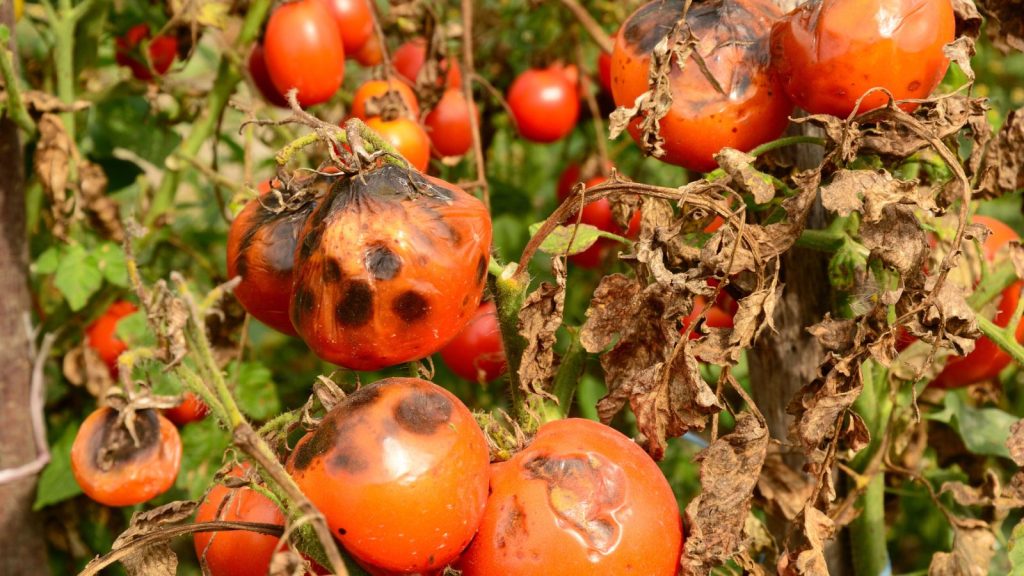
Many determinate varieties are bred with disease resistance in mind, especially for commercial farming. However, they’re often more susceptible to stress due to their shorter lifecycle. Indeterminates may encounter more pests or diseases over time, but their ongoing growth gives them a better chance to recover or outgrow damage.
13. Heirloom Variety

While both types have heirloom and hybrid forms, many old-fashioned, heirloom tomatoes, like ‘Brandywine’ or ‘Cherokee Purple’, are indeterminate varieties. These often taste better but need more attention in the garden.
14. Harvest Flexibility

Because indeterminate tomatoes ripen gradually, you don’t need to process large batches simultaneously. This works well for smaller households. Meanwhile, determinate varieties require more planning during harvest, especially if you’re preserving or cooking with large quantities.
15. Succession Planting

You can plant more determinate tomatoes every few weeks to extend your harvest period.
Indeterminates typically don’t require succession planting since one plant can produce fruits for several months.
16. Flavor Differences
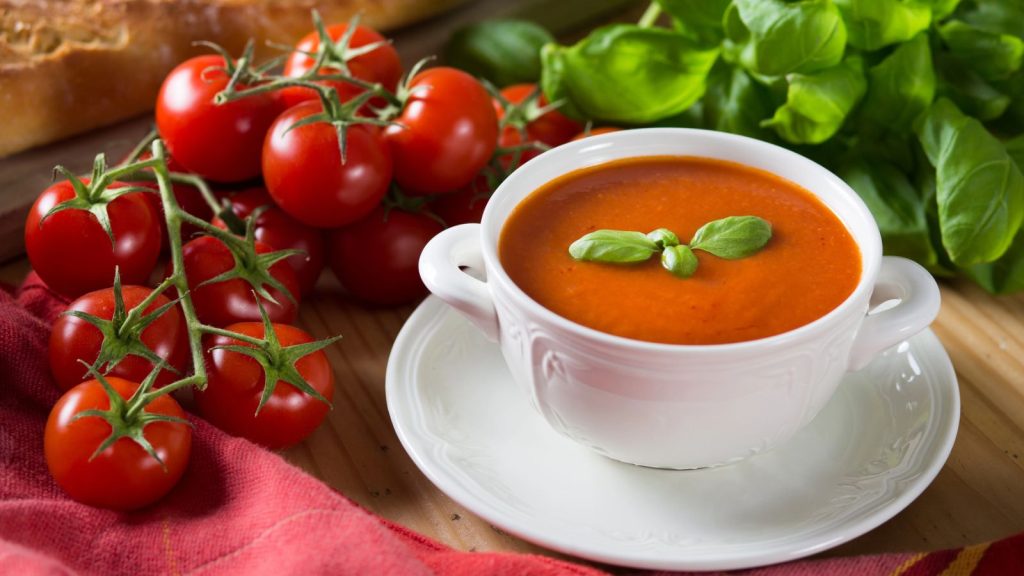
Indeterminate tomatoes tend to have a more balanced taste and flavor profile. This is partly because the plant has more time to develop sugars and flavors as it grows slowly over the season.
It also helps that heirloom varieties dominate this group of tomatoes, and they’re often bred for taste over uniformity or shelf life. However, this doesn’t mean determinate tomatoes do not taste good too.
17. Best Choice for First-Time Growers

Determinate tomatoes have shorter plants, require smaller spaces, produce earlier fruit, and require less fuss. What else screams beginner-friendly better than this? If this is your first time growing tomatoes (or anything at all), determinates can be a gentle introduction.
Indeterminates are a bit more rewarding in the long term, but they’re also very demanding, and beginners may be discouraged.
Grow Juicier, Tastier Tomatoes with These 15 Companion Plants

Companion planting is an age-old gardening method that can help prevent common plant issues and boost crop yields. By using some of the best companion plants for tomatoes, your harvests will be better than ever. Here are the 15 best companion plants for your tomato garden.
Grow Juicier, Tastier Tomatoes with These 15 Companion Plants
How to Support Tomatoes: Tomato Stakes vs. Tomato Cages
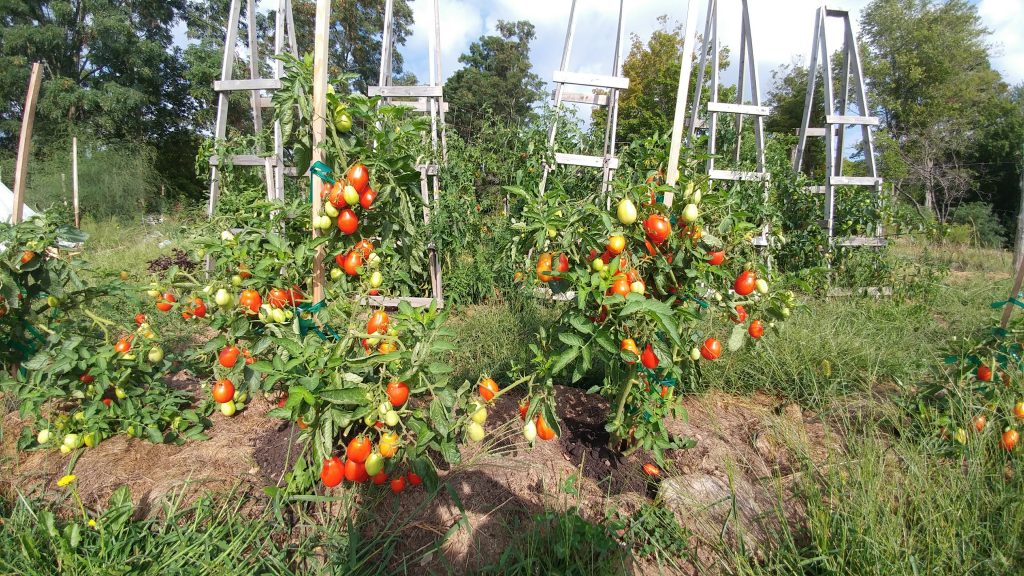
Supporting garden tomatoes with tomato stakes or cages is necessary for all but a few varieties of tomatoes. Without some form of support, your tomato plant will sprawl out over the ground. Here, we’ll share some considerations to help you make a choice that will work for your garden.
How to Support Tomatoes: Tomato Stakes vs. Tomato Cages
How to Properly Prune Tomato Plants

If you’re dealing with tomato plants that often get diseased, tend to droop, or look unhealthy, pruning should be on your gardening checklist. Here’s how you can properly prune your tomato plants.
How to Properly Prune Tomato Plants
How to Keep Deer from Ruining Your Tomato Harvest

Though deer are nice to watch, they can cause problems in the garden, particularly when they start munching on tomatoes. To help you protect your tomato plants this season, here are 15 strategies to keep deer at bay.