

Having a greenhouse in the backyard might seem like a luxury. To some, it’s a gardening dream. But having a greenhouse is much easier—and more practical—than most people realize.
A greenhouse offers a protected space to experiment, nurture plants, and even escape for a bit of relaxation. If you’ve wondered whether a backyard greenhouse could really enhance your garden, here are some compelling reasons it might be exactly what your yard needs.
Extended Growing Season

A greenhouse allows you to grow plants year-round, regardless of the outside weather conditions, which is especially beneficial in colder climates. You’ll still need to provide heat if it’s especially cold.
Protection from Weather

Harsh weather conditions such as frost, heavy rain, or extreme heat can be mitigated inside a greenhouse, keeping plants safe.
Pest Control

Greenhouses offer a controlled environment that can help keep pests and animals away from your plants, reducing the need for pesticides. They also keep out deer and other animals that feast on your hard work.
14 Lovely Perennials That Deer Won’t Touch
Better Plant Growth

By maintaining optimal humidity and temperature levels, plants can grow healthier and more efficiently than in an open garden.
Variety of Plants
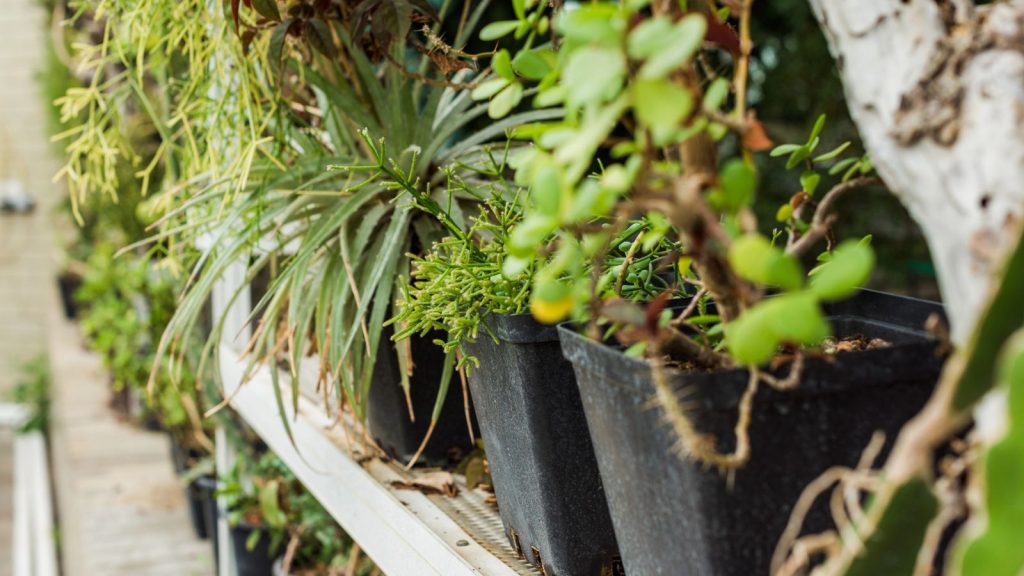
You can grow exotic or non-native plants that would not normally survive in your local climate. If you live in growing zones 1 through 5, you’re limited to short-season crops. A greenhouse can help you grow things that require a hundred days or more to harvest.
Increased Yield
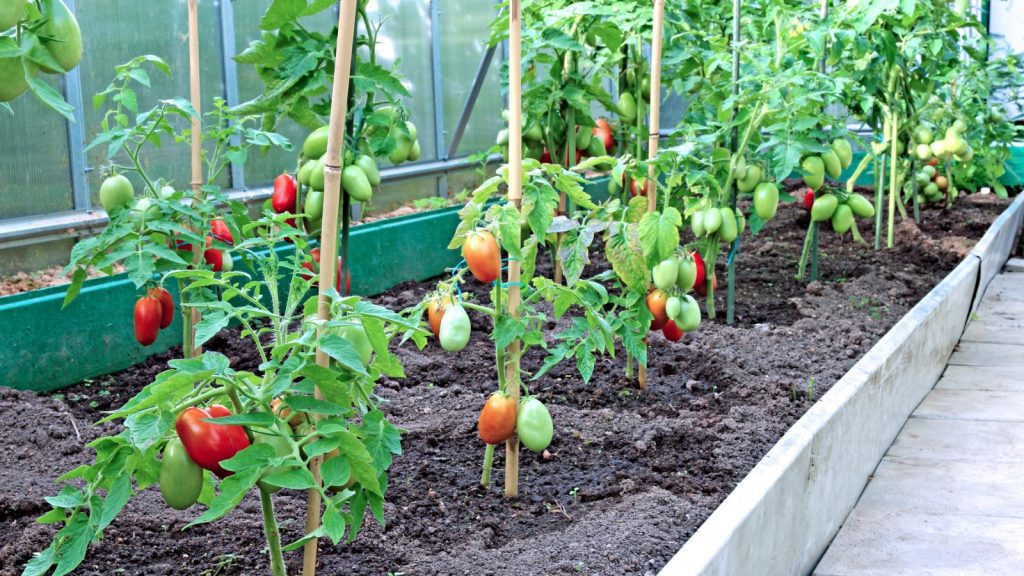
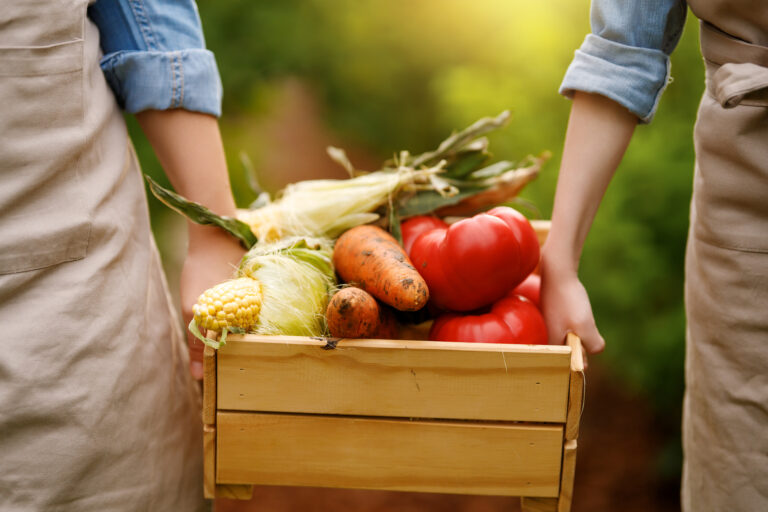
With optimal growing conditions, plants often produce higher yields compared to traditional outdoor gardening. Plants like tomatoes, eggplants, cucumbers and lemons are great candidates for growing in a greenhouse.
Sustainability

Greenhouses can support sustainable gardening by allowing you to reuse water through irrigation systems and reduce waste. You’re also reducing soil erosion.
28 Ways to Live Sustainably and Reduce Dependence on Retail and Grocery Stores
Aesthetic Appeal
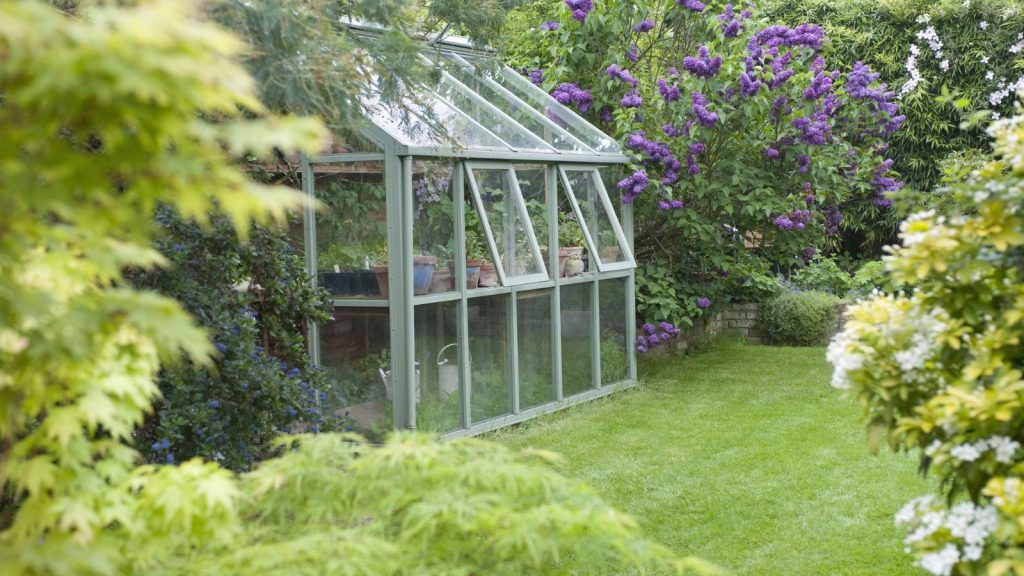
A well-maintained greenhouse can enhance the beauty of your garden and serve as an attractive focal point. In the spring and fall, set up a bench and enjoy the protection from the weather while still being outside.
Controlled Environment

You can regulate temperature, humidity, and light exposure, giving you more control over plant growth. To help control the environment inside your greenhouse, you’ll need fans and shade cloths.
Seed Starting

Greenhouses provide an ideal environment for starting seeds early, ensuring healthier seedlings before transferring them outdoors. You’ll probably have access to electricity, or solar power to heat seed mats or heaters to keep the seedlings warm.
20 Plants That Are Easy to Grow from Seeds
Reduced Weeds

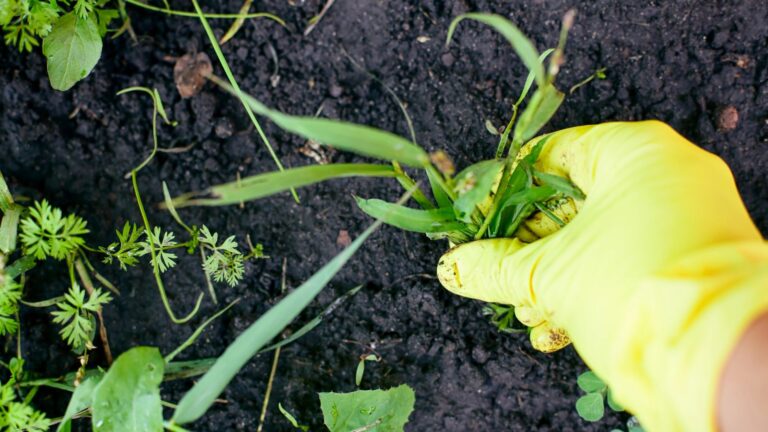
Since plants are grown in a contained space, the likelihood of weeds invading your greenhouse is much lower. You’ll save yourself hours of work every week while keeping your veggies safe from invasive weeds.
Energy Efficiency
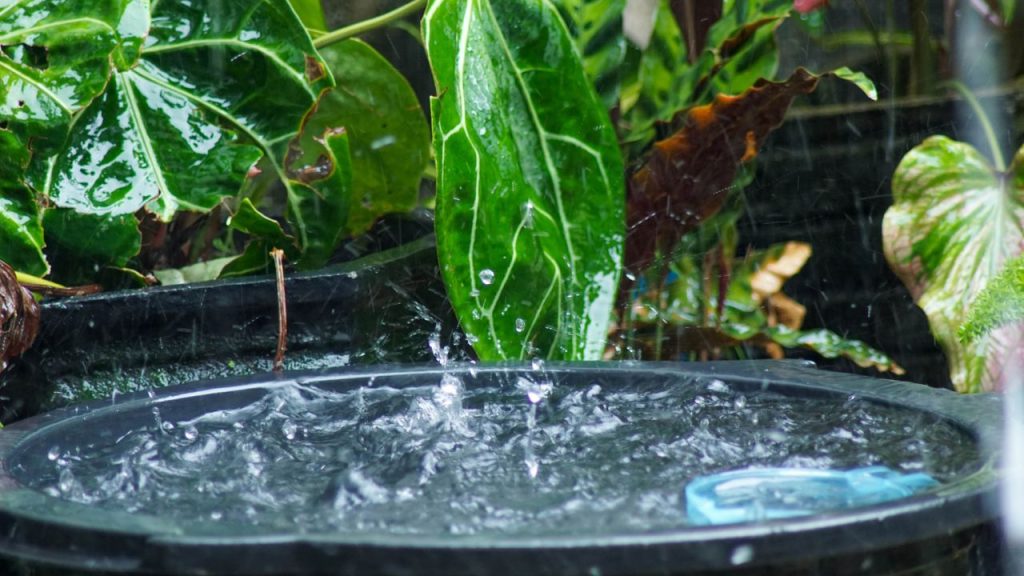
Some greenhouses utilize solar energy and rainwater collection systems to make them more energy-efficient and cost-effective. You don’t have to use your water. And you’ll use less water in a greenhouse than if you were trying to water a garden and dealing with evaporation.
Health Benefits

Tending to plants in a greenhouse can reduce stress and provide a therapeutic gardening experience. Working in a greenhouse even twenty minutes a day gets you in touch with nature. It is scientifically proven to reduce stress and anxiety. Who couldn’t use a little of that in their life?
Profit Potential

If you grow plants for sale, a greenhouse can provide an opportunity for a small business venture. Once you dial in how to grow, you’re going to have abundant produce. If you don’t want to sell your food, that’s fine. You can sell plant starts/seedlings as well.
Cons of Having a Greenhouse
We’ve given you all the reasons why it makes sense to have a greenhouse, but there are some cons, too.
High Initial Cost – Building or purchasing a greenhouse can be expensive, especially for larger or high-tech models. You can expect to pay anywhere from $2000 to $10,000. Even building your own will probably run you around a thousand dollars.
Maintenance Requirements—Greenhouses require regular upkeep, including cleaning, monitoring temperatures, and checking for pests. If you’re using glass, windstorms can crack it.
Heating and Cooling Costs – Maintaining the right temperature can be costly, particularly in extreme climates where additional heating or cooling is needed. You’ll need to buy shade cloths, which can be expensive, especially if you have to cover a large greenhouse. Energy costs to run heaters and fans can also get expensive in a cold snap.
Space Requirements—A greenhouse takes up valuable yard space, which might not be ideal for those with small properties. However, the cost of giving up a hundred square feet or so versus the hundreds of dollars in produce you can produce is often worth it.
Risk of Overheating – Without proper ventilation, a greenhouse can become too hot, which can damage or kill plants. In spring, greenhouses are great. In the summer, the internal temps can quickly exceed a hundred degrees.
Limited Pollination – Since plants are enclosed, natural pollinators like bees and butterflies may not have access, requiring manual pollination for specific crops. Cracking a door and inviting bees inside is an option, but you could end up with bee nests that become problematic.
Potential for Pest Infestation – While greenhouses reduce outdoor pests, they can still harbor pests such as aphids or fungus gnats if not managed properly. It’s crucial you have plenty of fans and airflow to cut down on fungus issues.
Humidity Issues – Excess humidity can lead to mold, mildew, and plant diseases if not properly regulated. Again, proper ventilation is a big issue in a greenhouse.
Time Commitment—Greenhouses require regular monitoring and care, which can be time-consuming for busy individuals. Given the prime growing environment, a minor problem, like fungus, can quickly become a huge problem in a matter of days.
Watering Challenges – Plants may require manual or automated irrigation systems to ensure proper hydration, adding to setup costs. You’ll also risk overwatering if you’re not used to the minimal water plants inside a greenhouse need.
Structural Damage Risks – Strong winds, heavy snowfall, or storms can damage a greenhouse if it’s not built to withstand extreme weather.
Zoning and Permits – Some areas require permits to build a greenhouse, adding extra steps and costs to the process. If you live in an HOA, you might have issues as well.
Potential for Crop Failure – If the greenhouse environment is not properly maintained, plants may suffer from disease, poor growth, or lack of nutrients. Because you’re likely going to be using containers, you have to provide soil nutrition. It’s very easy to get this wrong. Too much nitrogen or not enough can be detrimental to plants.
Upfront Energy Use – Some greenhouses rely on electricity for heating, lighting, and ventilation, which can lead to higher energy consumption. It’s smart to invest in solar panels, which can be a steep upfront cost.