

Raised garden beds are a great way to grow vegetables, herbs, and flowers. They help you optimize space, protect your plants from harsh weather, manage soil quality, keep pests at bay, and make gardening easier on your back.
But not every plant belongs in a raised bed. Some grow too large, need too much space or water, or simply hog all the nutrients.
If you want your garden to thrive, here are 15 plants you should never grow in raised garden beds and exactly why they’re not a good fit.
1. Corn

Corn may seem like a fun crop to grow, but raised beds aren’t ideal for it. Corn needs to be planted in blocks, not rows, to help with wind pollination.
Pollination is harder in a small space like a raised bed, and the tall stalks can easily fall over if the soil is too loose. Plus, they’ll cast a lot of shade on other plants.
2. Watermelons
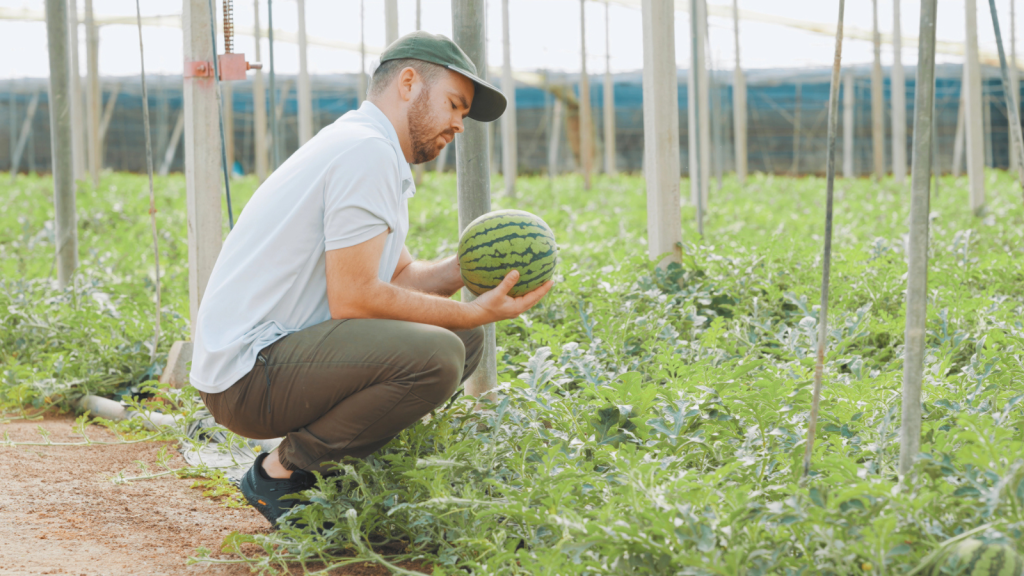
Watermelons are juicy to eat, but a headache to grow on raised garden beds. They need a lot of space to stretch out. Their vines can travel several feet in every direction, making it hard for anything else to grow nearby.
Unless you plan to dedicate an entire raised bed to just watermelons, they’re better suited for open ground.
3. Mint
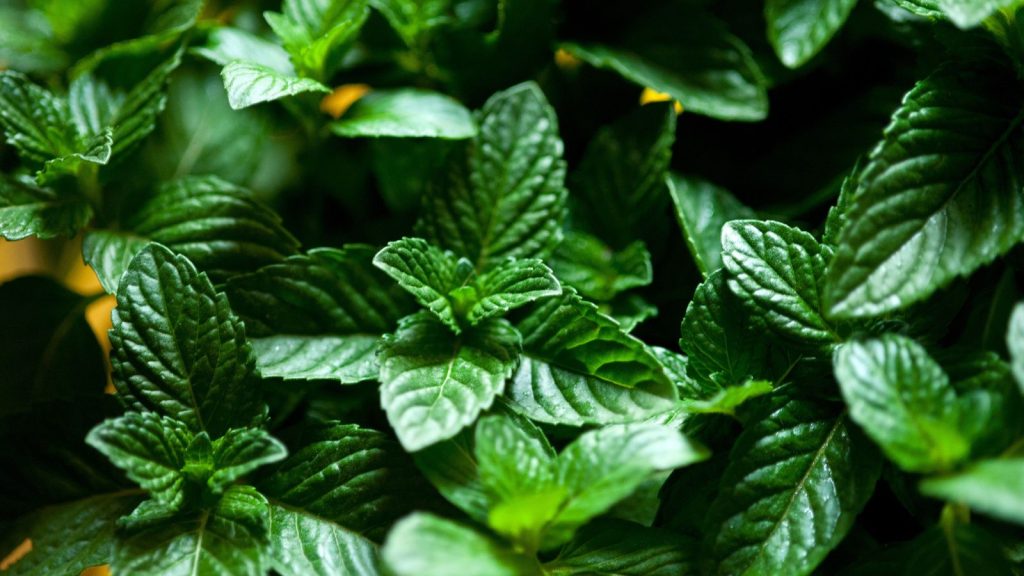
Mint grows like a weed. It spreads quickly through underground stems called rhizomes and will take over your entire raised garden bed if you’re not careful.
Also, the plant is susceptible to spider mites, a pest you do not want anywhere near your garden bed. It’s better to grow mint in its own container or pot where it can’t grow wild and smother other plants.
Related: How to Grow and Harvest Mint
4. Potato

Potatoes are heavy feeders and need a lot of space to develop underground tubers. In a raised bed, they can quickly use up the nutrients in the soil, leaving little for your other plants to thrive on. Plus, when it’s time to harvest them, the process disturbs the bed’s soil structure and your other plants might not like that.
Related: How to Grow Potatoes: Trench or Hill Method
5. Squash
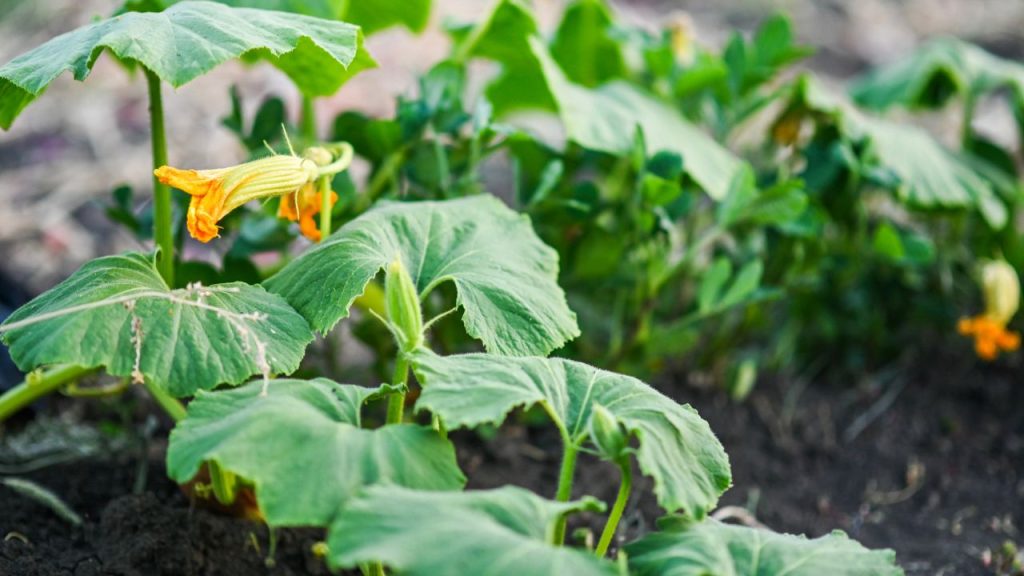
Squash plants grow large, sprawling vines that need plenty of room. They’ll crowd out other plants in a raised bed and may even trail outside the box. They also require lots of nutrients and water, which can throw off the balance of your garden bed.
6. Asparagus
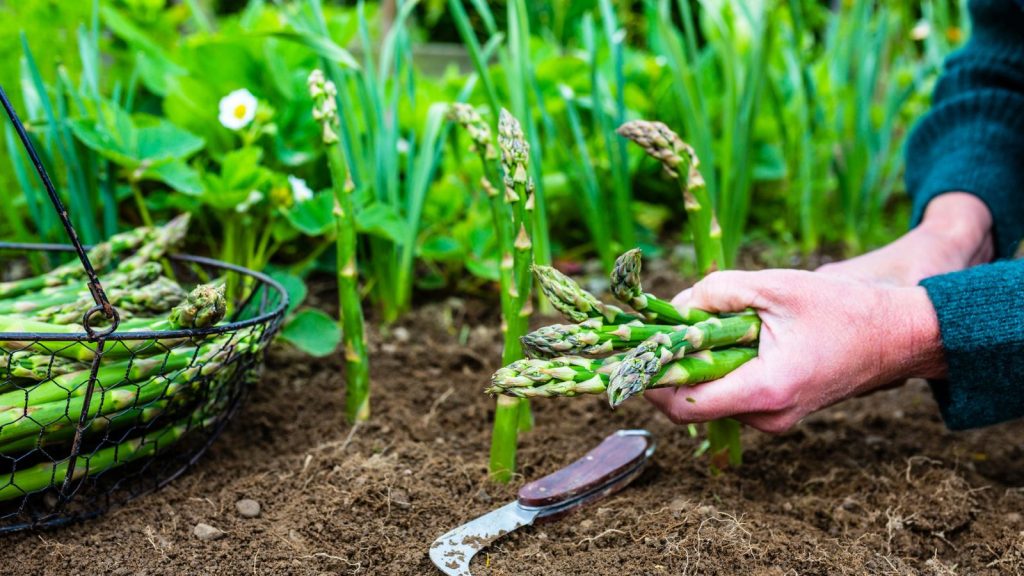
You can grow asparagus on a raised garden bed. But the question is whether that’s something you’d want to do. Asparagus is a long-term crop that can live for 15–20 years and takes up a lot of space over time. It’s also slow to produce; it takes up to three years before you can harvest. In a raised bed with limited space, it’s not the most efficient use of the room.
7. Wheat

Growing wheat in a raised garden bed is tricky. It’s tricky to grow wheat in raised garden beds. You have to dedicate a lot of space, effort, and time to ensure all the plants in your garden thrive. Also, wheat can get competitive for nutrients, stunt growth, and block sunlight from reaching shorter plants.
8. Rice

Growing rice in raised garden beds is a bad idea for a number of reasons. For one, rice needs constant water or even flooded conditions to grow properly. That’s something raised garden beds just aren’t built for. It’s a very thirsty plant and heavy feeder that will mess with your soil and water levels, making it hard to grow anything else alongside it.
9. Broccoli

Broccoli will fight for every nutrient in your garden and require even more. It also spreads out as it grows, blocking light from neighboring plants. It also has a strong root system that can outcompete other crops. Save your raised bed for lighter feeders that won’t hog all the resources.
10. Cauliflower

Cauliflower behaves a lot like broccoli. It needs space, nutrients, and stable growing conditions, which don’t always pair well with a crowded raised bed. Cauliflower can be a problem if you’re growing other vegetables that need sunlight and space.
11. Blackberries
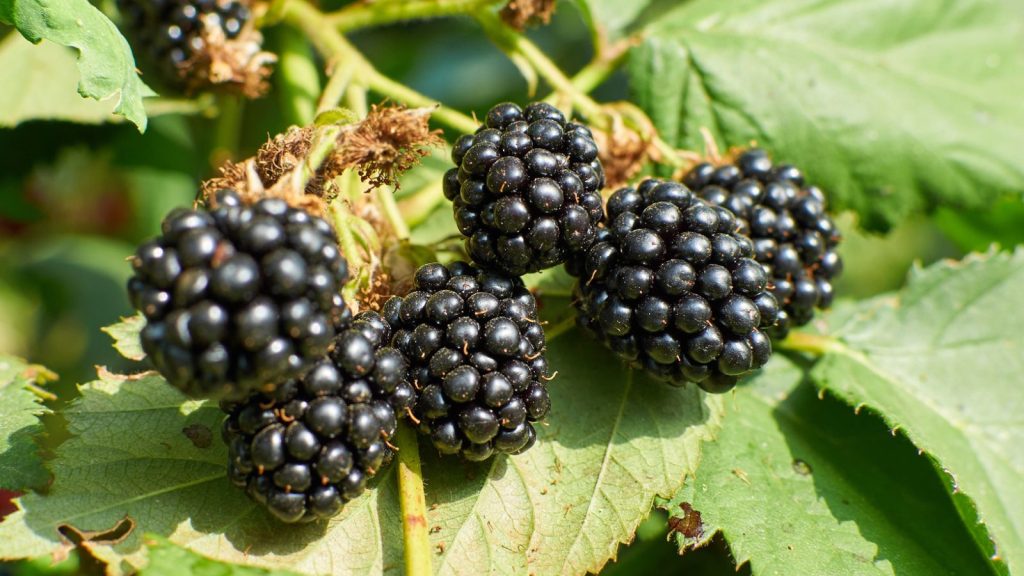
Blackberries are perennial crops, meaning they will grow all through the year and take over your garden bed unless you remove them. Their brambles can spread aggressively, their roots go deep, and their growth habits make them difficult to control in a small raised bed. In that time, they will compete with other plants in your garden beds.
12. Horseradish
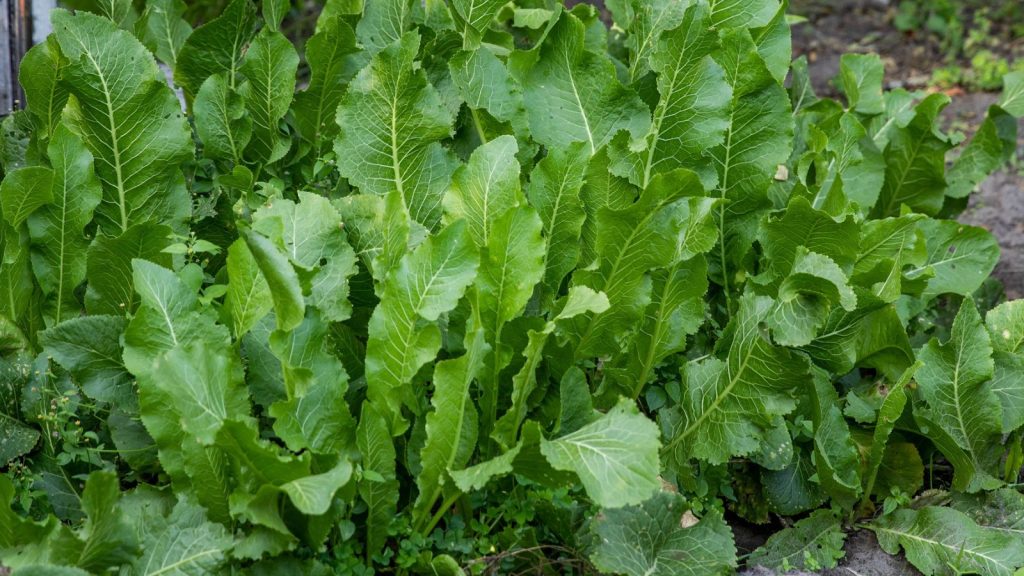
Horseradish has invasive roots that spread fast and deep. Once it takes hold, it’s hard to remove. The roots can break through the sides of your raised bed and pop up where you don’t want them. In many cases, the only way to solve its invasiveness is to remove the entire garden structure.
13. Fennel
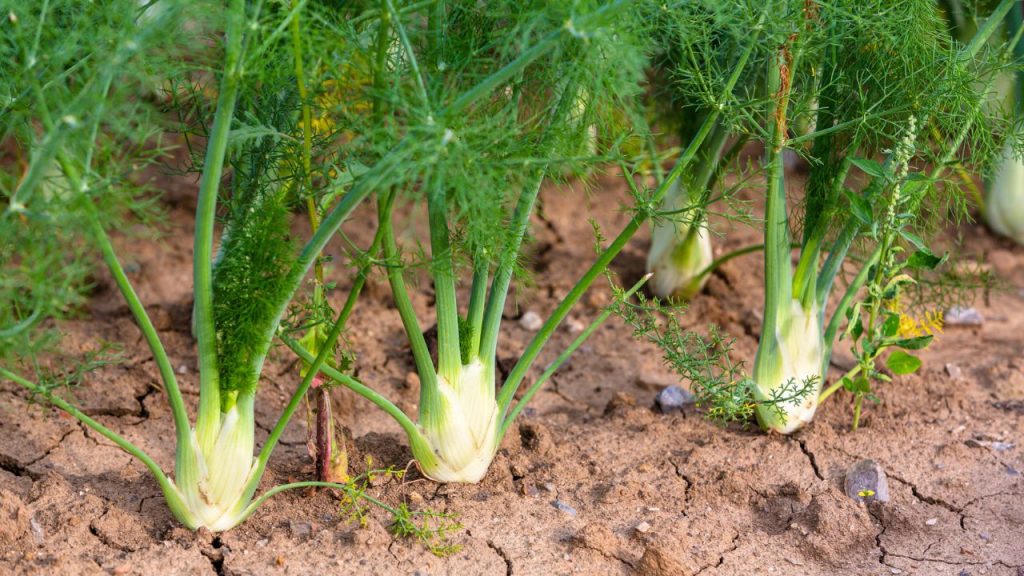
Fennel is not compatible with many garden plants and can be dangerous on a small raised bed. These heavy feeders also produce allelopathic chemicals that can slow down or even stop the growth of nearby plants. Plants like peppers and
14. Barberry

Barberry is an ornamental shrub that may look nice but very destructive. It can change soil chemistry, spread aggressively, and even harbor pests like ticks. It’s best to plant barberry away from edible crops and definitely not in a raised bed.
15. Rhubarb

Rhubarb is another plant that likes to monopolize space. While it’s a hardy plant, it grows large leafy tops and thick stems that make the concept of sharing ridiculous. If your goal is to grow a variety of vegetables, rhubarb’s large size will crowd them out.
Build Your Dream Garden with These 16 Easy DIY Raised Beds

While pre-made raised beds can be expensive, building your own is a cost-effective alternative. With some basic materials and a bit of effort, you can construct your own raised beds at a fraction of the cost. Here are 16 DIY Raised garden bed projects to help you get started.