Blue perennials bring a cool, calming touch to the garden. Their bold, rich tones stand out beautifully among greens and other flower colors, adding splashes of color that feel both fresh and timeless.
These 20 blue-blooming perennials offer long-lasting beauty and a reliable return year after year.
Blue Thistle (Echinops ritro)

With bold, spiky blue blooms that look like little globes, blue thistle brings a sculptural element to the garden. It’s a hardy perennial that thrives in full sun and well-drained soil, offering drought resistance and being a magnet for pollinators. It is great for Zones 3–9, and just as striking in floral arrangements as in the ground.
Hydrangea (Hydrangea macrophylla)

Hydrangeas are famous for their big, cloud-like blooms; with the right soil, they turn a gorgeous shade of blue. Acidic conditions help produce that signature hue. These shrubs enjoy morning sun and afternoon shade, plus rich, moist soil. Ideal for Zones 3–9.
Related: How to Change Hydrangea Colors to Get the Shades You Want
Forget-Me-Not (Myosotis sylvatica)

These lovely little flowers pop up in early spring, dotting your garden with clusters of sky-blue blooms. Forget-me-nots love shady, moist spots and tend to self-seed, creating a natural look year after year. Best for Zones 3–8.
Iris (Iris germanica)

Known for their sword-like leaves and bold flowers, irises come in a range of colors, blue being one of the most striking. Plant them in well-drained soil with the tops of their rhizomes exposed to sunlight. Once established, they’re drought-tolerant and ideal for Zones 3–9.
Blue-Eyed Grass (Sisyrinchium angustifolium)

This perennial produces blue to purple flowers. It requires supplemental watering in summer to prevent dormancy. It is low-maintenance, tolerates various soil types, and prefers full sunlight to partial shade. It reaches up to 2 feet, 3 inches in height and is suitable for USDA zones 4 to 9.
Hyacinth (Hyacinthus orientalis)

Hyacinths produce compact, fragrant flower spikes that add a burst of blue to early spring gardens. Plant the bulbs in fall for spring blooms. They do best in full sun to partial shade and well-drained soil. Great for Zones 4–8.
Snowdrop (Galanthus nivalis)

Though typically white, some snowdrop varieties hint at a soft blue tint. These early bloomers push through the soil—sometimes even snow—bringing delicate charm to shady, moist areas. Perfect for naturalizing in Zones 3–7.
Himalayan Blue Poppy (Meconopsis betonicifolia)

A true showstopper, the Himalayan blue poppy boasts rare, vivid blue petals with golden centers. It needs cool, damp, and partially shaded conditions with acidic, rich soil. A bit fussy to grow, but worth it in Zones 5–8.
Clematis (Clematis spp.)

Clematis vines come in many shades, including some stunning blues. These climbers need full sun on their blooms but prefer their roots cool and shaded. Perfect for trellises and fences in Zones 4–9.
Related: 20 Best Climbing Plants for Your Fences, Trellises and Pergolas
False Indigo (Baptisia australis)

False indigo is a sturdy, no-fuss perennial with tall spikes of blue to indigo flowers in late spring. It loves full sun and well-drained soil and makes a great addition to sunny borders. Best in Zones 3–9.
Periwinkle (Vinca minor)

This ground cover is a tough little plant with cheerful, star-shaped blue blooms. It spreads quickly in shaded areas and works well for erosion control or under trees. A favorite in Zones 4–8.
Related: 15 Ground Cover Plants Homeowners Are Choosing Instead of Grass
Speedwell (Veronica spp.)

Speedwell adds long spikes of bright blue flowers that bloom for weeks. It’s low-maintenance, thrives in full sun, and is perfect for adding vertical interest to garden beds. Hardy in Zones 3–8.
Morning Glory (Ipomoea purpurea)

Morning glories are fast-growing vines with large, trumpet-shaped blue blooms that open with the sun. They love full sun and well-drained soil and are usually grown as annuals, though perennial in Zones 9–11.
Woodland Phlox (Phlox divaricata)

This low-growing, fragrant bloomer spreads under trees and along shaded paths. Its soft blue to violet flowers bring gentle color to woodland and cottage-style gardens. Suitable for Zones 3–8.
Lupine (Lupinus polyphyllus)

Lupines send up tall spires of blooms, including eye-catching blues. They prefer full sun to partial shade and cool climates with rich, well-drained soil. Plant in Zones 4–9 for best results.
Virginia Bluebells (Mertensia virginica)
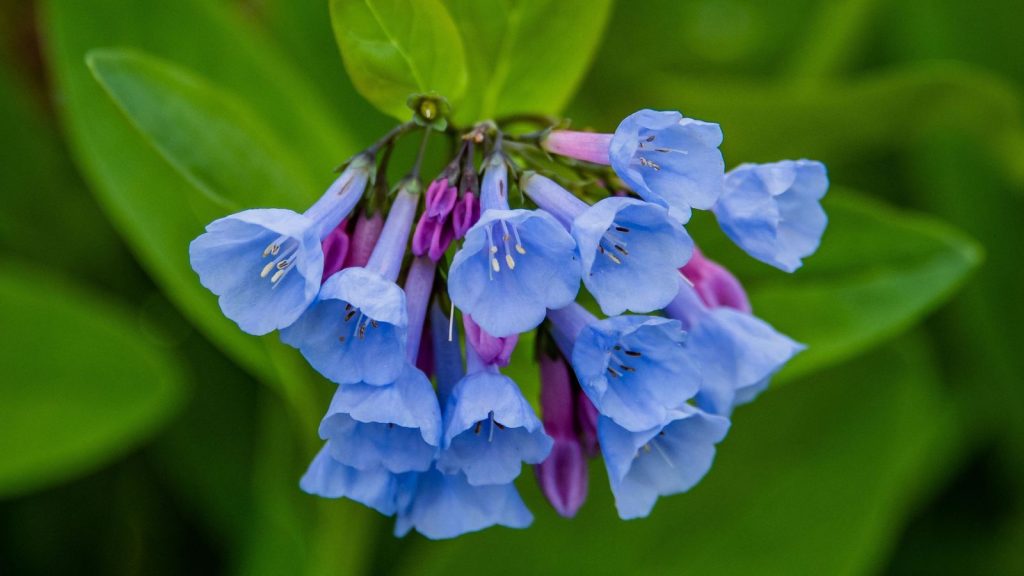
These native wildflowers begin with pink buds that open into soft blue, bell-shaped blooms. Perfect for shady, moist areas in Zones 3–9, Virginia bluebells are a lovely sign of spring’s arrival.
Related: 16 Gorgeous Wildflowers Perfect for Low Maintenance Gardens
Geranium ‘Rozanne’ (Geranium hybrid)

This perennial blooms nonstop from late spring to frost with bold blue-purple flowers. It’s tough, low-maintenance, and thrives in sun to partial shade. Great for Zones 4–7.
Delphinium (Delphinium elatum)

Delphiniums are famous for their tall, dramatic flower spikes in rich blue shades. They need full sun, rich soil, regular watering, and often a bit of staking. After blooming, cut them back for possible repeat flowers. Best in Zones 3–8.
Spotted Lungwort (Pulmonaria officinalis)

Spotted lungwort grows well in shady, damp areas and features spotted leaves and pink flowers that fade to blue. A hardy, deer-resistant groundcover option for Zones 3–8.
Baby Blue Eyes (Nemophila menziesii)

Baby Blue Eyes is a low-growing, blue-flowered plant that spreads and has succulent stems. It is drought-resistant, prefers full sun, and grows in sandy or loam soils. It can reach up to 6 inches tall and 12 inches wide and is suitable for USDA zones 7 to 10.
30 Native Plants That Will Draw Beautiful Birds to Your Yard

If you want to attract more birds to your garden, the right plant choices can make all the difference. Here are 16 native plants that will attract a variety of birds.
30 Native Plants That Will Draw Beautiful Birds
20 Flowering Shrubs That Will Make Your Garden Look Like a Work of Art
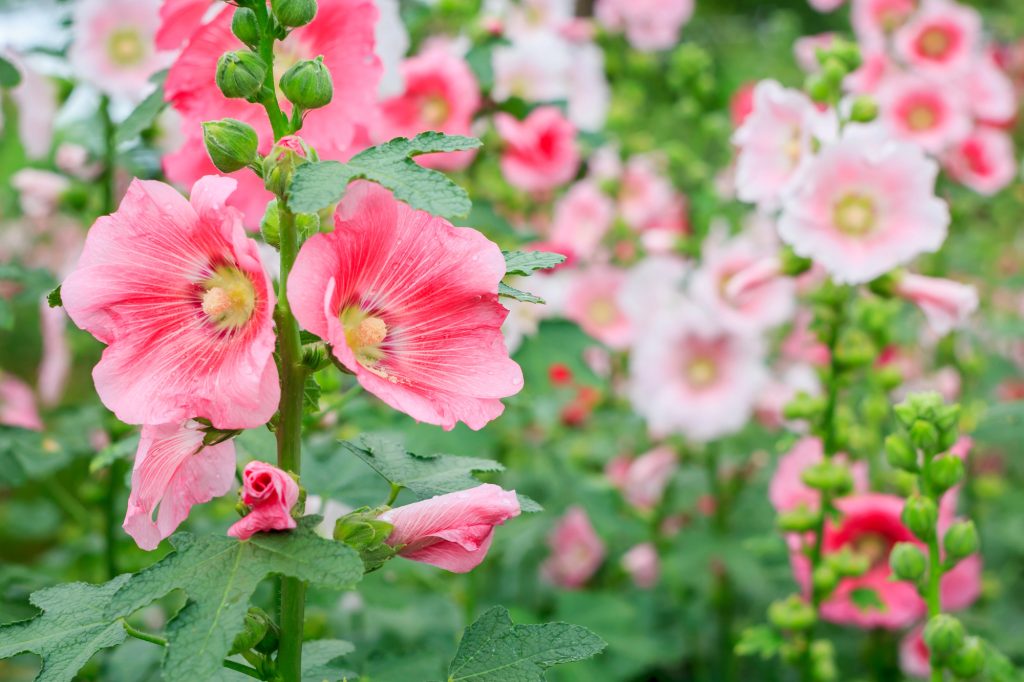
If you’re looking to bring a gorgeous touch to your landscape, here are 20 flowering shrubs that will make your garden look like a work of art.
20 Flowering Shrubs That Will Make Your Garden Look Like a Work of Art