I still remember the first time I noticed hollyhocks—though technically, I didn’t know they were hollyhocks at all. They were growing in my neighbor’s yard, tall and a little wild, with those big floppy leaves that people tend to overlook. Every year, she’d pull them up like they were weeds. And honestly? I probably would’ve done the same back then.
But hollyhocks have this quiet way of surprising you. They don’t show up polished. In fact, they start scruffy, low to the ground, almost like they’re trying not to be noticed. Then, if they’re lucky enough to survive the “mistaken for a weed” phase, they shoot up into these towering spires covered in summer blooms. And once you know what they are, you can’t believe anyone ever yanked them out.

Why Hollyhocks Deserve a Real Spot in Your Garden
They Look Like They Belong in a Storybook
When hollyhocks bloom, they don’t hold back. They grow five, six, sometimes even eight feet tall, with flowers stacked all the way up the stem. Soft pinks, peaches, deep reds, buttery yellows, colors that look like they were picked out by someone who loves a little romance.
They bring an instant cottage-garden feel without needing an entire cottage garden to match.
They’re Tougher Than They Look
Hollyhocks are extremely undemanding. Give them sun, decent soil, and enough space to breathe, and they’re off. They don’t need pampering, constant fertilizing, or perfect conditions.
Pollinators Treat Them Like a Buffet
Bees, butterflies, and hummingbirds can’t resist hollyhocks. If you want a summer garden that feels alive with movement, color, and a hum of activity, hollyhocks help make that happen.
They’re Not Weeds—They Just Grow Like Them
This is where the confusion happens. Hollyhocks are biennials, which means:
- Year 1: leafy, low, slightly awkward
- Year 2: tall, dramatic, full bloom moment
In that first year, when they’re all leaves and no flowers, they don’t exactly scream “keep me.” But once you learn their pattern, you start to see the value in letting them stay. And if they like you? They’ll gently self-seed and give you new plants each year without ever actually taking over.
And Yes—You Can Eat Them
This is the twist most people don’t expect. Hollyhocks aren’t just pretty; they’re fully edible.
- Petals: mild, slightly sweet, great in salads or floating in drinks
- Leaves: tender when young, similar to mild greens
- Roots: traditionally used in soothing teas
- Flowers: perfect for decorating anything from summer desserts to iced tea
How to Grow Hollyhocks
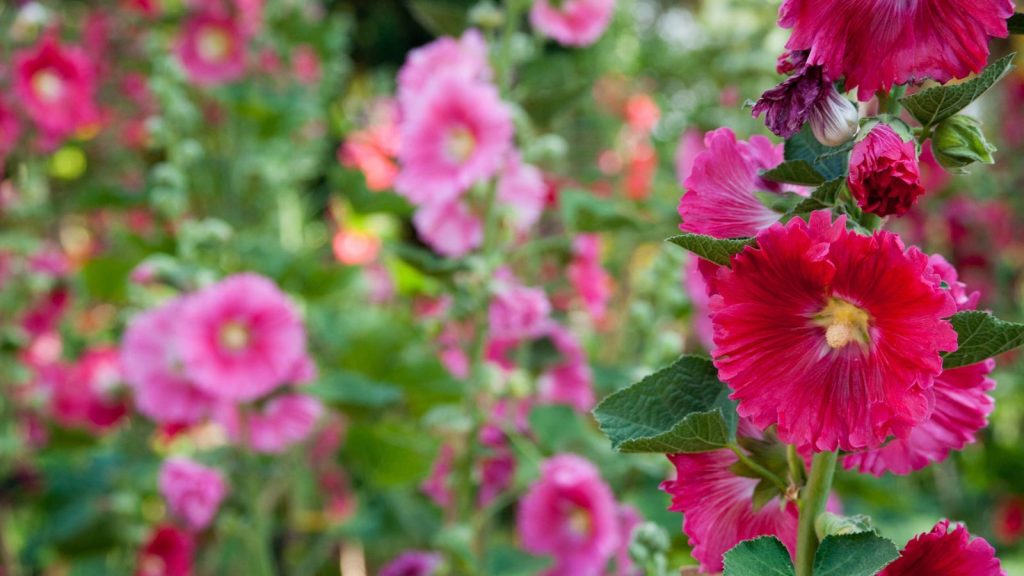
Pick a Sunny Spot
Full sun is their happy place. The more light they get, the better they bloom.
Plant From Seeds or Starts
You can scatter seeds in spring or late summer and let them settle in. They’re not picky, but they do appreciate space and good airflow.
Give Them Support (Sometimes)
If your garden gets windy or you’re growing a taller variety, staking helps keep those impressive stalks upright.
Let Them Do Their Thing
Water them consistently while they’re young, deadhead if you want more blooms, and collect seeds if you want an endless supply.
Why Hollyhocks Are Worth Keeping—Not Pulling
Hollyhocks bring height, color, and charm to spaces that feel flat or empty. They fill in awkward corners, soften edges along fences, and make any yard look more intentional, even when they got there by accident.
They’re the kind of plant that rewards patience. One year, you might be tempted to pull them, and the next year, they show you exactly why you shouldn’t have.
So if you spot one popping up in your yard, before you label it a weed, maybe let it stay a little longer. It might surprise you the same way it surprised me.