I got my first 2026 garden catalog this week, and it immediately nudged me into planning mode. I’ve already bookmarked my favorite seed companies and started sketching out ideas for next year’s garden.
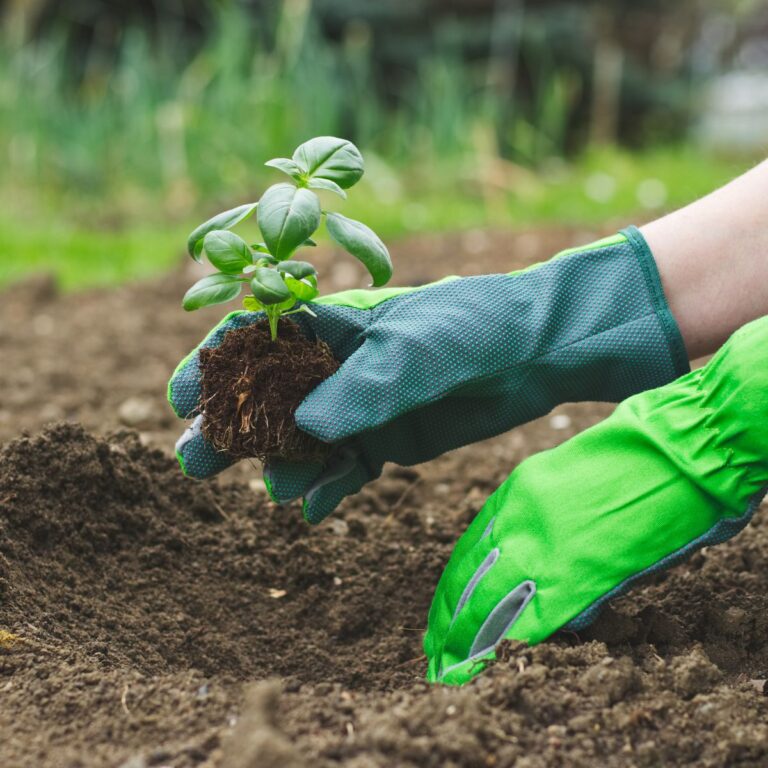
November might feel like the end of the season, but it’s actually one of the best times to set yourself up for success. Cool soil and steady moisture help fall-planted bulbs, herbs, and hardy vegetables settle in before winter, giving them a strong start when spring returns.
If you’re ready to get ahead too, here are things to plant in November for a beautiful spring garden.
Tulips

Tulips are one of the most rewarding bulbs to plant in the fall. They need time in chilled soil to form strong roots, which makes November ideal in many regions. Plant bulbs about six inches deep and space them 4–6 inches apart in well-drained soil. Different varieties bloom at different times, so mixing early-, mid-, and late-spring tulips can give you weeks of color.
Color: red, pink, yellow, purple, white
Height: 8–28 inches
Location: full sun to partial shade
Bloom time: early to late spring
Daffodils
Daffodils are dependable, long-lived, and often multiply on their own once established. They thrive in cool fall soil and will reward you with cheerful blooms early next spring. Plant them in clusters, about six inches deep and spaced a few inches apart, in sunny or lightly shaded areas. After flowering, let the foliage naturally fade—it helps the bulbs store energy for next year’s blooms.
Color: yellow, white, orange, pink
Height: 6–24 inches
Bloom time: early to mid-spring
Crocuses
Crocuses are among the earliest flowers to appear—often pushing up through snow. Plant the small bulbs about three inches deep and space them 2–3 inches apart in sunny, well-drained soil. They naturalize easily, spreading into bigger patches year after year.
Color: purple, white, yellow, striped
Height: 3–6 inches
Bloom time: late winter to early spring
Garlic

Garlic is one of the easiest crops to plant in the fall. Once the cloves are in the ground, they quietly establish roots over winter and are often among the first signs of life in spring.
Plant the cloves in loose, well-drained soil, water deeply, and top with a thick layer of mulch to protect them from cold weather.
Spinach & Mustard Greens
If your climate allows, hardy greens like
Peonies
Peonies can be planted or divided in the fall before the ground freezes. Each division should include several buds. Choose a sunny spot, plant the roots just below the soil surface, and mulch to protect them.
Hyacinths
Hyacinths are a great choice for gardeners who love fragrant spring blooms. Plant bulbs 4–6 inches deep and about five inches apart in fertile, well-drained soil. A light layer of mulch helps protect them through winter. By spring, you’ll have dense flower spikes that bring both color and scent to your garden beds or containers.
Color: blue, purple, pink, white, yellow
Height: 6–12 inches
Bloom time: mid-spring
Alliums
Alliums bring bold, globe-shaped flowers in late spring and are excellent for attracting pollinators. Plant the bulbs 4–6 inches deep in sunny, well-drained areas. Light watering is all they need after planting. Leave the dried seed heads standing for extra interest, then trim them back once they’ve fully dried.
Shallots
Shallots behave much like
Chives
Chives are tough, cold-tolerant, and almost effortless once established. Plant them in loamy soil in a sunny spot, then mulch lightly after the first frost. They’ll sleep through winter and be ready to take off once warmer weather returns. In spring, you can divide any crowded clumps to keep plants productive.