
Who doesn’t love roses? With their lush blooms, rich fragrance, and timeless appeal, roses are perfect for any occasion—whether in a garden, as a heartfelt gift, or arranged in a stunning bouquet.
But beyond their beauty, roses thrive best when surrounded by the right companion plants. Just like people, roses flourish with good company. The right companions help improve soil conditions, deter pests, and even boost their growth. It’s not just about planting flowers that look good together—it’s about creating a balanced, thriving garden where each plant supports the other.
If you want to make your roses truly shine, consider these 18 companion plants that complement their beauty and create the perfect growing environment.
Catmint
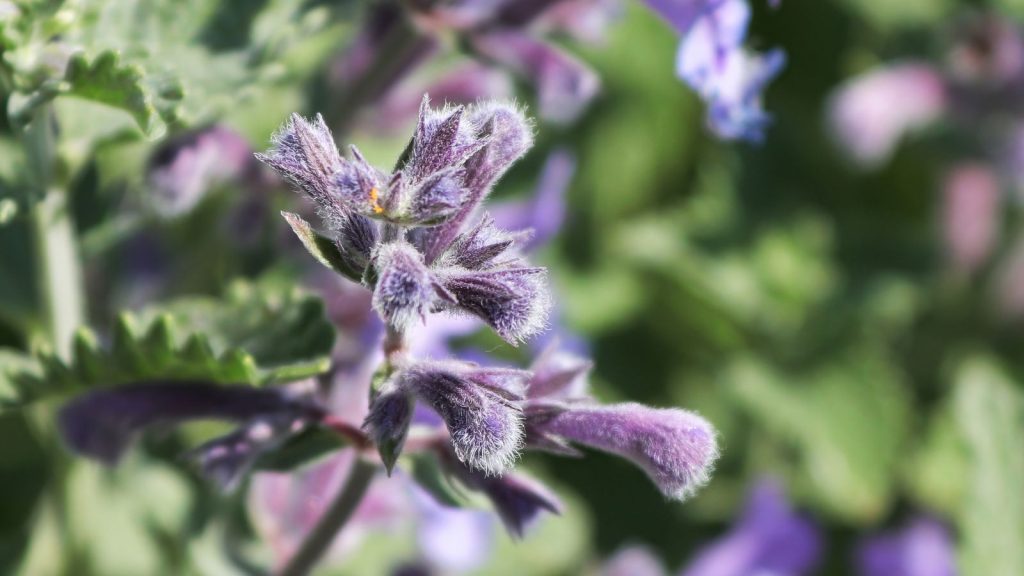
Catmint is a resilient and low-maintenance plant that makes an excellent companion for roses. Its soft,
Thriving in full sun to partial shade,
With a mounded, spreading growth habit reaching 18-24 inches tall,
Yarrow

Yarrow is a hardy and versatile plant that makes a fantastic companion for roses. Its clusters of small, flat-topped flowers bloom in shades of yellow, white, pink, and red, adding a delicate yet vibrant touch to the garden.
Thriving in full sun,
Salvia

Salvia plants are recognized for their spikes of purple flowers and are drought-tolerant, thriving in full sun. While some salvia varieties are perennials that return year after year in most zones, others may also be grown as annuals or biennials.
Foxglove
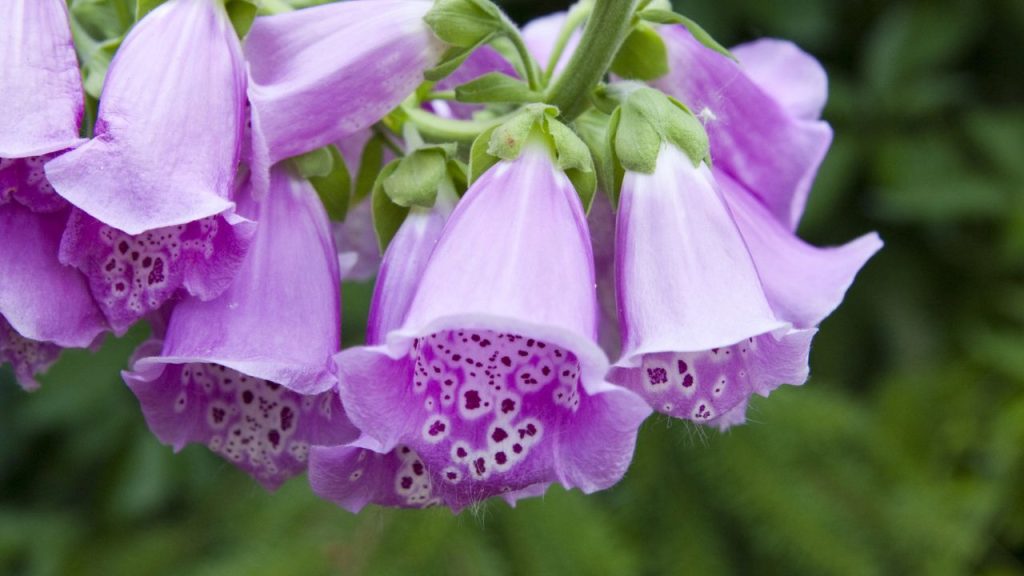
Foxglove is a striking addition to any garden, with its towering spires of bell-shaped blossoms that bring height to spaces. These flowers, often found in shades of purple, pink, white, and yellow, create a beautiful contrast when planted alongside roses, making them a perfect companion.
Foxgloves thrive in cooler conditions, blooming from late spring to early summer. Their vertical growth adds structure to garden beds. Adaptable to Zones 4-10, this hardy perennial (or biennial, depending on the variety) is a must-have for gardeners looking to introduce layers of texture, color, and visual interest to their rose beds.
Lantana

This sun-loving perennial is treated as an annual in cooler climates but is hardy in zones 9 to 11. Its clusters of small, brightly colored flowers can attract butterflies and hummingbirds, making it a perfect addition to a rose garden.
14 Stunning Plants That Bring Butterflies to Your Garden
Parsley
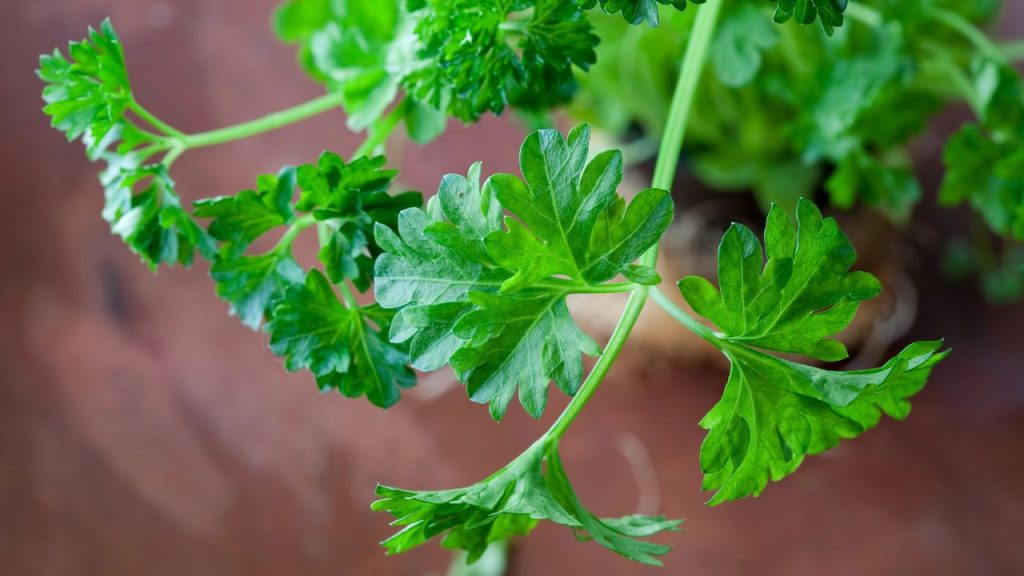
Parsley is a fantastic companion for roses. As parsley matures, it produces clusters of tiny, delicate flowers that act as a magnet for beneficial insects, particularly ladybugs, natural predators of aphids. This built-in pest control helps keep roses free from one of their most common nuisances.
Rue

The rue plant is a hardy perennial herb known for its bluish-green, fern-like foliage and clusters of small, yellow flowers that bloom in the summer. Rue prefers full sun and well-drained soil. It is ideal for zones 4-9, where it can thrive with limited care.
Tickseed (Coreopsis)

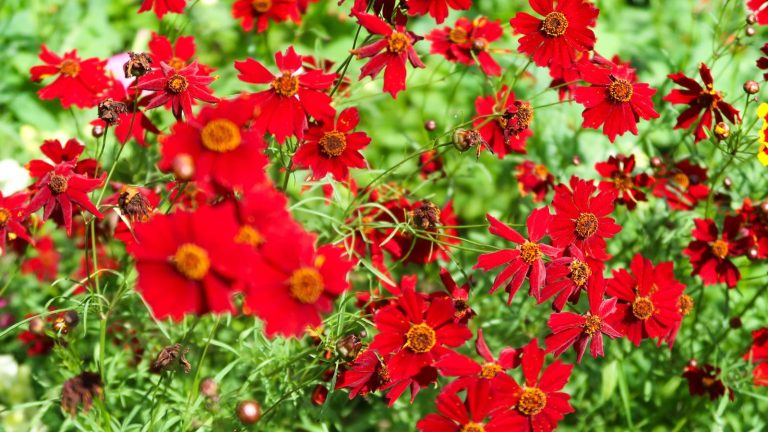
Coreopsis is known for its bright, daisy-like flowers in shades of yellow, gold, orange, and sometimes red or pink. It makes an excellent companion plant for roses. It attracts beneficial insects and requires similar growing conditions. This hardy, drought-tolerant plant blooms from early summer to fall, adding lasting color to the garden. It thrives in full sun and well-drained soil, making it an easy-care option for various settings. Zones 2-8
16 Gorgeous Wildflowers Perfect for Low Maintenance Gardens
Peonies

This old-fashioned, low-maintenance plant offers densely packed blooms perfect for cutting. Peonies make excellent companions for your roses, providing a beautiful backdrop of rich green foliage. This lush foliage offers a striking contrast, making the rose blossoms look even bigger when they bloom later in the season.
Bee Balm
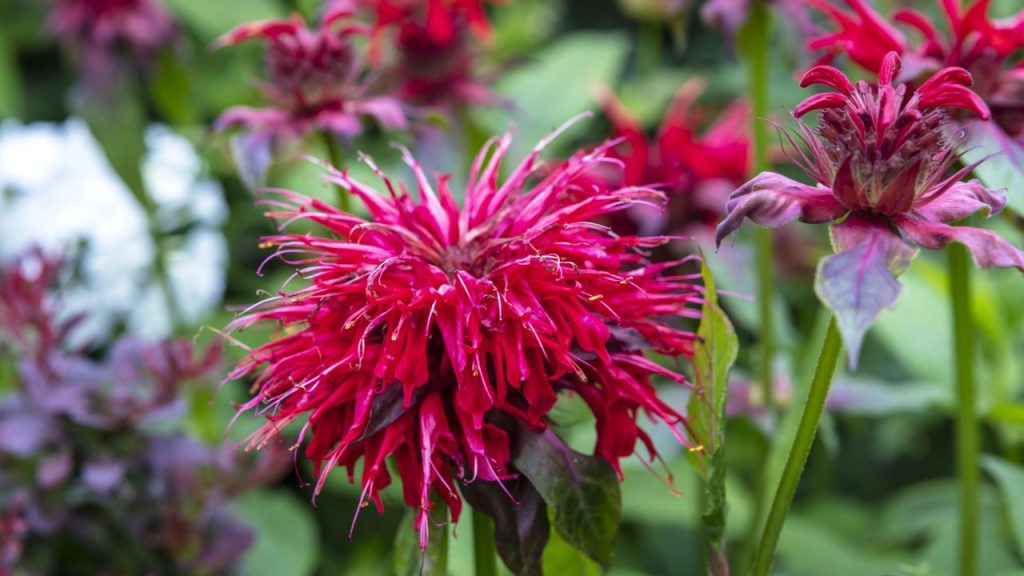
Bee balm is a win-win plant; it keeps mosquitoes at bay and attracts butterflies, bees, and even hummingbirds, which help pollinate roses. Bee balm grows in almost any soil condition but thrives in evenly moist ones. It’s a part of the mint family, so it spreads easily and will give you lots of blooms from mid to late summer. Zones 4-8
Marigolds

The vibrant blooms of marigolds draw a variety of beneficial insects, from bees to butterflies and wasps. Their bright colors and diverse textures make them a visually appealing addition and companion to roses.
14 Eye Catching Orange Flowers That Will Make Your Garden More Vibrant
Phlox

Known for its clusters of flowers and ability to attract pollinators with its nectar. This sweet-smelling flower is a must-have in any garden. It thrives in conditions similar to those preferred by roses, making it a suitable companion.
Sweet Alyssum

This plant forms blankets of fragrant flowers in shades of white, rose,
The Prettiest White Flowers To Plant in Your Garden
Butterfly Weed

Butterfly weed, a form of milkweed, is a brightly colored wildflower. It blooms in vibrant shades of yellow, orange, and red. This sun-loving plant thrives in light, sandy soil with good drainage. Its bright flowers and preference for full sun and well-drained soil make it a good companion for roses. Zones 3-9
Geraniums

Perennial Geraniums are hardy perennials that bloom in various colors and prefer full sun to light shade. It is easy to grow and flourishes in simple, well-drained, fertile soil. It is pest-free and disease-free and blooms from early summer to fall. Their long blooming season and various colors complement roses beautifully. Zones 4-7
Lavender

Lavender is a beautiful, rich purple color with a comforting scent. It adds beauty and fragrance to your garden. Lavender thrives in a sunny spot and can be grown in pots. Its purple flowers contrast beautifully with rose blooms, and it thrives in similar growing conditions
18 Fragrant Flowers That Will Make Your Garden Smell Amazing
Agastache

Agastache is a favorite among bees, hummingbirds, and butterflies. It features tall spikes of fragrant flowers in purple, pink, and orange shades, perfect for pairing with catmint. Agastache requires full sun and well-drained soil. This plant is fairly pest-free and will bloom through summer. Zones 4-10
Thyme

The oil released from crushed thyme leaves is effective in repelling many pests.
How to Dry Fresh Thyme – 5 Methods
8 Best Raised Garden Beds (What to Consider Before Buying)
20 Best Climbing Plants for Your Fences, Trellises and Pergolas

Climbing plants can dramatically transform your garden into an eye-catching feature, offering a unique way of ascending the structures they encounter. Here are the 15 best climbing plants to consider for your garden.