

Baking soda might be a staple ingredient in the pantry for cooking, but it is also one of the most underrated resources you could have at home. It’s useful in many areas of the home outside the kitchen, including the garden.
This simple white powder, known chemically as pure sodium bicarbonate, is an incredibly versatile compound. Here’s how you can put baking soda to use in and around the garden.
1. Use as a natural fungicide for powdery mildew

Baking soda is a classic home remedy for powdery mildew. Mix one tablespoon of baking soda with a gallon of water and a few drops of mild liquid soap. Spray the affected leaves thoroughly, aiming for both the tops and undersides. The baking soda works by raising the pH of the leaf surface, creating an environment unfriendly to mildew spores.
Reapply the mixture every week after rain, and you’ll often see improvement within a couple of weeks without resorting to harsh chemicals.
2. Deter and reduce ant activities

Ants are interesting garden guests; they’re not always harmful, but their actions can indirectly affect your plants. For example, some species have a symbiotic relationship with aphids and can “farm” them or disturb roots.
Sprinkle dry baking soda in a circle around ant mounds or trails. While baking soda won’t harm them, unless ingested directly, ants tend to avoid the fine powder. Applying it helps reduce ant activity in key garden areas without harming earthworms or other beneficial organisms.
Related: How to Get Rid of Giant Ant Hills in Your Yard
3. Protect seedlings from slugs

Slugs and snails are nocturnal garden pests that love to munch on tender seedlings. A light dusting of baking soda creates a dry, abrasive barrier that slugs avoid because it dehydrates them, causing them to lose their grip.
Sprinkle baking soda on areas with visible slime trails or around young transplants before nightfall. Use sparingly, as it can affect soil pH if overused, but it’s a quick, pet-safe tactic for keeping your seedlings protected.
4. Neutralize odors in compost piles

Compost piles can get smelly, especially when they’re too wet or have too much kitchen waste. Sprinkle a light dusting of baking soda over the compost pile and gently mix it in. This helps neutralize odors caused by acidic compounds and ammonia released as microorganisms break down organic materials.
It doesn’t disrupt the composting process and helps balance the decomposition. Apply this sparingly (about a teaspoon per square foot) to avoid overwhelming beneficial microbes as well.
5. Clean up garden tools

Dirty trowels and pruners can spread disease if left grimy. Mix baking soda and water into a paste and use a stiff brush to scrub the blade surfaces and handles clean. Rinse and dry the tools thoroughly before storing them. Baking soda is a gentle yet effective cleaner that removes sap, rust, and grime.
6. Remove grime from the glass

The glass or plastic panels on greenhouses can become cloudy due to algae and other residues. This cloudiness blocks sunlight, reducing plant growth.
Mix baking soda with water to form a paste, apply it to dirty panes, and gently scrub with a soft cloth or sponge. Rinse off with garden hose water. Baking soda’s mild abrasive property will restore clarity and allow light to pass through with ease.
7. Reduce soil acidity in small areas

Baking soda can temporarily raise soil pH in overly acidic spots. For vegetables like tomatoes or peppers that prefer slightly acidic to neutral soil, you can mix one tablespoon of baking soda in a gallon of water and pour it at the base only if the soil is too acidic.
Recheck the soil pH after a week and avoid using it on true acid-loving plants, such as blueberries, azaleas, or rhododendrons. It’s a temporary fix for small patches, not a replacement for lime applications.
8. Test and compare soil pH with vinegar

You can test your soil pH using baking soda and vinegar. Gather two soil samples: one dampened with vinegar and the other with a mixture of baking soda and water.
If the vinegar fizzes, your soil is alkaline. If the baking soda bubbles, it’s acidic. Complex soils won’t react strongly, but it gives you a basic idea before investing in field kits. It’s inexpensive, easy, and somewhat enjoyable.
9. Use in homemade garden sprays for pests
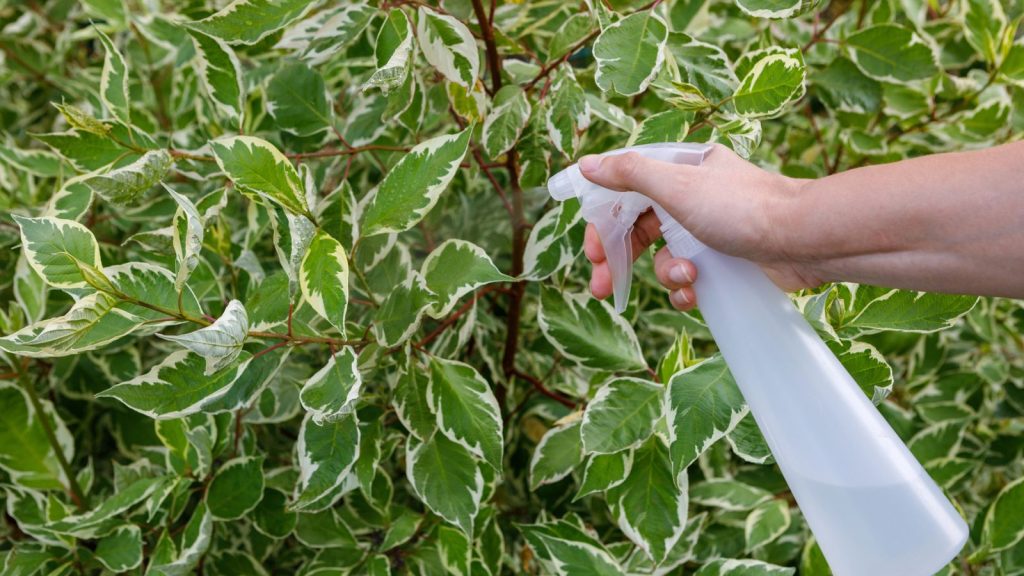
Baking soda-based spray mixes are often used together with neem or other essential plant oils to naturally control pests. Mix one teaspoon of baking soda and a few drops of soap in a quart of water.
The soda acts as a mild deterrent, while the oil smothers soft-bodied insects and eggs. Spraying weekly can slow down pests like aphids, whiteflies, and more.
10. Keep cut flowers fresh longer

Dissolve ½ teaspoon baking soda plus a pinch of sugar in the vase water. The soda helps maintain the pH level and keeps the water cleaner, while the sugar nourishes the stems. Your bouquet will stay colorful for longer and remain fresh all week long.
11. Clean birdbaths and garden fountains

Algae buildup on fountains or birdbaths can spoil the look and deter birds. Sprinkle baking soda on noticeable algae patches, gently scrub with a brush, and rinse thoroughly. Cleaning with baking soda is safe for fish and birds when rinsed thoroughly and doesn’t leave harmful chemicals behind.
10 Foods You Should Never Put in a Wild Bird Feeder
12. Soothe insect bites or stings while gardening

If you have been stung by a wasp or bitten by ants, make a paste of baking soda and water, apply it to the affected area, and leave it on for about 10 minutes. It helps to neutralize toxins, eases itching, and reduces swelling. It’s not a cure-all, but it’s a quick and handy fix you can keep right in your garden shed.
13. Clean plant pots and containers

Before reusing old pots, you’ll want them squeaky clean. Fill with warm water, add two tablespoons of baking soda, and scrub the inside with a brush. For stubborn stains, let them soak for an hour and then rinse thoroughly. Clean plant pots help reduce pathogen buildup and prevent the spread of plant diseases from one season to the next.
14. Deodorize gloves , shoes, and garden gear

Garden work can leave your
15. Remove pesticides from store-bought produce

After a day of grocery shopping, you can clean your vegetables with a baking soda solution. Mix a teaspoon of baking soda into a bowl of cool water and soak your produce for 2 minutes. Then, rinse thoroughly. Studies show that this simple step removes pesticide residues more effectively than water alone, and it’s a safe and effective detox hack at home.
11 Reasons Banana Peels Are the Secret Ingredient Your Garden Needs

Banana peels are not just kitchen scraps but an excellent way to enrich your garden. Here are 11 reasons banana peels can be your garden’s secret ingredient.
11 Reasons Banana Peels Are the Secret Ingredient Your Garden
12 Clever Ways to Use Up Leftover Orange Peels

The next time you peel an orange, think twice before tossing the peel. While many people see the peel just as something to throw away, it can actually be useful for things like skincare, cleaning, and cooking- proving that the outer layer of this popular fruit is as beneficial as its nutritious interior.


