Tomatillos, also known as husk tomatoes, are one of the most underrated yet versatile additions to a home garden. These tangy green fruits, native to Central America and Mexico, grow best with a bit of support from good companion plants.
While there are different varieties of tomatillos, most share the same growing habits and many of the same companion plants. Here are 15 companion plants that tomatillos grow happily beside.
1. Carrot

Carrots are one of the best companion plants for tomatillos.
Also, they attract beneficial insects to destroy common tomatillo pests. In return, tomatillos provide shade for
2. Garlic
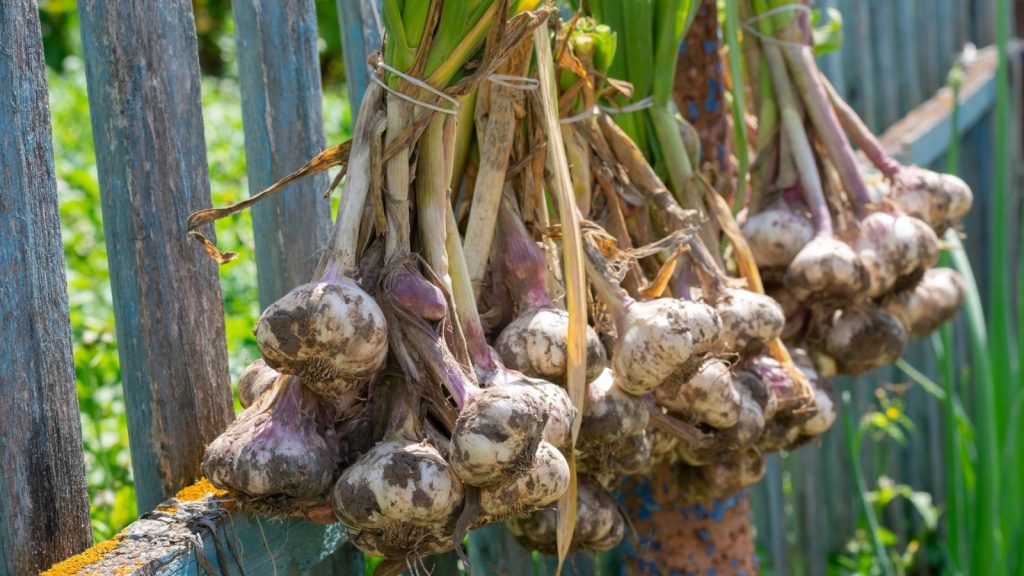
Garlic is another great companion plant for tomatillos. They create a better environment for tomatillos to grow, and they repel pests like spider mites and aphids.
3. Onions

Onions and tomatillos grow well together because they are mutually beneficial to each other. Onions are known for their pungent smell, which deters pests that might harm tomatillo plants. Tomatillos are also known for suppressing weeds that might slow down the growth of onions.
Onions require frequent watering, especially when their bulbs are growing. Additionally, provide the plant with at least 6 hours of sun daily. Onions thrive in USDA zones 5-9.
4. Basil

You must plant basil if you want to grow the healthiest and juiciest tomatillos. Basil helps improve soil health, which allows nutrients to circulate efficiently to your tomatillo plant. Also, it can influence the flavor of your tomatillos when grown nearby.
Basil is also famous for attracting ladybugs and parasitic wasps, which can tackle tomatillo pests. Only water your basil when the top of the soil feels dry, and ensure you water only until the soil is damp, not soaked. Basil requires at least 6-8 hours of sunlight daily and grows in USDA zones 10-11.
5. Cilantro

Cilantro is an essential companion plant for tomatillos, especially if you want a plentiful harvest. Cilantro naturally attracts pollinators, which helps in healthy fruit growth. It also has a strong scent that repels pests such as cutworms, mealybugs, whiteflies, and aphids.
Water cilantro frequently during early growth, then reduce the watering as they mature. Cilantro grows well in USDA zones 2-11, requiring 8 hours of direct sunlight per day.
6. Leaf Lettuce

Leaf
Leaf
7. Yarrow

You should grow yarrows next to your tomatillos if you’re looking to improve the biodiversity and ecosystem of your garden.
Yarrow grows best in USDA zones 3-9. It requires 6 hours of consistent sun and regular watering when the soil feels dry.
8. Nasturtiums

Nasturtiums are bright and vibrant flowering plants with a strong aroma that attracts hoverflies, which help control common pests of tomatillos. They can be the perfect ground cover for your tomatillo garden, as they help to retain and improve overall soil health.
Nasturtiums thrive in USDA zones 2-11 and need at least 6 hours of sun to grow well. They also require moderate and regular watering for bigger blooms.
9. Marigolds

Marigolds naturally attract pollinators to your garden, which will be beneficial for healthier tomatillo yields. They also attract beneficial insects to help control pests. Apart from this,
Marigolds require at least 6-8 hours of direct sun daily. They prefer damp soil to water-clogged soil and grow well in USDA zones 2-11.
10. Corn

Corn helps deter pests like spider mites and aphids from your garden. Their stalks can also provide support for tomatillo vines. These two plants have distinct root systems, which help retain nutrients and improve soil structure.
Plant corn in USDA zones 3-11, where it receives full sun. Also, frequently water the plant a week or two before the corn silk forms.
11. Borage

Borage is an excellent companion plant for your tomatillos. It is a low-maintenance plant that can help attract pollinators to your vegetable garden. Borage also leaves trace minerals, which can improve the health of your soil.
It requires at least 6-8 hours of sunlight daily in USDA zones 2-11. After which, you can shade them partially. During the early stage of growth, it’s essential to water them consistently.
12. Pepper

Pepper and tomatillos have similar nutrient requirements, so it makes sense to plant them together. Also, because tomatillos are not heavy feeders, there won’t be competition in your garden.
Pepper requires at least 6 hours of sunlight and consistent watering. It thrives in USDA zones 9 through 11.
13. Asparagus
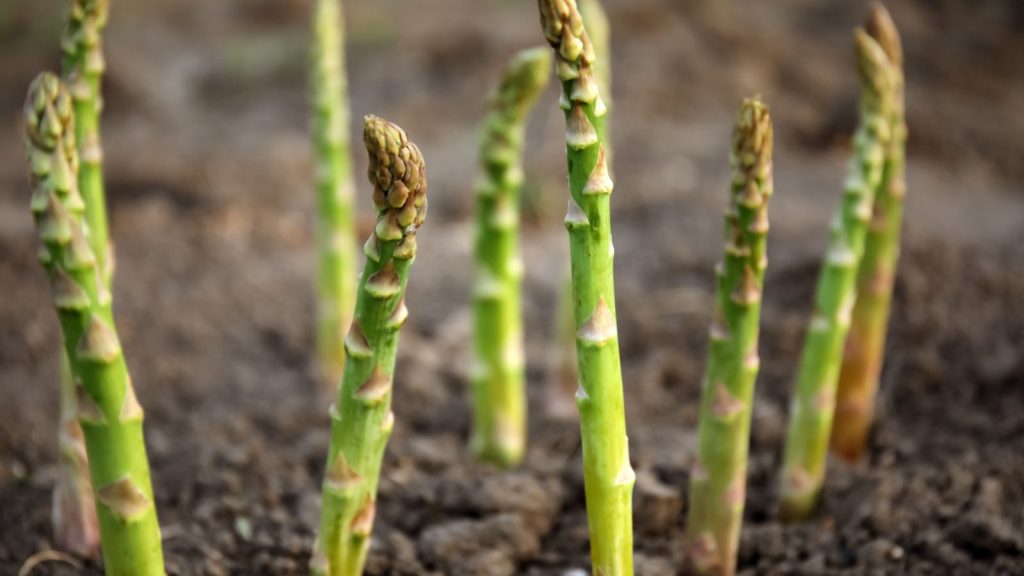
Asparagus and tomatillos are a combination that can never go wrong. Asparagus has natural toxins that destroy root-knot nematodes, which can be harmful to tomatillos. It also improves soil structure while tomatillos enhance soil fertility in return.
Asparagus thrives in full sun and can tolerate relatively dry conditions as it matures. It typically grows in USDA zones 3 through 10.
Related: Creamy Asparagus and White Bean Risotto
14. Beans

You should plant beans next to your tomatillos to increase the nitrogen in your soil. This legume is known to naturally add nitrogen to the soil through its roots. Beans require full sunlight and consistent watering to develop healthily. Beans grow in USDA zones 2 through 11.
15. Oregano

Oregano helps improve biodiversity in your garden by attracting pollinators, such as bees and butterflies. It’s also helpful in reducing weeds in your garden. Oregano grows in USDA zones 4-10. Moderately water your plant to prevent root rot. Also, provide at least 6 hours of sufficient sunlight daily.
Grow Juicier, Tastier Tomatoes with These 15 Companion Plants

Companion planting is an age-old gardening method that can help prevent common plant issues and boost crop yields. By using some of the best companion plants for tomatoes, your harvests will be better than ever. Here are the 15 best companion plants for your tomato garden.
Grow Juicier, Tastier Tomatoes with These 15 Companion Plants
How to Support Tomatoes: Tomato Stakes vs. Tomato Cages
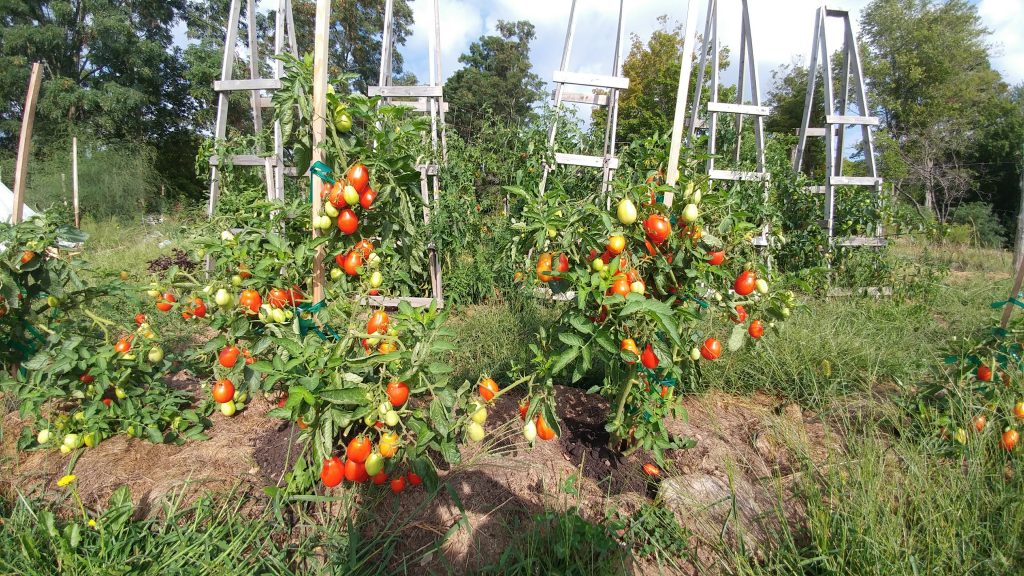
Supporting garden tomatoes with tomato stakes or cages is necessary for all but a few varieties of tomatoes. Without some form of support, your tomato plant will sprawl out over the ground. Here, we’ll share some considerations to help you make a choice that will work for your garden.
How to Support Tomatoes: Tomato Stakes vs. Tomato Cages
How to Properly Prune Tomato Plants

If you’re dealing with tomato plants that often get diseased, tend to droop, or look unhealthy, pruning should be on your gardening checklist. Here’s how you can properly prune your tomato plants.