
Every winter, I start with good intentions and a little optimism. I line up seed trays near a window, notice the light pouring in for a few afternoon hours, and convince myself it’ll be enough. Sometimes, a few seeds cooperate. Most of them don’t.
Winter light is inconsistent and unreliable. Days are short, and the sun sits low. And seedlings are honest about what they’re missing. They stretch, tip over, or stall completely—not because they’re fragile, but because they’re responding to the conditions they’re given.
That’s when I stopped treating grow lights like an upgrade and started seeing them as part of the plan.
Starting seeds indoors during winter is less about being fancy and more about filling in the gaps. When the sun can’t show up the way it does in spring, grow lights step in and keep things steady.

Why Winter Seedlings Need Extra Help
When you start seeds indoors, you’re trying to recreate something simple and powerful: the steady warmth of the sun and long, reliable days of light. Winter windows just can’t do that consistently. The light is weaker. The days are shorter. And seedlings notice.
Without enough light, they grow tall and thin, reaching for something that isn’t there. Without warmth, they stall or fail to germinate. It’s not that you did anything wrong—it’s just the season.
Grow lights help close that gap.
What Grow Lights Actually Do
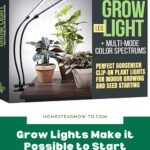
Grow lights provide consistent, overhead light that seedlings can depend on. Not just brightness, but balance. The kind of full-spectrum light that encourages strong stems, healthy leaves, and steady growth.
They don’t need to be complicated. Some setups are as simple as a single shop-style light hung a few inches above your trays. Others involve adjustable panels with timers and multiple settings. What matters most is placement—light close enough to reach the plants, moved higher as they grow.
Seedlings don’t want dramatic lighting. They want consistency.
Warmth Matters More Than You Think
Light alone isn’t always enough, especially in winter. Many seeds need warmth to germinate, and cold surfaces can slow germination.
Heat mats are thin, flexible mats placed under seed trays that provide gentle, steady warmth from below. They don’t heat the room; they just heat the soil. That little bit of extra warmth can mean faster germination and more even sprouting.
Once seedlings are up and growing, bottom heat is usually no longer needed. At that point, it’s about light and airflow letting them strengthen, not rush.
A Setup That Works Without Overthinking It
A simple winter seed-starting setup usually includes:
- Seed trays on a flat surface
- A heat mat underneath (for germination)
- A
grow light positioned just above the soil - A timer to keep light consistent, usually 12–16 hours a day
It doesn’t need to be perfect. It just needs to be steady.
That’s the part that makes the biggest difference, showing up the same way every day, even when it’s dark outside, and spring feels far away.
Watching Them Grow Changes Everything
Using grow lights in winter isn’t about forcing growth or speeding things up. It’s about removing stress. Giving plants what they need so they don’t have to fight for it.
And in the middle of winter—when everything outside feels paused—that small, dependable green progress feels like its own kind of promise.