Let’s be honest for a second. When you live with pets every day, you stop noticing certain smells. It’s not that your house is dirty. It’s not that you don’t clean. You’ve just gotten used to it.
Meanwhile, guests walk in and instantly pick up on the litter box, the dog bed, the couch your cat naps on, or that faint “wet fur” smell that lingers longer than you think.
It happens to almost everyone with pets. We become nose-blind.
The truth is, pet odors have a way of settling into carpets, upholstery, air vents, and even walls. Regular vacuuming helps, but it’s often not enough. If you want your home to smell clean to other people, not just to you, it takes a few extra steps and a little strategy.
Here are 18 practical ways to tackle pet smells at the source — and make sure your home smells as clean as you think it does.
Groom Your Pets Often

Regular grooming keeps your pets looking their best and helps control odors. Brushing them frequently removes loose hair and dander, reducing the particles that can cause smells.
Vacuum Regularly

Keeping your home odor-free starts with regular cleaning. Vacuum your floors frequently to remove pet hair, dander, and dirt that can contribute to unpleasant smells.
Keep the Litter Box Clean

If you have an indoor cat, keeping the litter box clean is essential. Scoop it daily and change the litter regularly to prevent odors from spreading. Consider using odor-absorbing cat litter or adding baking soda to help control the smell.
Wash Pet Bedding Regularly

Your pet’s bedding can hold onto odors, so be sure to wash it regularly. Follow the care instructions and use pet-safe detergent to keep it smelling fresh. Don’t forget to wash their blankets and pillows as well!
Clean Pet Toys and Accessories

It’s easy to overlook, but your pet’s toys, collars, and leashes can accumulate dirt and odors over time. Wash them with pet-friendly detergent or follow the manufacturer’s cleaning instructions.
Mop the Floors

For homes with hard floors, like wood or laminate, mopping regularly is crucial. Sweep up loose debris first, then mop to remove any lingering dirt and odors.
Change the Air Filter

Air filters trap dust, pet dander, and other airborne particles that can contribute to odors. Change your HVAC air filter every three months to ensure clean air circulates throughout your home.
Let Fresh Air In

Good ventilation is key to reducing pet odors. Open your windows regularly to let in fresh air, especially in areas where your pets spend the most time.
Tackle Shedding

Pet hair can hold onto odors, so staying on top of shedding is important. Regularly brush your pets to remove loose hair before it ends up on your furniture or carpets.
Use Pet-Friendly Air Fresheners
Choose air fresheners designed for homes with pets, or try natural options like essential oil diffusers or potpourri made from dried herbs and flowers.
Clean Your Couch
If your pet loves lounging on the couch, it might start to smell like them. Use an upholstery cleaner or steam cleaner to remove odors and stains from your furniture.
Deep Clean the Carpets
Carpets can absorb pet odors, so it’s essential to clean and deodorize them regularly. Use a carpet cleaner specifically for pet stains and odors, or hire professionals for a deep clean.
Wash Curtains and Linens
Curtains and other fabrics can trap pet odors. Check the care instructions and wash or dry clean them as needed. Fabric fresheners can also help neutralize any lingering smells.
Keep Surfaces Clean
Pets tend to explore all surfaces in your home, so wipe them down regularly with pet-friendly cleaning products to remove odors and keep your space smelling fresh.
Embrace Baking Soda
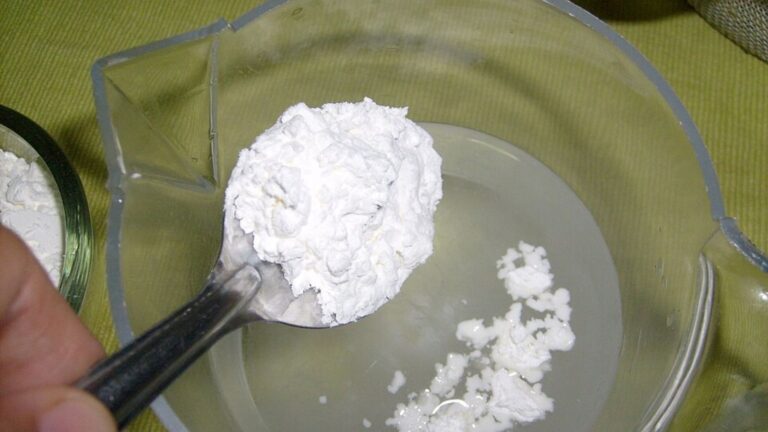
Baking soda is a natural odor absorber. Sprinkle it on carpets, rugs, and upholstery, let it sit for a few hours, then vacuum it up. You can also place an open box in litter boxes or other smelly areas.
Use an Air Purifier
An air purifier can effectively remove pet dander and other airborne debris, helping keep your home smelling clean and fresh.
Repaint if Necessary
If you’ve tried everything and still notice lingering odors, repainting might be necessary. To cover up any stubborn smells, use a stain—and odor-sealing primer before applying fresh paint.