Tomato cracking and splitting are a gardener’s nightmare. One moment, you’ve got perfectly looking, ripe fruit, and the next, it’s ruined with ugly gashes. Unfortunately, it’s a very common issue, especially when the weather or watering isn’t quite right.
Cracked tomatoes aren’t just unsightly; they’re also good entry points for diseases like blossom-end rot or fungal infections such as Botrytis. The good news is that these issues are nearly always preventable. Here are some important growing tips you can follow to keep your tomatoes happy, healthy, and free from cracks.
1. Water consistently and evenly

Tomatoes crack when they experience moisture stress, which is essentially a rapid shift from dry to overly wet conditions. To avoid this, water your tomato plants consistently, providing 1–2 inches of water per week. You can spread it out over two or three evenly spaced watering days to prevent drought-flood cycles.
Use a rain gauge to monitor and maintain consistency. Steady moisture keeps the plant stable and prevents the fruit’s skin from stretching too quickly as it develops.
2. Avoid dumping too much water after a dry spell
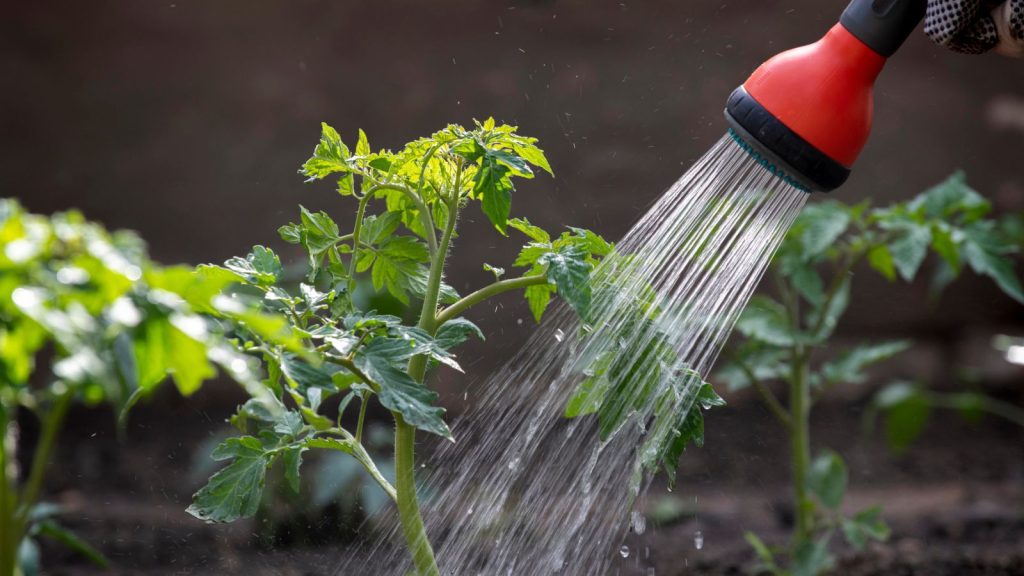
When the soil remains dry for a while and then suddenly receives a good dousing, tomato roots absorb water too quickly, sending it straight to the fruit, which causes it to swell and crack. Instead of compensating by overwatering at once, try giving your plants smaller amounts of water over a few days.
This gentle, steady approach helps the roots adjust slowly, allowing the fruit to grow more evenly without splitting.
3. Use mulch to regulate soil moisture

Add a 2–3-inch layer of organic mulch, using materials such as straw, shredded leaves, or compost, to help your soil retain moisture more effectively, especially during heat waves.
The mulch also reduces evaporation and weed growth. As an added advantage, the organic materials provide nutrients as they break down, thereby contributing to a better soil structure and improved root health.
4. Harvest tomatoes as soon as they ripen

Don’t wait for the tomatoes to fully turn red before harvesting them. Once they reach the breaker stage, where they feel slightly firm and the color is just beginning to turn, pick them. If tomatoes stay on the vine longer and overripen, their skin stretches and weakens.
Plus, removing ripe fruit alerts the plant to redirect its energy into producing new fruit rather than the old ones. This helps to keep the crop balanced and less prone to splitting.
5. Choose crack-resistant tomato varieties

Not all tomatoes are equally prone to splitting; for example, heirlooms often crack more than hybrids. Save yourself the hassle from the beginning by just opting for crack-resistant cultivars like Mountain Spring, Jet Star, and Pink Girl, which have been bred for better skin integrity.
Smaller-fruited types, such as cherry and grape tomatoes, also tend to crack less due to their smaller size and thicker skins. Many gardeners also report good results with hybrids like Juliet, Sweet Million, Rutgers, and Celebrity, though these are more anecdotal than research-confirmed.
6. Provide adequate drainage in garden beds and containers

When water pools around roots, it can stress your tomato plants and lead to cracked fruit. To prevent this, incorporate some compost and coarse sand into your garden beds, and ensure the containers have wide drainage holes. If water pools easily in your soil, consider raising the planting area or using containers on risers to keep the roots oxygenated.
7. Use drip irrigation or soaker hoses instead of overhead watering
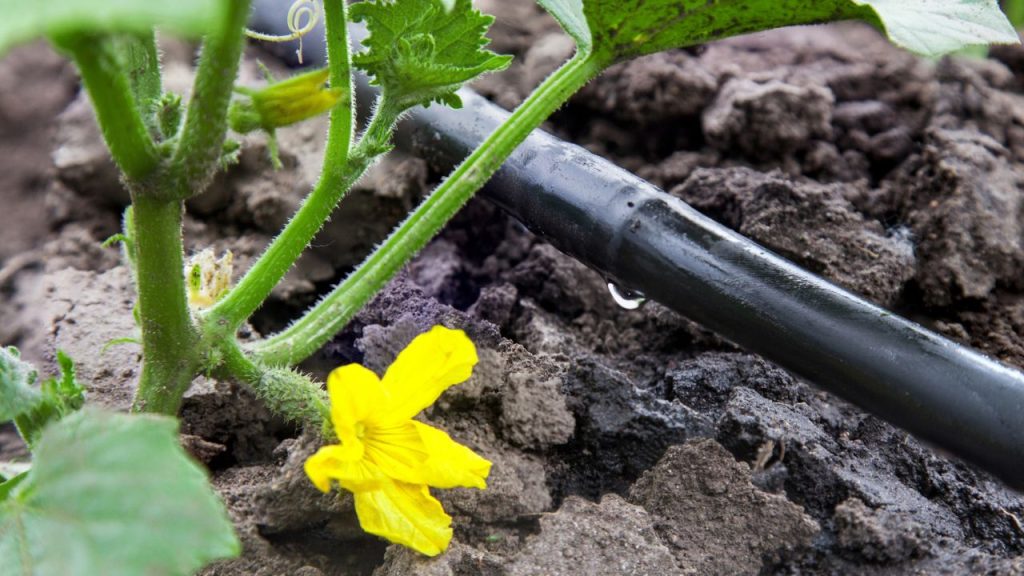
Watering directly at the base of the plant (where the roots are) keeps the soil moist without soaking the leaves. This is important because wet leaves can invite pests and diseases to your tomato plants.
Using a drip system or a slow, steady trickle provides your plants with water just as a gentle rain would. It also prevents the fruit from overheating or swelling too quickly, which helps prevent your tomatoes from cracking.
8. Avoid over-fertilizing, especially with nitrogen

Too much nitrogen causes plants to grow excessive leaves, which is beneficial for
Stick to low-nitrogen or balanced fertilizers, and consider using compost or slow-release organic blends to provide your tomatoes with a steady, gentle stream of nutrients over time.
9. Pick tomatoes during dry weather when possible
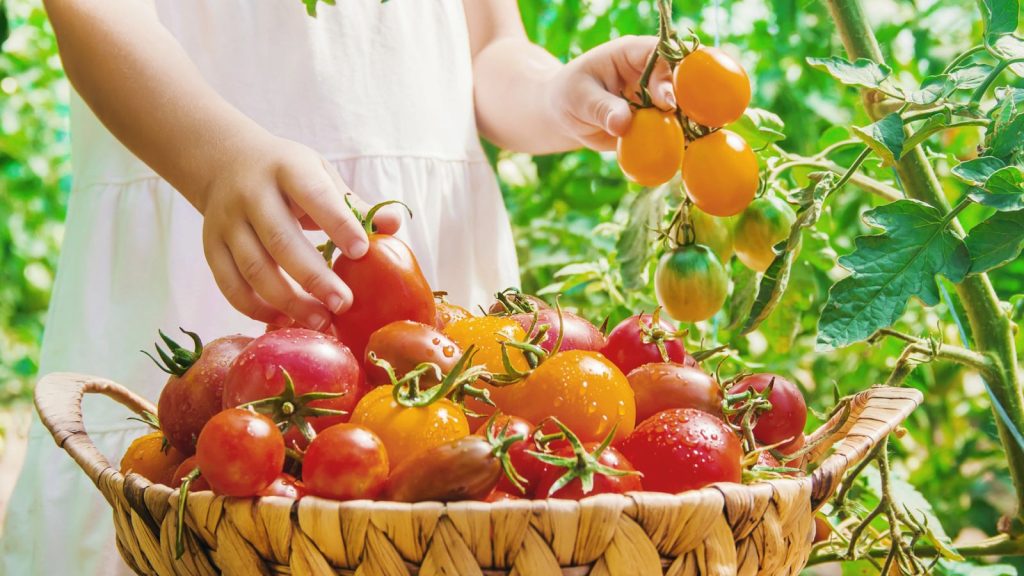
Moist air and wet weather can cause tomato skins to become soft and more prone to cracking. That’s why it’s best to pick them when the weather is dry. If it rains and you can’t harvest right away, grab the tomatoes while they’re still a bit unripe and let them finish ripening indoors. This helps prevent splitting and molding.
10. Shade plants during extreme heat waves

Extreme hot temperatures can cause tomatoes to grow too quickly and lead to heat stress. If a sudden temperature drop at night follows a heat wave, it can cause the tomato fruits to crack.
To prevent this, use adjustable shade cloth (30–50%) during heat waves or place spun-bond row covers temporarily. It helps slow fruit expansion from a spike in internal temperatures and keeps your plants healthier.
11. Monitor weather forecasts and adjust watering accordingly

Stay prepared by checking the forecast regularly. If heavy rain is expected, reduce or skip a watering session. If it’s expected to get hotter, increase hydration slightly, but make sure to avoid sudden surges and water at a steady pace. Planning helps keep the fruit stable and prevents cracks from moisture stress.
12. Thin foliage moderately for better air circulation

Too many leaves can trap moisture around your tomato fruits, which can contribute to splitting and disease. Once your plants start growing fruit, remove the lower leaves and excess suckers, especially in dense places.
You can leave a canopy layer to provide shade from the sun. Trimming helps moisture evaporate evenly and dries out the tomato fruit more consistently.
13. Reinforce fruit stems during heavy fruit sets

If tomatoes grow too fast without support, they can start to crack near the stem. You can gently stake or support heavy tomato clusters with soft, wide ties to prevent damage. Also, avoid tying tightly over the stems to give them room to expand without being squished.
14. Space plants properly to prevent overcrowding

When tomatoes are too close, they compete for water, and air flow decreases, encouraging moisture spikes.
Use the following spacing guidelines when planting your tomatoes: Grow determinate tomato types 24–36 inches apart and indeterminate varieties 36–48 inches apart. This spacing allows roots to receive consistent moisture while keeping plants dry and crack-resistant.
15. Avoid high-salt fertilizers that stress plants

Fertilizers with too much salt can mess with your tomato’s water balance and make the fruit crack. To be safe, choose organic or slow-release fertilizers without high sodium levels. Compost teas and balanced organic blends are better options overall.
16. Gently twist or snip fruits off the vine to prevent skin damage

If you handle the tomato fruits roughly while picking them, it can bruise the skin (or worse, cause it to crack). The right way to harvest tomatoes is by holding the fruit near the stem and twisting gently. Alternatively, you can use sharp
17. Adjust soil moisture when planting in containers

Containers heat up faster, which causes soil moisture to evaporate quickly. Use large pots to buffer temperature changes, and line them with moisture-retaining materials (like coconut coir) to keep both the temperatures and water content stable. Adding mulch on top also helps keep the roots cool and hydrated.
Grow Juicier, Tastier Tomatoes with These 15 Companion Plants

Companion planting is an age-old gardening method that can help prevent common plant issues and boost crop yields. By using some of the best companion plants for tomatoes, your harvests will be better than ever. Here are the 15 best companion plants for your tomato garden.
Grow Juicier, Tastier Tomatoes with These 15 Companion Plants
How to Support Tomatoes: Tomato Stakes vs. Tomato Cages
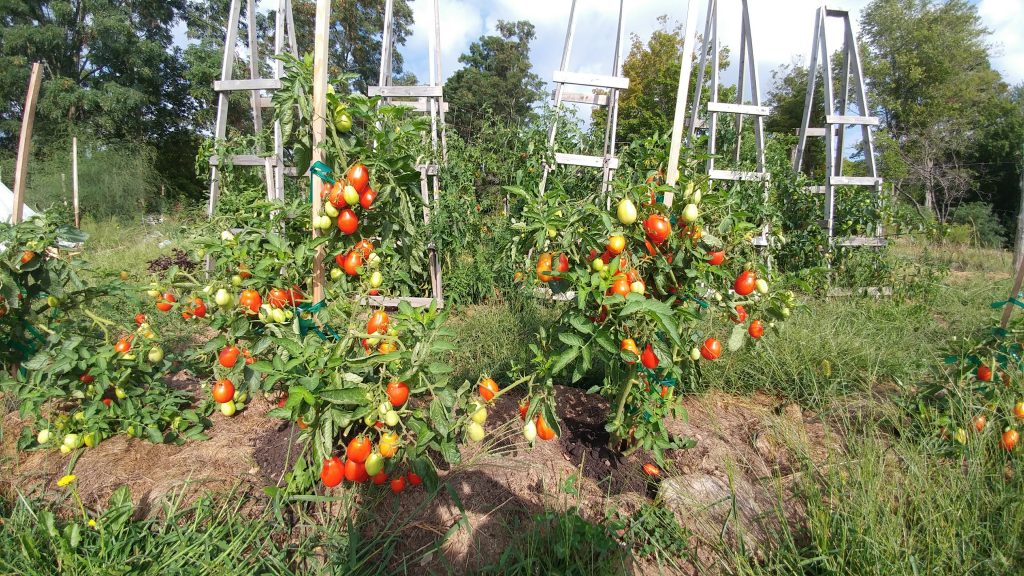
Supporting garden tomatoes with tomato stakes or cages is necessary for all but a few varieties of tomatoes. Without some form of support, your tomato plant will sprawl out over the ground. Here, we’ll share some considerations to help you make a choice that will work for your garden.
How to Support Tomatoes: Tomato Stakes vs. Tomato Cages
How to Properly Prune Tomato Plants

If you’re dealing with tomato plants that often get diseased, tend to droop, or look unhealthy, pruning should be on your gardening checklist. Here’s how you can properly prune your tomato plants.