
Deadheading acts like the refresh button in the garden. It helps you get rid of scraggly-looking, fading flowers, improves air flow, and gives way for fresher, tidier flowers to grow. It’s one of the ways you can get the best out of your perennials in their blooming window. That said, here are 15 perennials you should cut back in the summer for better flowers.
1. Salvia (Salvia spp.)
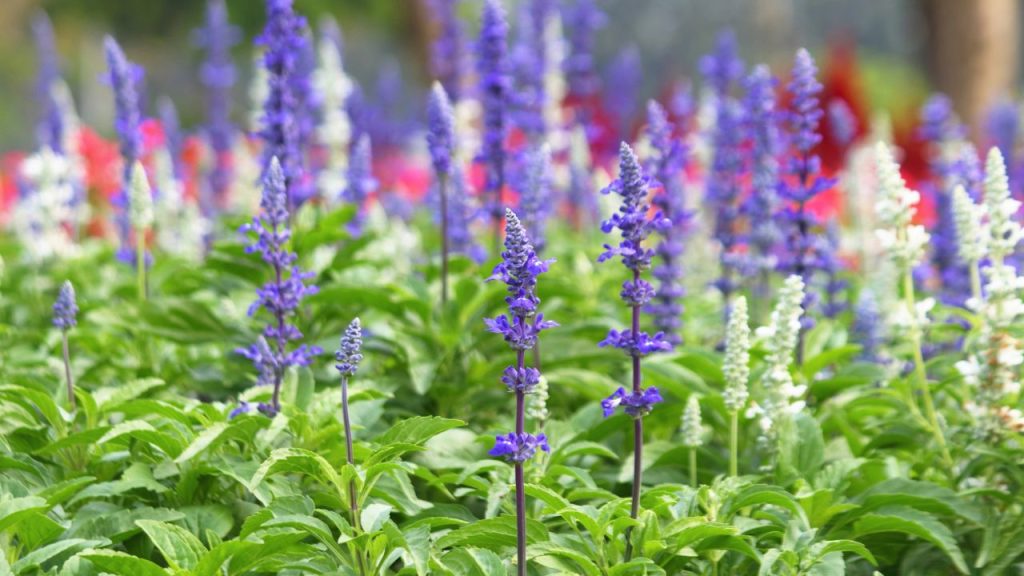
The first flush of flowers salvia produces is glorious, but by midsummer, they start to fizzle out, looking tired and crisp around the edges. Instead of letting it go to seed, you can cut it back to produce fresh blooms within a few weeks.
Use clean
2. Cranesbill (Geranium ‘Rozanne’)

By midsummer, Cranesbill can start sprawling everywhere, with sparse looking flowers and foliage that’s starting to turn a bit yellow around the edges. A trim helps focus its energy on pushing out fresh leaves and more blooms.
You don’t need to be precise when cutting, shear it back by about half, aiming to remove the tired top growth. Within a couple of weeks, you’ll see new green foliage filling in and fresh buds forming. You can fertilize and water after cutting to help the plant recover more quickly.
3. Coneflower (Echinacea)
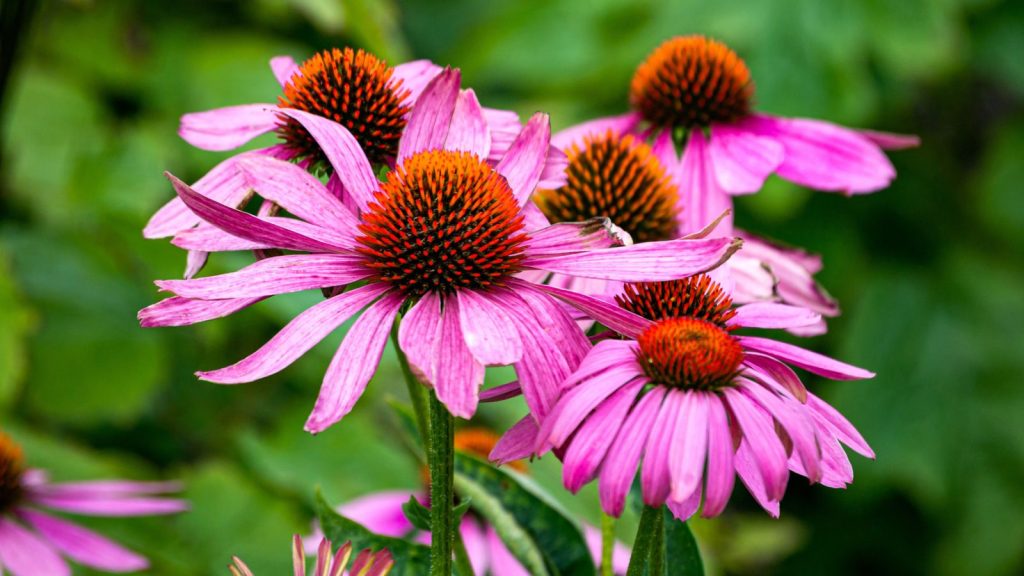
Coneflowers can bloom for a long time, but individual flowers fade and dry out on the stem, making the plant look ragged midseason. Cutting back spent flower heads helps to tidy it up but also encourages more side shoots with new blooms.
Use clean pruners to snip just above a healthy leaf node. You can leave a few dried seed heads if you like, they’re a great food source for birds, but trimming most of them keeps the plant blooming longer. Plus, you reduce self-seeding if you don’t want a
4. Black-eyed Susan (Rudbeckia)

Black-eyed Susans are cheerful and easy flowers. However, after their first bloom, you need to step in and offer some assistance by deadheading, or they’ll struggle. Cut off individual faded flowers or entire stems at the base once the stalk has finished blooming.
This encourages more buds to form and keeps the patch looking lively, rather than dried out. If your
5. Tickseed (Coreopsis)
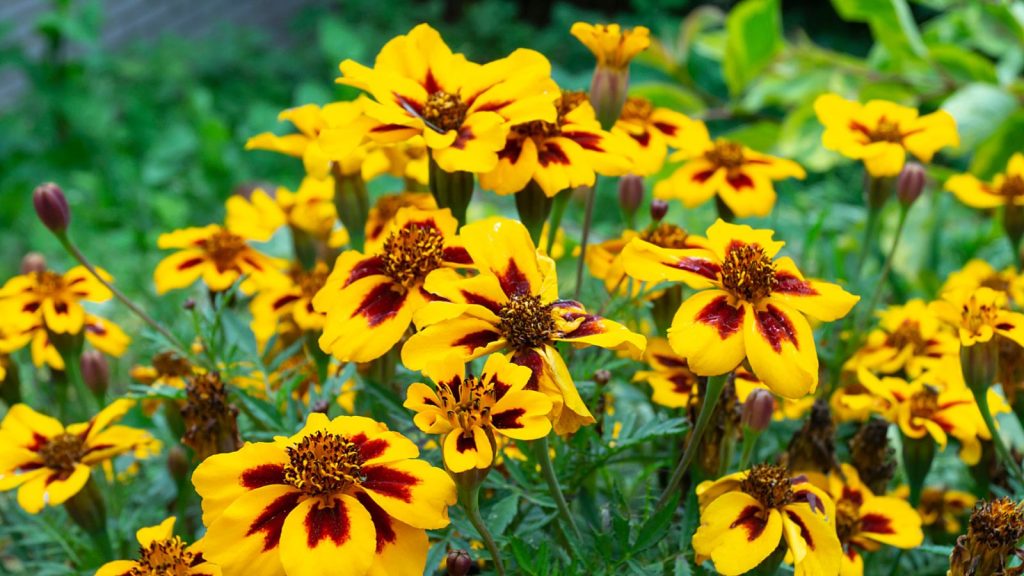
Tickseed blooms nonstop, but only if you keep up with its maintenance. By mid-to-late summer, older plants, in particular, can become lanky and produce fewer flowers. Lightly shear off the top third of the plant when the first blooms fade. Newer plants are still sterile and don’t need deadheading, but if yours looks tired, a little trim will still freshen it up.
6. Catmint (Nepeta)
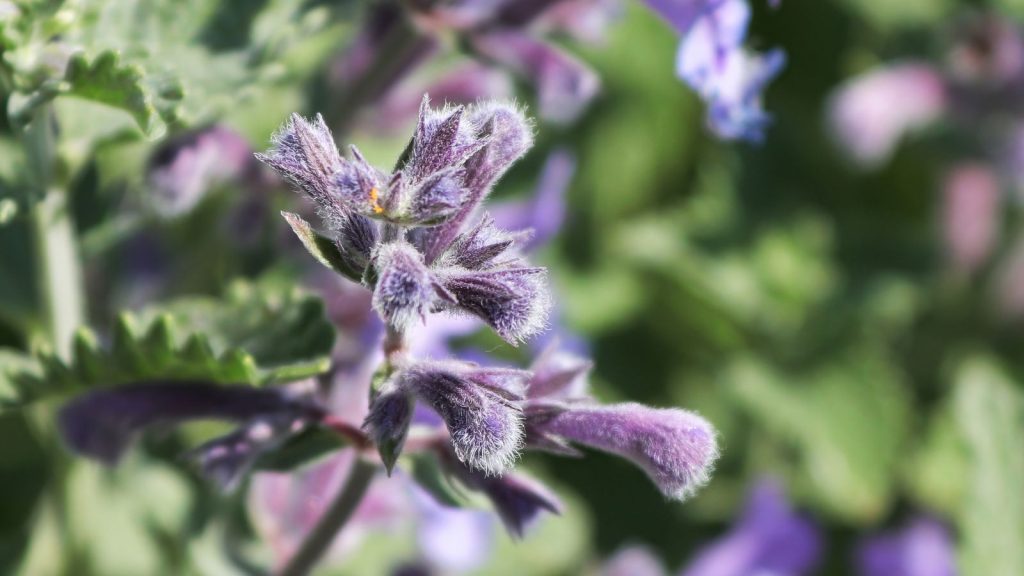
Catmint often gives gorgeous flowers in spring, but al that changes by midsummer. It can start to look floppy and spent, with flower spikes browning and the mound opening up. The best fix is to cut the whole plant back by half or even two-thirds.
You’ll usually get a second flush of soft, fragrant foliage and new blooms within a few weeks. Water well afterward, and add a little mulch to keep the roots cool. It’ll grow back even fuller than before.
7. Beardtongue (Penstemon)

Beardtongue produces tubular flowers that attract hummingbirds. However, once flowering slows down, the plant can appear somewhat ragged. To keep it blooming, snip off spent flower spikes down to a healthy leaf or shoot. This encourages new branches to form, often with more buds.
If the whole plant is leggy or top-heavy, you can shear it back by about one-third to help it refocus its energy. Don’t overwater afterward, as beardtongue prefers a drier environment.
8. Garden Phlox (Phlox paniculata)
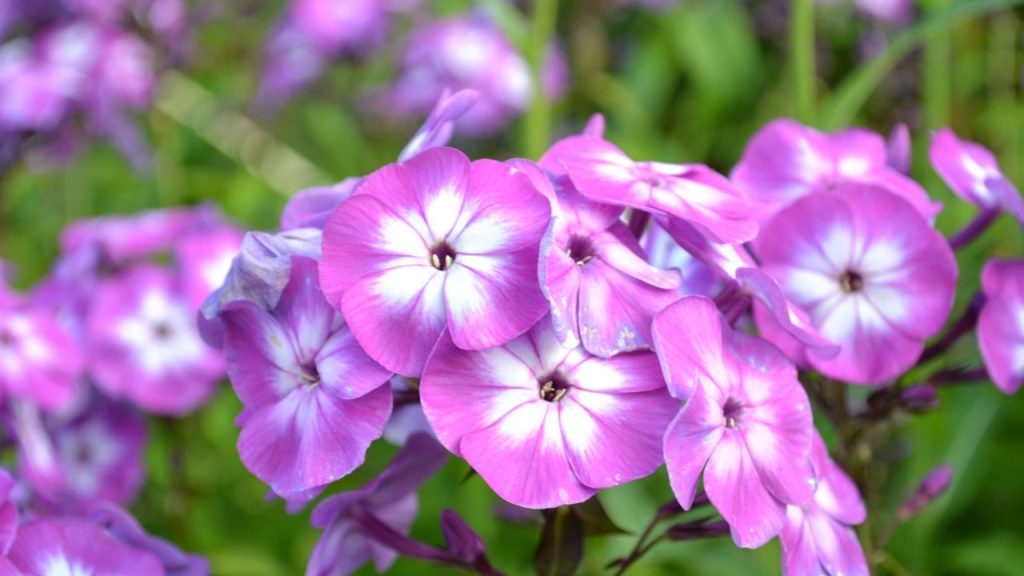
Garden phlox blooms well in the summer, but without proper maintenance, it can develop mildew or simply start to fade. Once that happens, deadhead by cutting stems down to a side shoot or leaf joint.
If you want a second bloom, trim about one-third of the plant after it has flowered. It helps redirect energy into regrowing more flowers. Thinning out crowded stems also helps improve airflow and prevent mildew, especially in humid weather.
9. Yarrow (Achillea millefolium)

Cut back
10. Blanket Flower (Gaillardia)
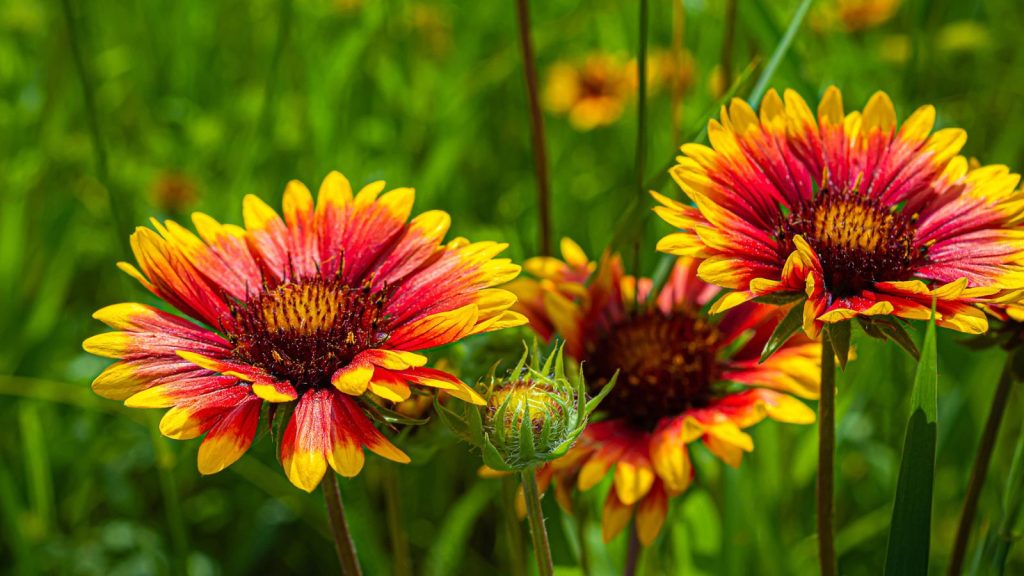
If you don’t deadhead
Blanket flower is a drought-tolerant plant that thrives in heat and poor soil, so it doesn’t need too much maintenance, keep trimming and it’ll keep blooming.
11. Speedwell (Veronica)

Once the spires of the Speedwell flower start to brown at the tips, it’s time to trim them. Cut back the flower stalks and lightly shape the plant to encourage a second flush of flowers. Doing this in early to mid-summer gives it just enough time to recover and bloom again before fall. Plus, this also helps prevent mildew, which Speedwell can be prone to in humid conditions.
12. Shasta Daisy (Leucanthemum × superbum)
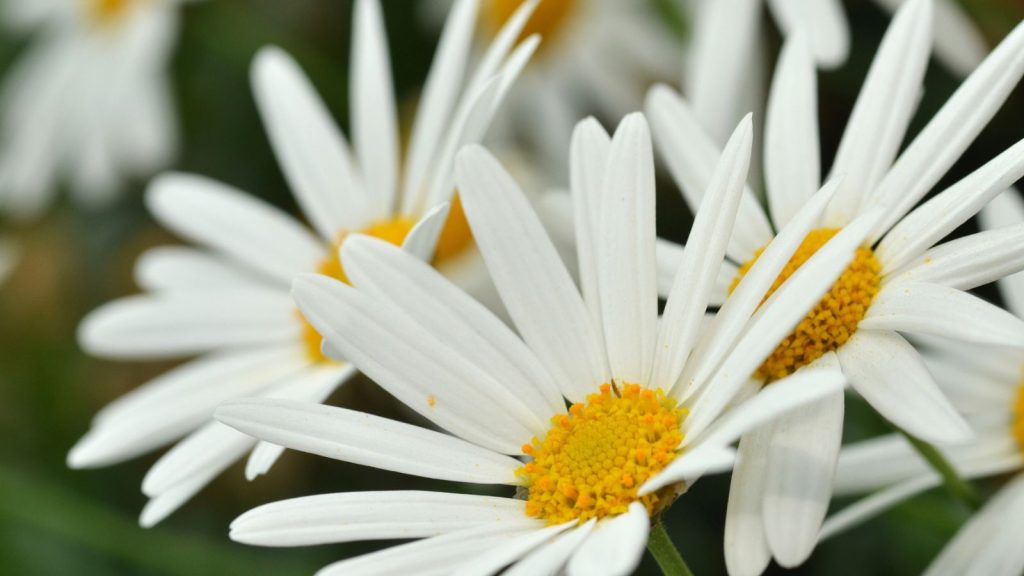
Shasta daisies are cheerful white-petaled daisies that perform even better when deadheaded in summer months. You can safely shear them back by about a third to encourage new buds to form, especially if your summer isn’t too dry. Deadheading also keeps the clumps neat and prevents legginess. Just be sure to leave enough foliage so the plant can still photosynthesize and fuel its next round of blooms.
13. Anise Hyssop (Agastache)

Anise Hyssop produces tall, spiky flowers that attract pollinators like crazy. Deadheading the spent blooms (and a few inches of stem) signals the plant to produce new growth and potentially flower again in late summer or early fall.
This also keeps the plant bushier and less likely to flop over during storms. Be careful not to cut too deep; just cut above a healthy set of leaves.
14. Bellflower (Campanula)

Some bellflowers have a charming cottage look that can quickly go scraggly in midsummer. Once the blooms start to fade, give the whole plant a cut down to the basal foliage (that’s the leafy part at the base). This stimulates the growth of more flowers and also helps prevent fungal issues that like to cling to old stems.
15. Coral Bells (Heuchera)

Coral Bells have colorful leaves that often take center stage, even surpassing their flowers. Unlike most other plants on this list, deadheading Coral Bells is not about stimulating new growth of flowers, but to ensure the fading flowers don’t distract from the beauty of the leaves. In fact, flowers don’t regrow, but you’ll get a better-looking plant with lush, full leaves.
I’ve Grown Tomatoes for Years —These Are the Tips That Actually Work
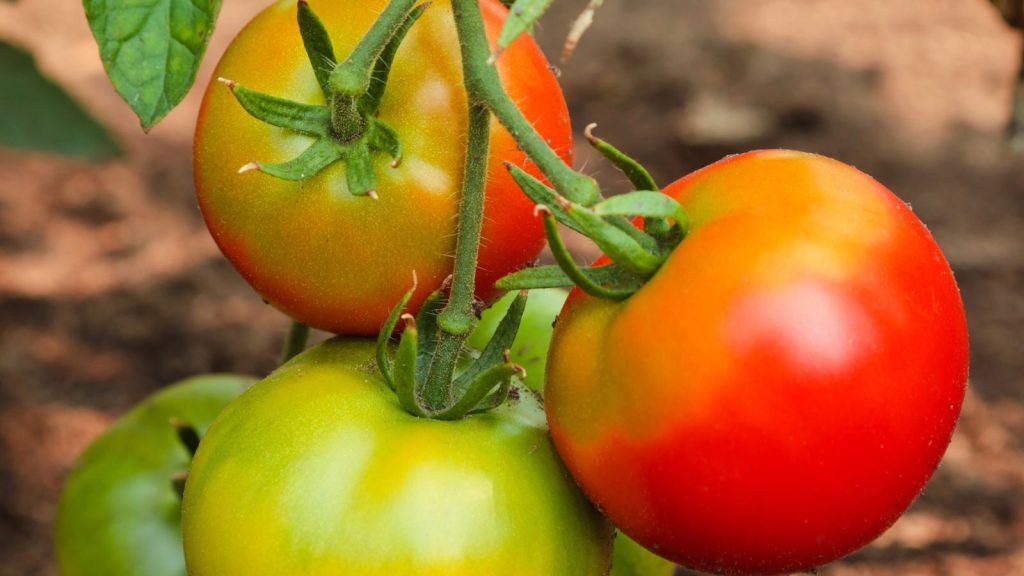
f you’re tired of trial and error and need advice that actually yields results, here are 18 tips that’ll help you grow the best tomatoes of your life.
I’ve Grown Tomatoes for Years —These Are the Tips That Actually Work
15 Enchanting Plants for a Classic English Garden
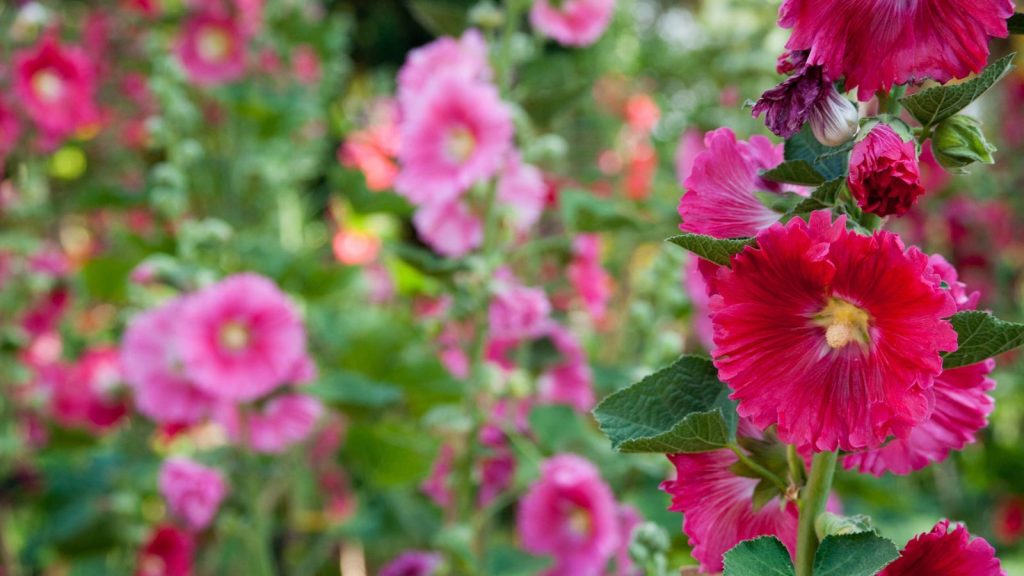
More people are embracing the romantic, free-flowing style of English gardens. Here are some must-have plants to bring that English charm to your garden.
15 Enchanting Plants for a Classic English Garden
30 Native Plants That Will Draw Beautiful Birds to Your Yard

If you want to attract more birds to your garden, the right plant choices can make all the difference. Here are 16 native plants that will attract a variety of birds.
30 Native Plants That Will Draw Beautiful Birds to Your Yard

Sandra Enuma
Sandra Enuma is a writer who's as comfortable with a trowel as she is with a keyboard. She’s passionate about sharing simple, down-to-earth tips to help you start and manage your own home garden, no matter your experience.