Nothing beats the crisp, refreshing taste of a homegrown cucumber. Whether you’re growing long heirloom varieties or crunchy pickling types, there’s something deeply satisfying about harvesting your own.
Cucumbers are easy to grow but thrive best when paired with the right companion plants. Companion planting involves growing certain plants together to enhance growth, deter pests, and improve soil health. The right companions can help cucumbers flourish, while the wrong ones may stunt their growth, attract disease, or compete for essential nutrients.
Choosing supportive plant neighbors ensures a healthier, more productive harvest. If you’re planning your cucumber patch, here are some of the best plants to grow alongside them.
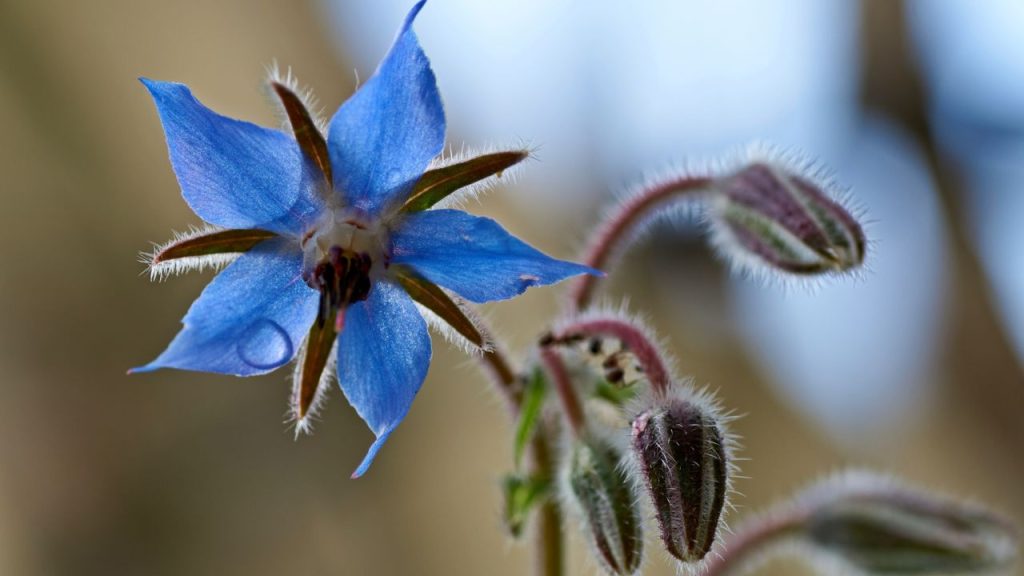
Borage
Image Credit: Deposit Photos
Borage is a fast-growing annual that makes an excellent companion plant in the garden, especially for cucumbers. One of its biggest benefits is its ability to attract pollinators and beneficial insects, such as bees and predatory wasps, which help improve cucumber yields and control pests naturally.
However, borage tends to grow large and bushy, so regular pruning is essential to prevent it from overwhelming nearby cucumber plants.
As a bonus, borage flowers are edible and have a subtle, refreshing cucumber-like flavor. They make a great addition to salads, drinks, or garnishes, offering both visual appeal and a mild, crisp taste.
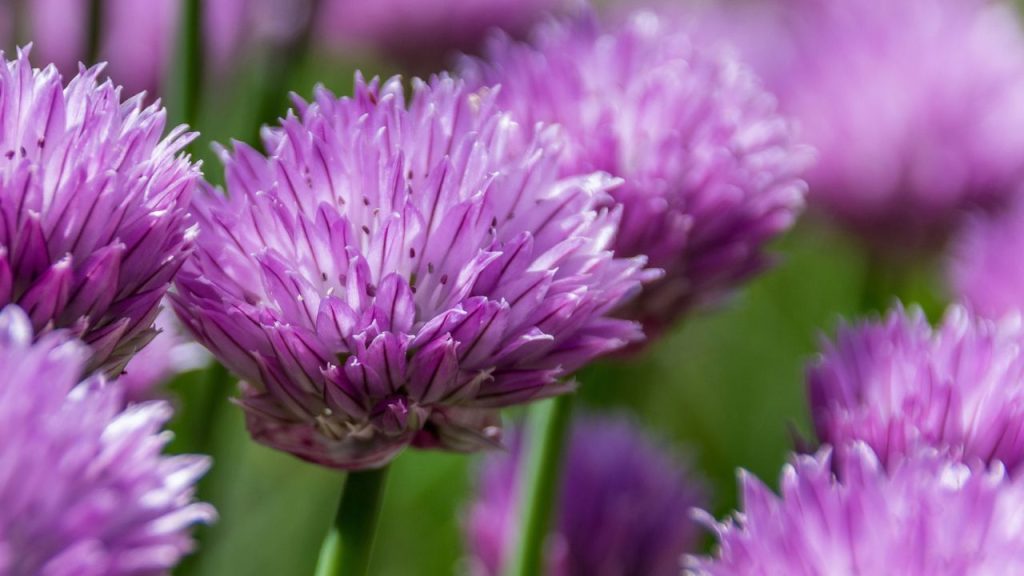
Chives
Image Credit: Deposit Photos
Chives are an excellent companion for cucumbers, offering natural pest control. Their distinct aroma is a natural deterrent to cucumber beetles—one of the most destructive pests that can harm cucumber plants. By planting chives nearby, you create a protective barrier that helps keep these pests at bay, reducing the need for chemical interventions.
Marigolds
Image Credit: Deposit Photos
Marigolds are pretty much the superheroes of the vegetable plot. Very few crops don’t benefit from this pretty orange-flowered plant!
The scent of marigolds helps to repel white flies, thrips, and squash bugs and deter deer and squirrels, all of which can wreak havoc on your cucumber crop. Marigolds also attract beneficial insects that improve pollination rates in cucumber plants.
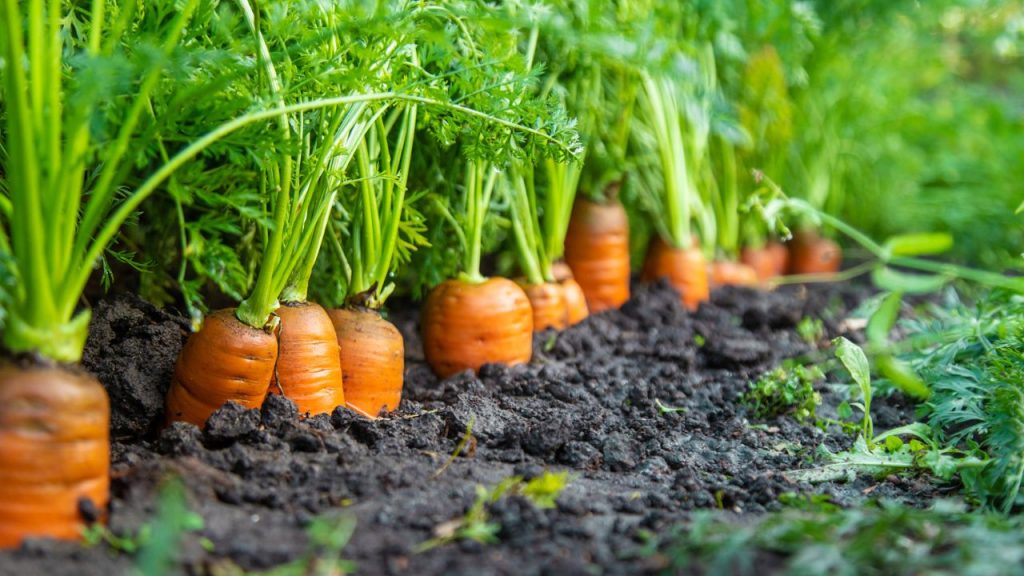
Planting carrots and cucumbers in the same area is a great way to maximize the use of space in your garden. Fast-growing cucumber plants climb rapidly upwards, casting shade on carrots planted below. In turn, the carrots act as ground cover, reducing evaporation from the soil and suppressing weeds.
Growing onions through the warmer months can be tricky as they struggle to grow well in the hot sun. However, growing onions in the shade of a row of cucumber plants is a game-changer, resulting in giant, crisp onions that flourish in damper ground. In return, the smell of onion leaves will deter troublesome pests that like to colonize cucumber plants.
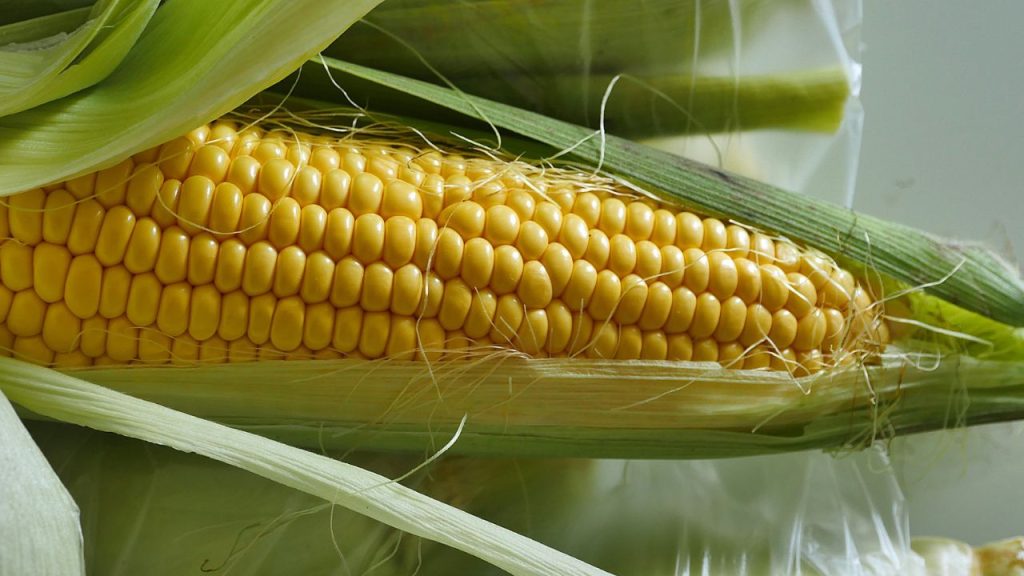
Corn
Image Credit: Deposit Photos
Corn plants grow strong and tall, creating a natural framework that supports your cucumber plants. Corn should always be grown in a block to maximize pollination, so plant cucumbers around the edges to ensure they are easy to harvest. This companion planting method is ideal for smaller cucumber plants such as pickling and mini snack-size varieties.
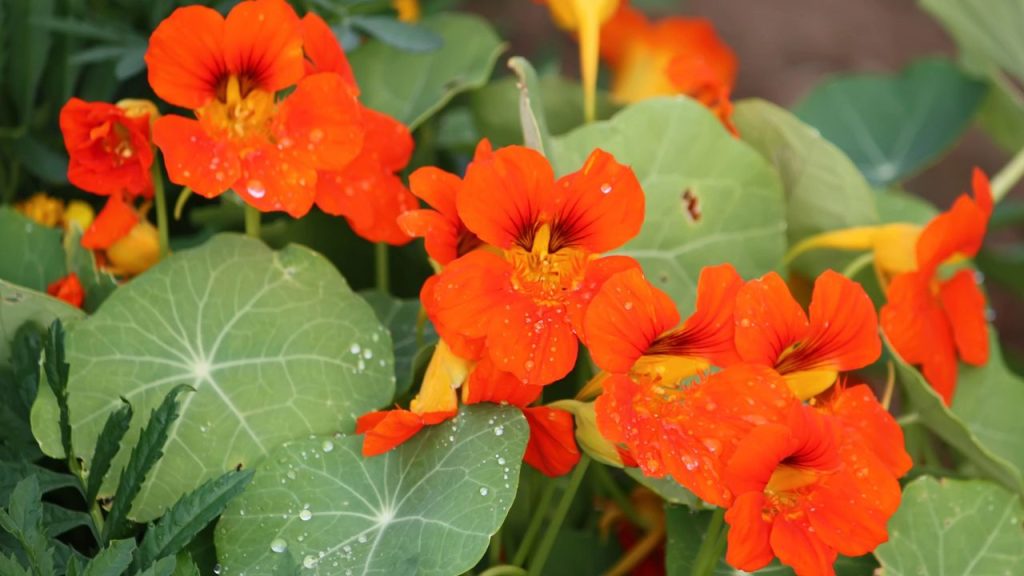
If you struggle with aphids on your cucumber plants, grow some nasturtiums nearby. These colorful edible plants act as a trap crop, luring away aphids and leaving your cucumbers to thrive. Nasturtiums are also great for attracting beneficial insects, such as ladybugs, which help reduce aphid populations throughout the garden.
Dill
Image Credit: Deposit Photos
The delightful yellow flowers of dill plants attract parasitoid wasps – nature’s pest control team! These flying insects feed on common garden pests, reducing the need for insecticides in the garden. Dill is also the perfect herby accompaniment to cucumbers, particularly if you’re a big fan of pickles.
Peas
Image Credit: Deposit Photos
Pea plants can take nitrogen from the atmosphere and lock it into the soil around their roots, making this essential nutrient available to your cucumbers and other plants. Grow single rows of cucumbers and peas side-by-side to boost growth while ensuring both crops are easy to harvest.
Radishes are a fast-growing crop that benefits from the shade provided by cucumber plants. In turn, they provide excellent ground cover, helping to suppress weeds and reduce evaporation of moisture from the soil. Radishes can be ready to harvest in just a few weeks, so remember to sow them at regular intervals for a continuous crop.
Lettuce
Image Credit: Deposit Photos
Lettuce flourishes in cool temperatures and consistently moist soil, producing crisp, tender leaves that are perfect for fresh salads. Its shallow root system allows it to grow easily in garden beds, containers, or raised beds, where moisture levels can be carefully maintained to support rapid growth.
Paired with the right companion plants, lettuce benefits from natural shade and improved soil conditions, helping it stay hydrated and extend its growing season. Under ideal conditions, it matures quickly, often ready for harvest in less than 30 days, making it a rewarding addition to any vegetable garden.
Celery pairs well with cucumber. Its shallow root system won’t compete with cucumbers for deep soil nutrients. Celery also thrives in the same cool-season conditions, making it a great companion for an extended growing season.
Garlic
Image Credit: Deposit Photos
Garlic gives off a pungent aroma that is thought to repel many common garden pests. This low-growing allium will not compete with cucumbers for nutrients and will benefit from being grown in the shade. Studies have also shown that garlic can help reduce fusarium wilt, a fungal disease that can quickly decimate cucumber plants.
Sunflowers
Image Credit: Deposit Photos
Robust, fast-growing varieties of sunflowers can form a natural trellis for vining cucumber plants. In addition, sunflowers have been shown to increase pollination in cucumber crops, thanks to the beneficial insects the flowers attract.
As cucumber plants can get quite heavy you may need to provide additional support later in the growing season.
Bush beans are low-growing plants that create excellent ground cover while locking essential nitrogen into the soil. The leafy growth of cucumbers creates the perfect shady conditions for bush beans to thrive, making this a very beneficial partnership.
Beets
Image Credit: Deposit Photos
Beets will happily occupy the space around cucumber plants without competing for nutrients. Their leafy growth will shade the soil and suppress weed growth, leaving the cucumber plants free to vine upwards. Beets grow best when sown in small clumps of three or four plants, ideal for filling the gaps between cucumber plants.
Oregano is a perennial herb much loved by gardeners for its pest-repellent abilities. Insects such as aphids and squash bugs steer clear of the pungent aroma of oregano, while the delicate flowers attract beneficial pollinating insects. Like most herbs, a few oregano plants dotted around your vegetable plot can reap huge rewards.
Pole Beans
Image Credit: Deposit Photos
Pole beans will climb happily up the same trellis as cucumber plants, fixing nitrogen in the soil as they go. Bean flowers are beautiful to pollinating insects, boosting your cucumber crop yield. Space cucumber and pole bean plants slightly farther apart than usual for easier harvests.
Lentil plants grow well in the leafy shade created by cucumber plants and, as they can be planted quite densely, will help to keep weeds at bay. As they are in the same plant family as peas and beans, lentils can fix nitrogen in the soil, which boosts cucumber plant growth.
12 Plants to Grow Alongside Your Blueberry Bushes to Keep Them Happy
Image Credit: Deposit Photos
Planting the right companion plants near blueberry bushes can help to ensure successful fruiting. Here are some plants that you should grow alongside blueberry bushes to help them thrive.