
Prepping in the city plays by a different set of rules. When most people think about survival planning, they picture rural homesteads with backyard gardens, root cellars, and enough space to stockpile a mountain of supplies. But if you’re living in an apartment or a small urban home, you don’t have that luxury—and you probably don’t have a secret bunker either.
Urban survival isn’t about hoarding a year’s worth of food or stashing 100 gallons of water under your bed. It’s about being smart with the space you have, knowing how to adapt on the fly, and making the most of limited resources.
Whether you’re prepping for blackouts, supply chain disruptions, or just want to be more self-reliant in a concrete jungle, these practical strategies can help you get a strong start.
1. Stock Up on Multi-Purpose Items

Items like baking soda,
2. Create a DIY Water Filtration System

Have a water filter and purification options on hand. Keep bleach on hand and rotate it out every six months. You may not be able to store a lot, but you can source water and then purify it.
3. Vacuum-Seal Foods

Vacuum sealing extends shelf life and saves space in the pantry. Store rice, beans, and dehydrated fruits to maintain a long-term food supply. This also allows you to buy in bulk and portion the items into a size that works for you and your family.
4. Use Mylar Blankets for Insulation

Mylar blankets are cheap, lightweight, and highly effective at retaining heat. Line windows with them to trap heat during cold seasons or use them as emergency blankets. The blankets are the size of a credit card, although a little thicker. They take little space and can be found for less than two bucks a piece.
5. Repurpose Old Containers for Emergency Storage
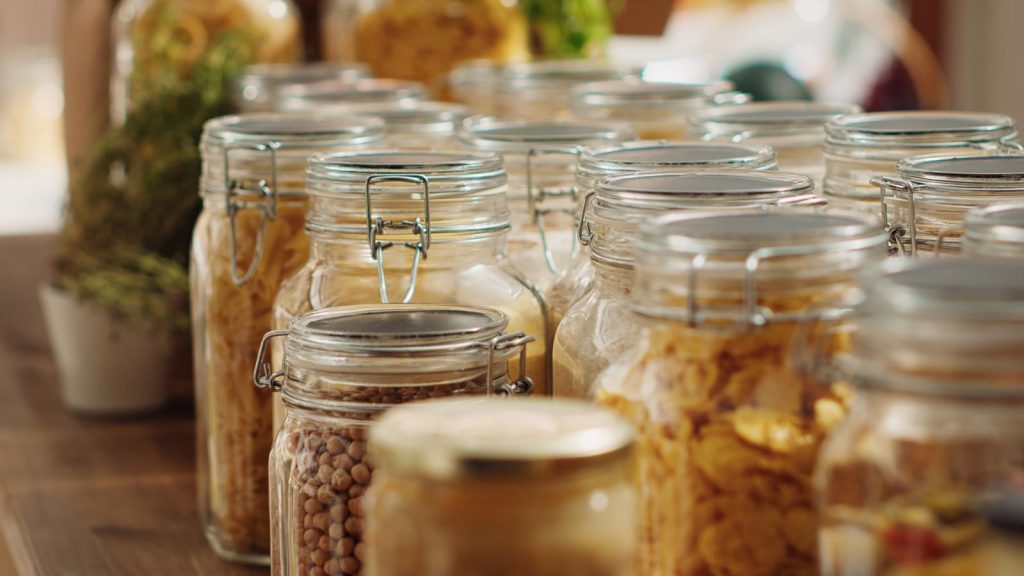
Plastic soda bottles can be used to store water, while coffee cans make excellent dry food storage or emergency candle holders. Coffee containers and juice containers are also excellent storage containers.
6. Keep a Stash of Small Denominations of Cash

During a crisis, ATMs and card systems may be down. Small bills ensure you can buy essentials without relying on credit cards or Apple Pay. In an urban situation, you will have a short time period to buy essentials from your many stores.
7. DIY Emergency Lights from Crayons or Cooking Oil

A single crayon can burn like a candle for 30 minutes, while a glass jar filled with cooking oil and a wick provides long-lasting illumination. Save candle ends and the bottoms of jar candles that don’t burn and pour them into a jar to create another candle.
8. Make a Hidden Stash for Valuables
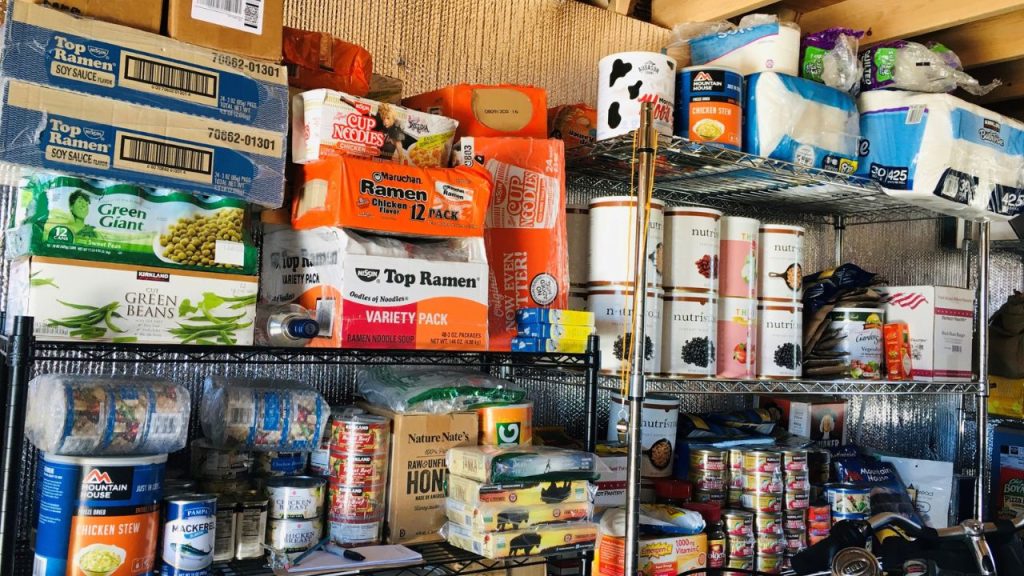
Use common household items—like empty food cans, deodorant containers, or old books—to create hidden storage spots for cash and important documents. In a city setting, your biggest challenge isn’t just the lack of space—it’s other people.
When resources get scarce, more people means more competition, so it’s smart to keep your supplies, especially food, well-hidden and out of sight.
9. Learn Alternative Cooking Methods
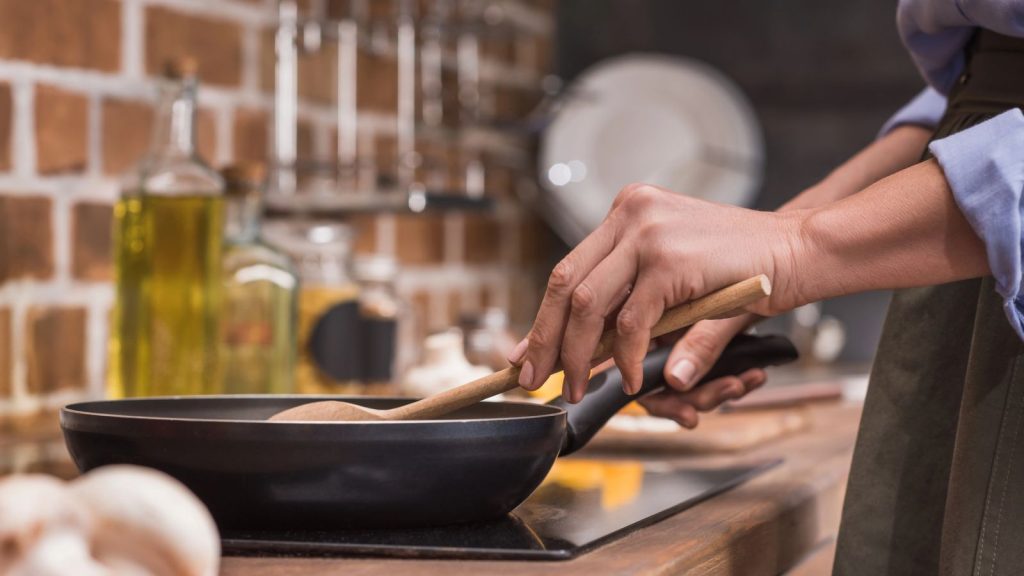
Keep a small rocket stove, solar oven, or alcohol stove for off-grid cooking in your apartment. In an emergency, a simple tin-can stove can also be made with common household items.
10. Store Water in Every Possible Space

At the first sign of an emergency, fill your bathtubs, sinks, and any clean containers with water. This gives you a quick backup supply in case the tap runs dry. A WaterBOB is especially useful—it’s a heavy-duty liner that lets you safely store up to 100 gallons of water in your bathtub before service is disrupted.
11. Use Vinegar as a Disinfectant

White vinegar is a cheap and effective natural disinfectant. It can be used for cleaning, food preservation, and even as an emergency antibacterial solution. Keep several gallons.
12. Train Yourself in Basic First Aid

Knowing how to treat wounds, perform CPR, and handle minor medical emergencies can be lifesaving. Keep a first aid manual and a well-stocked kit on hand.
13. Use Pool Shock for Water Purification

Calcium hypochlorite, also known as pool shock, is a long-lasting option for purifying water. It only takes a small amount to disinfect several gallons, making it ideal for emergency water treatment. Unlike liquid bleach, it’s shelf-stable for years and won’t lose its potency over time.
14. Have a Communication Backup Plan

A battery-powered or
15. Keep an Everyday Carry Kit

A compact kit with a pocket knife,
How to Prepare an Emergency Bug-Out Bag (For Any Situation)
18 Survival Skills Our Great-Grandparents Knew That Most Of Us Today Don’t

Many activities were once essential survival skills, but today, they’ve been forgotten by many. While technology has certainly made life easier, previous generations didn’t have these systems, making them far more self-sufficient. Here are 18 basic skills they mastered that many people today have no idea how to do.
18 Survival Skills Our Great-Grandparents Knew That Most Of Us Today Don’t
19 Survival Items You Should Stockpile from Dollar Tree

Stockpiling can get expensive, but Dollar Tree offers affordable items that can help you stay prepared without overspending. With plenty of useful options, Dollar Tree makes it easier to stay ready for anything. Here’s a list of 15 essential items you can find at Dollar Tree to start building your stockpile today.
19 Survival Items You Should Stockpile from Dollar Tree
12 Things to Make at Home Instead of Buying from the Grocery Store

Making more things at home can significantly reduce your grocery list while living more sustainably. Here’s a list of simple items you can easily make yourself instead of purchasing them from the store, helping you take a step toward a more self-reliant lifestyle.
12 Things to Make at Home Instead of Buying from the Grocery Store
15 Plants Every Prepper Should Grow for a Self-Sustaining Survival Garden

True preparedness lies in sustainability—cultivating food and plants that can support your family when trips to the store or pharmacy are no longer an option.
15 Plants Every Prepper Should Grow for a Self-Sustaining Survival Garden

Tamara White
Tamara White is the founder ofThe Thrifty Apartment, a home decor and DIY blog that focuses on affordable and budget-friendly home decorating ideas and projects. Tamara documents her home improvement journey, love of thrifting, tips for space optimization, and creating beautiful spaces.