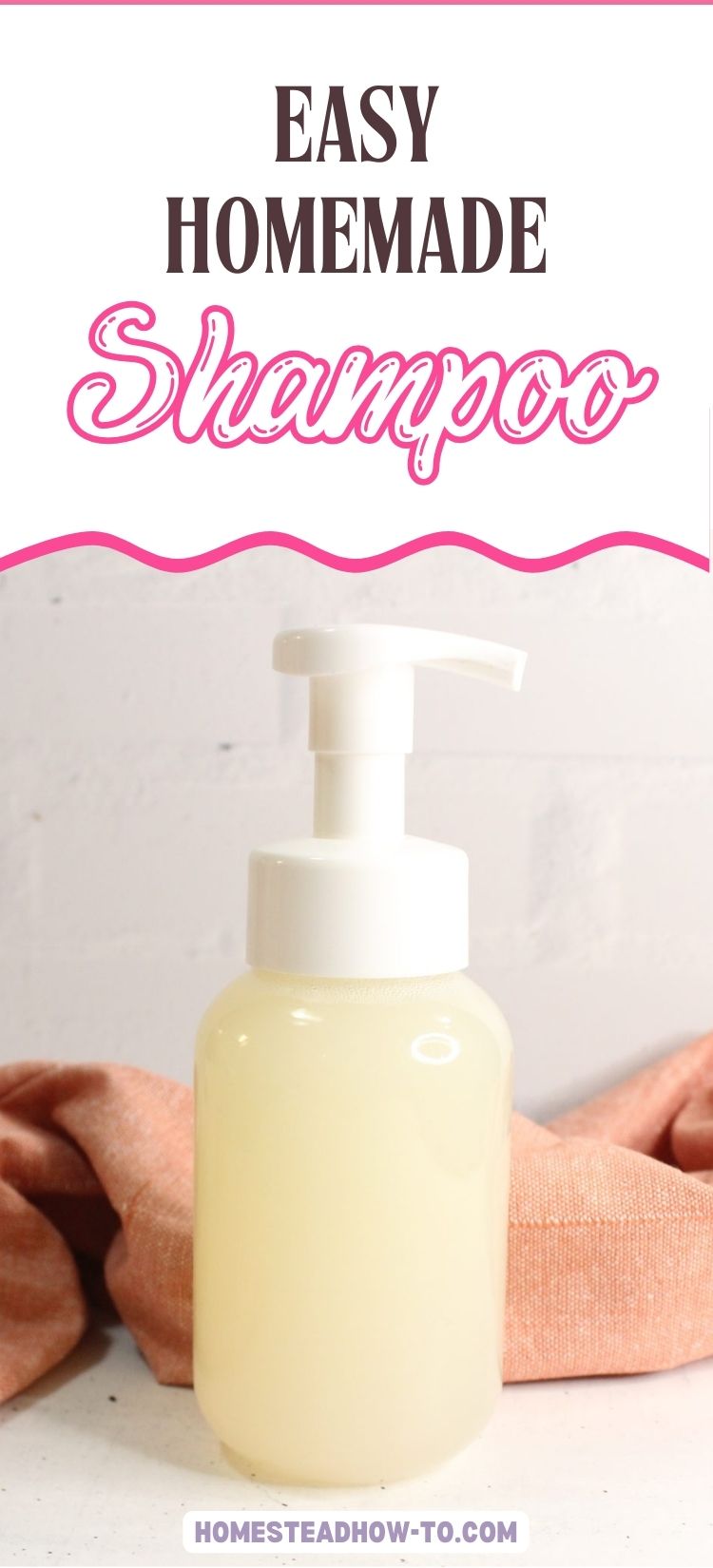
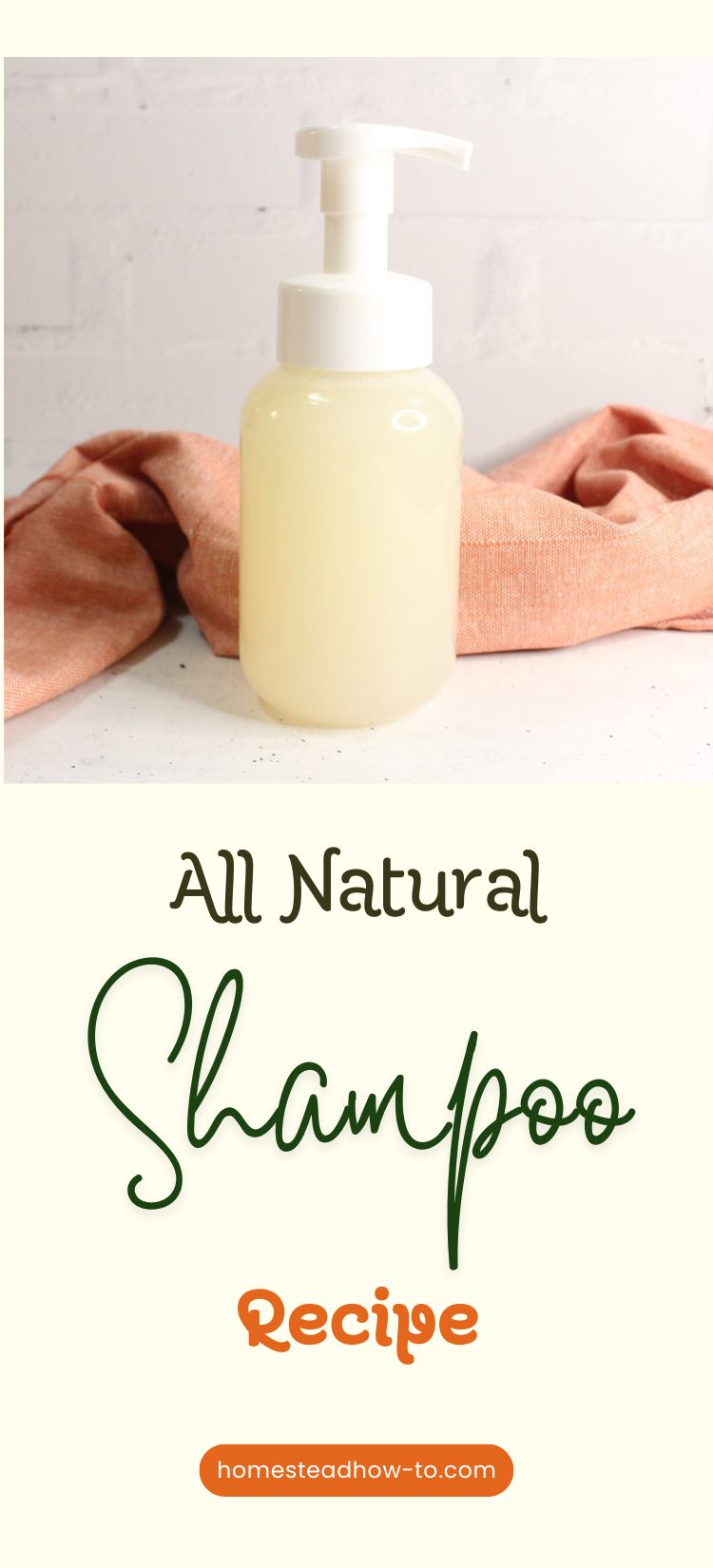
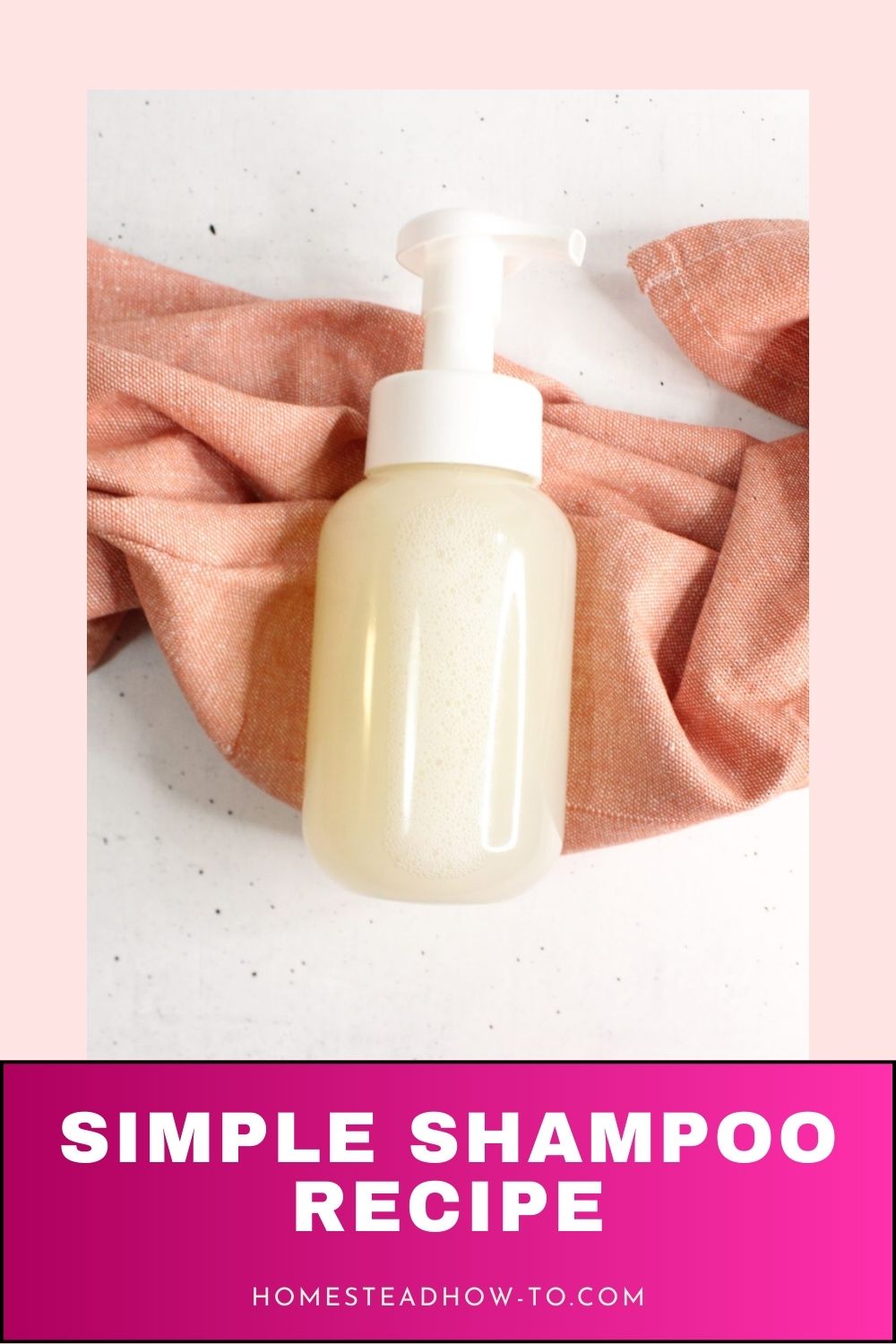
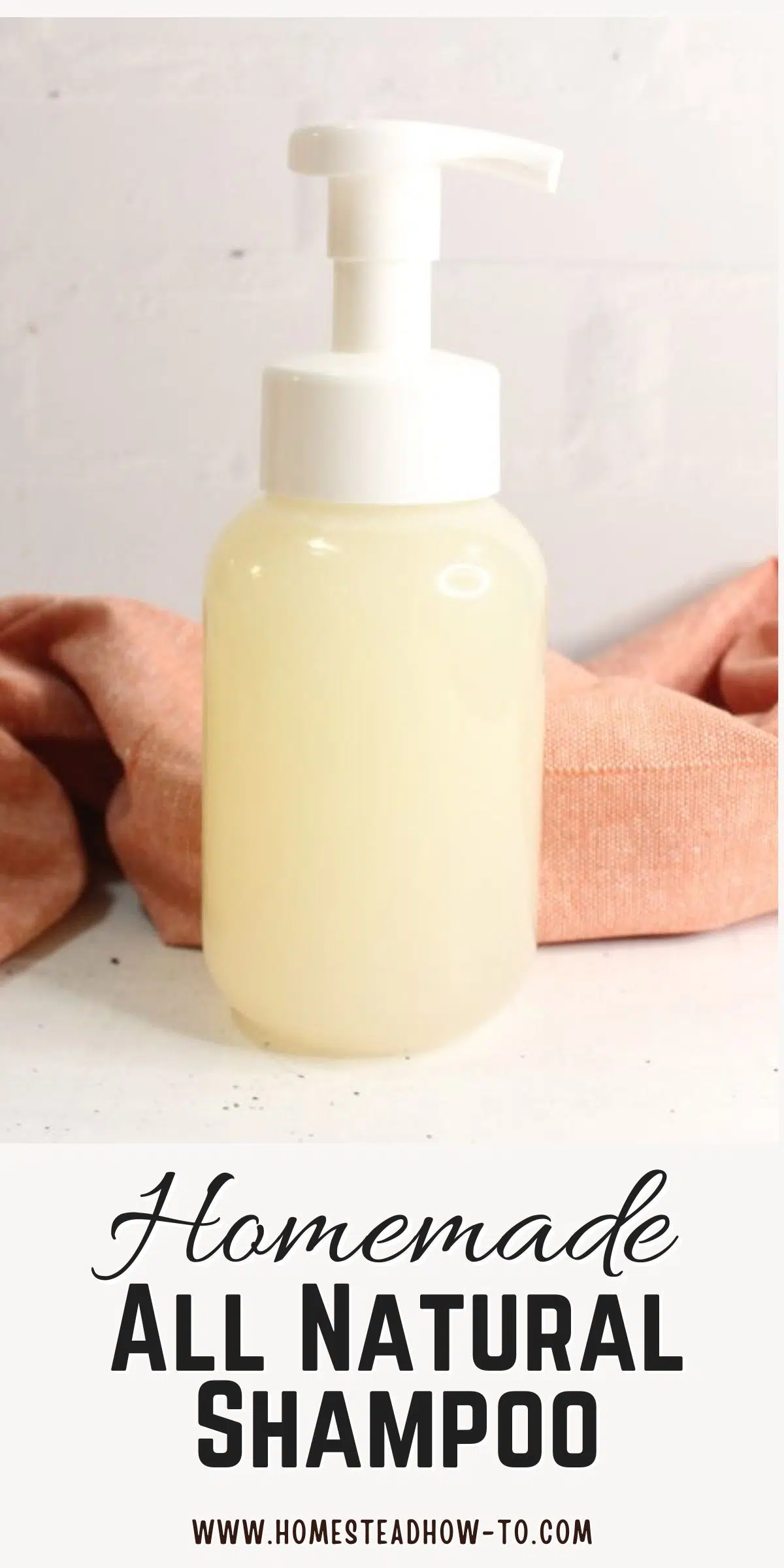
If you’ve ever looked at the ingredient list on a bottle of shampoo, you might have wondered whether you could make something similar at home. The good news is that making your own shampoo is pretty simple, and you only need a few ingredients to get started.
This homemade shampoo recipe uses castile soap, avocado oil, and essential oils to cleanse your hair without a long list of added ingredients. Avocado oil adds moisture, while castile soap helps remove dirt and buildup.
Making shampoo at home can also be an affordable alternative to buying specialty hair products, especially if you already have some ingredients on hand. Here’s how to make your own natural shampoo, plus a few things to know before using it.
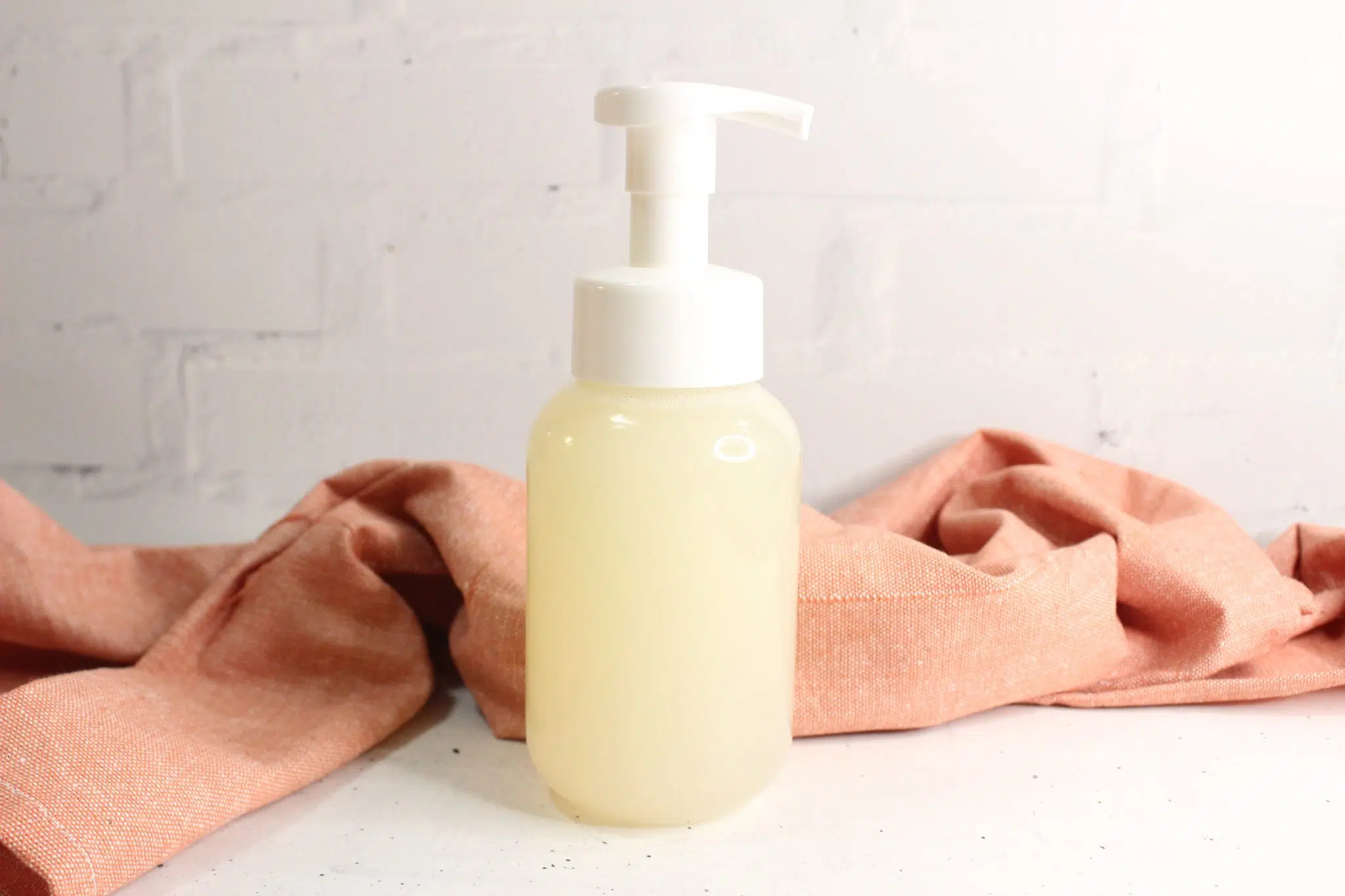
Ingredients
- 1/4 cup of castile soap
- 1/4 cup of Water
- 1 teaspoon olive oil (or preferred carrier oil like castor or jojoba oil)
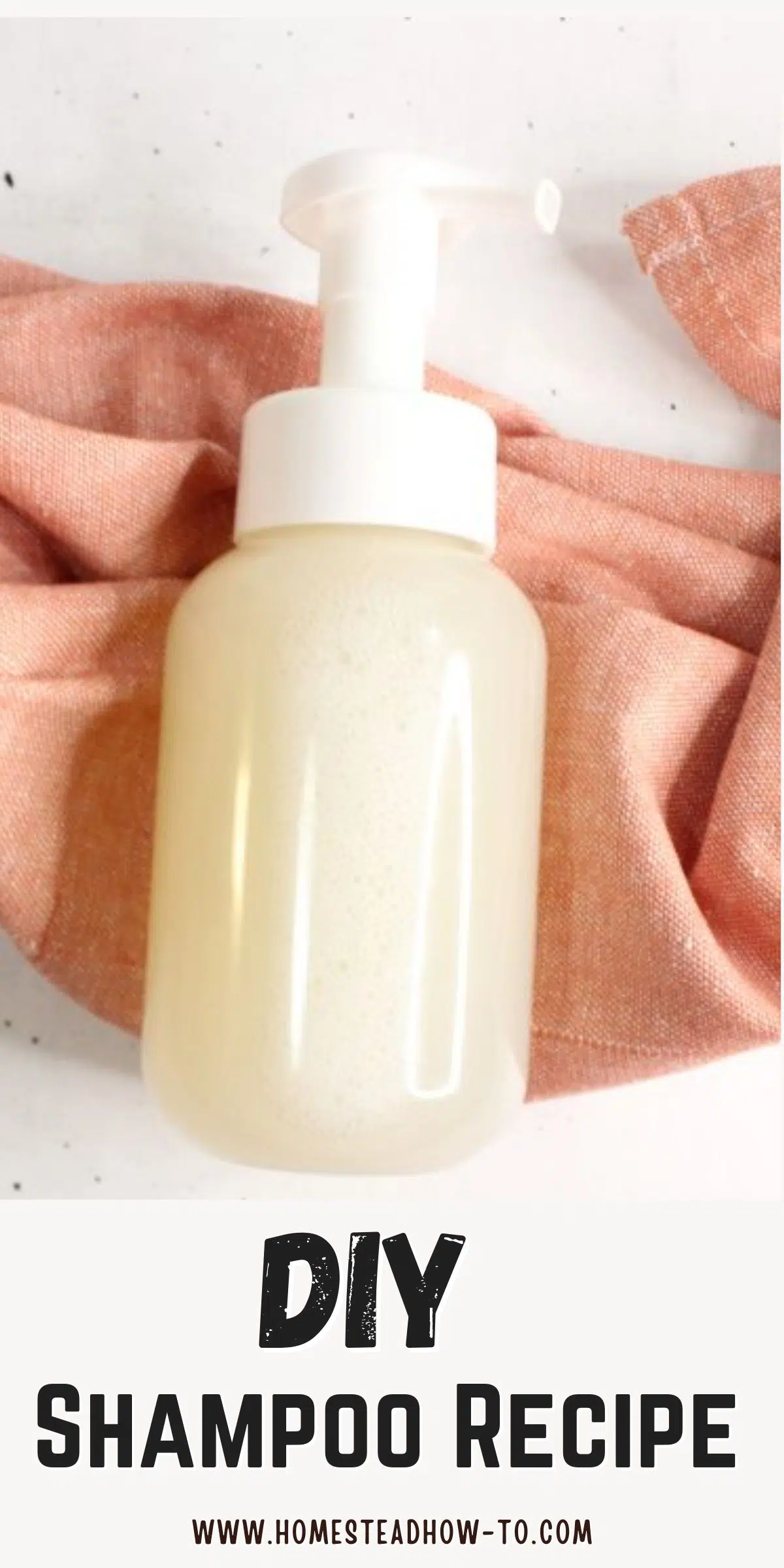
- Foaming Soap Dispenser
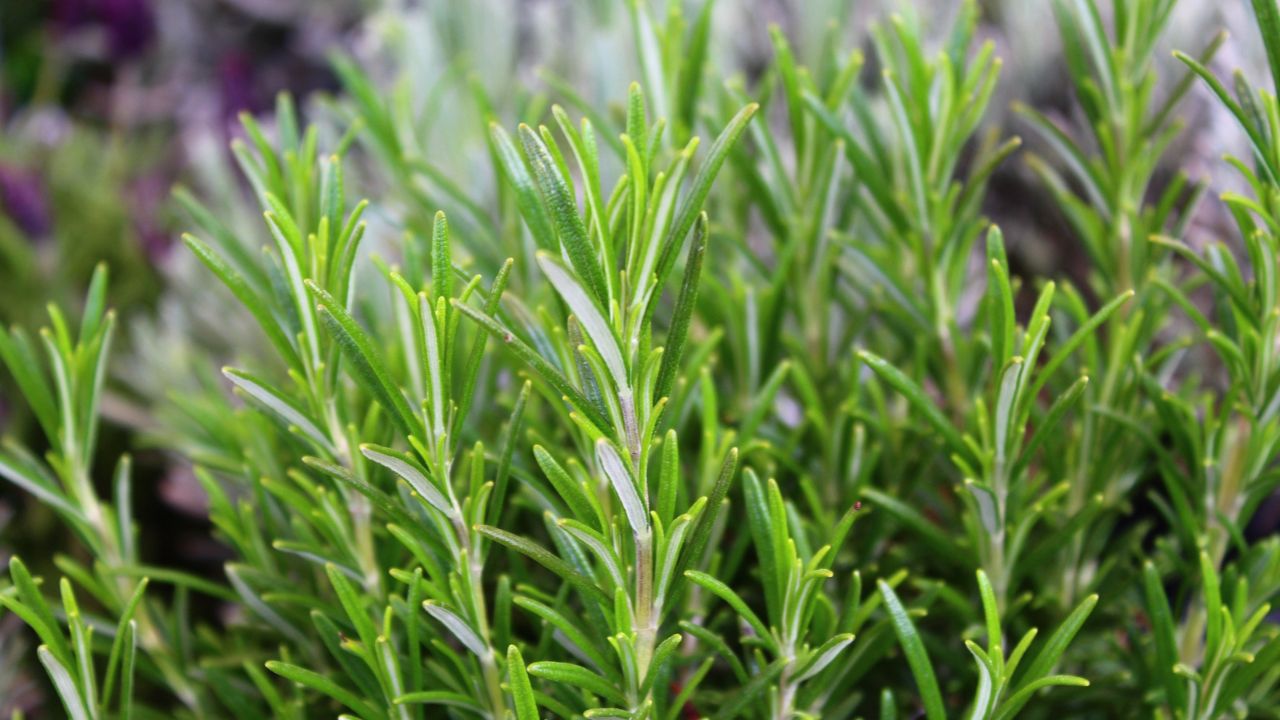
- Optional: 15-20 drops of essential oils (you can use
lavender , rosemary, ortea tree oil , whichever you prefer) - Funnel (optional)
- Pipette (optional)
- Measuring Cups and Spoons
Instructions for Homemade Shampoo
- Fill your soap container with 1/4 cup of water.
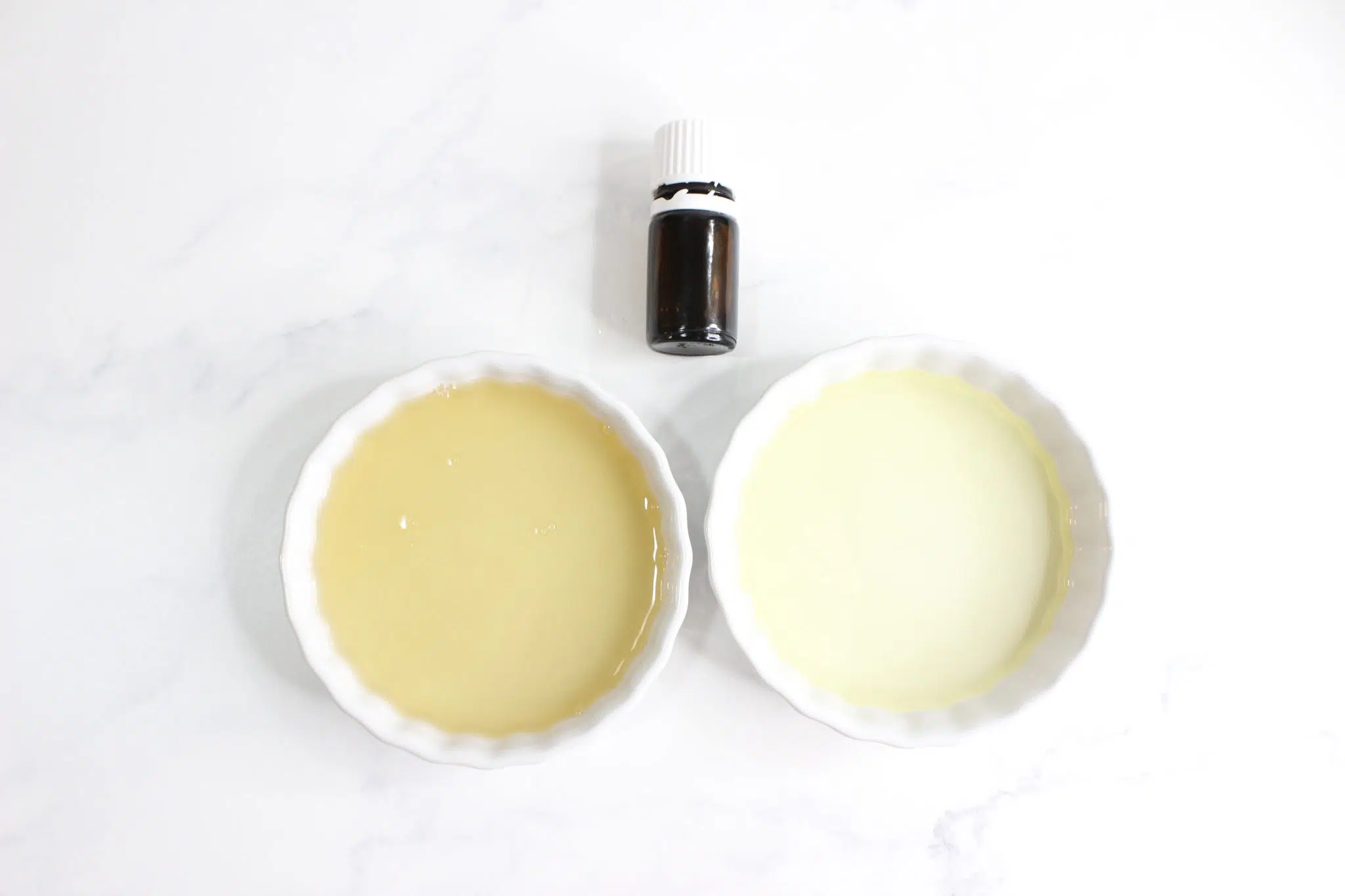
- Mix your essential oils with the olive oil.
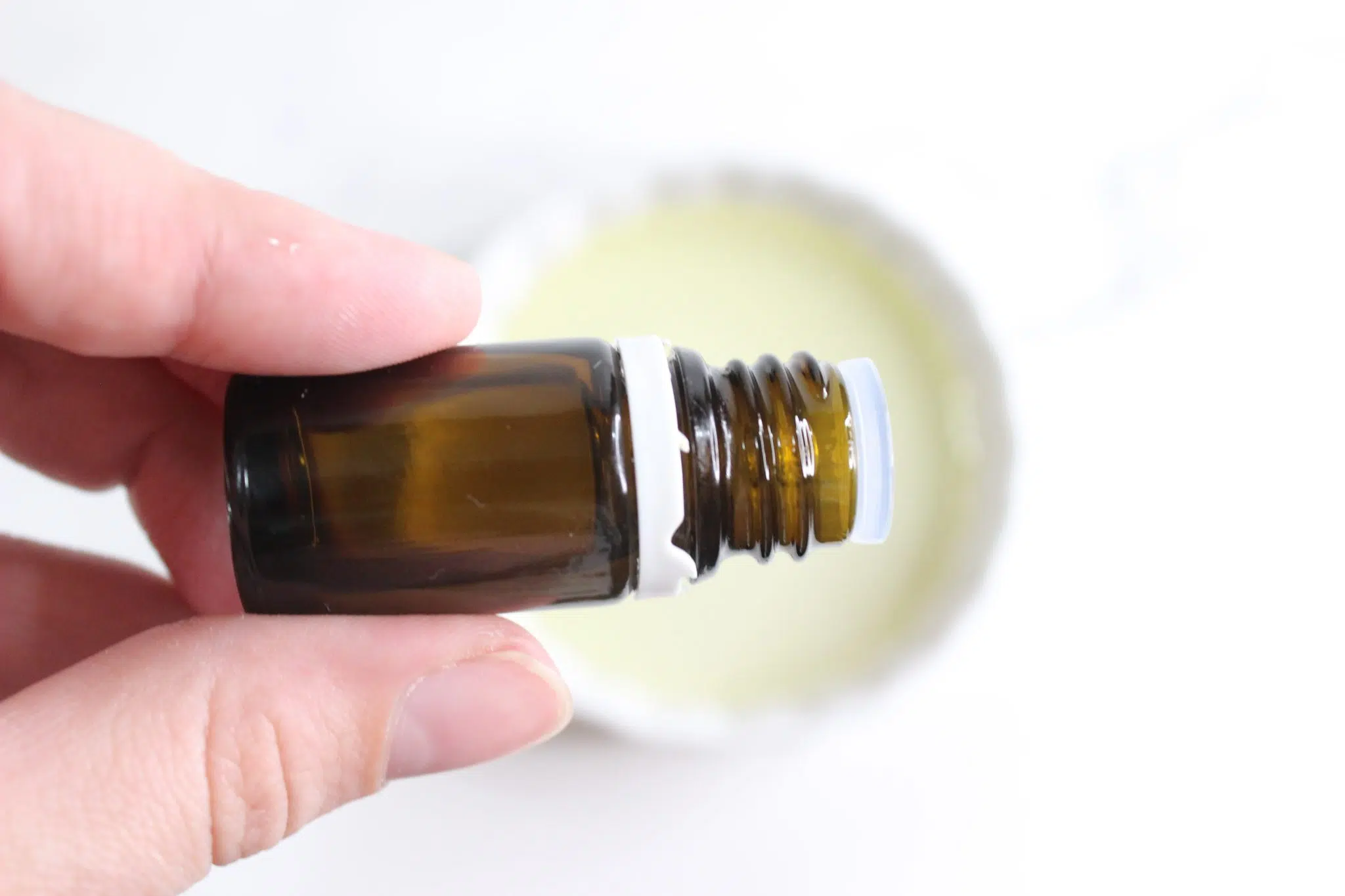
- Add the carrier oil mixture and
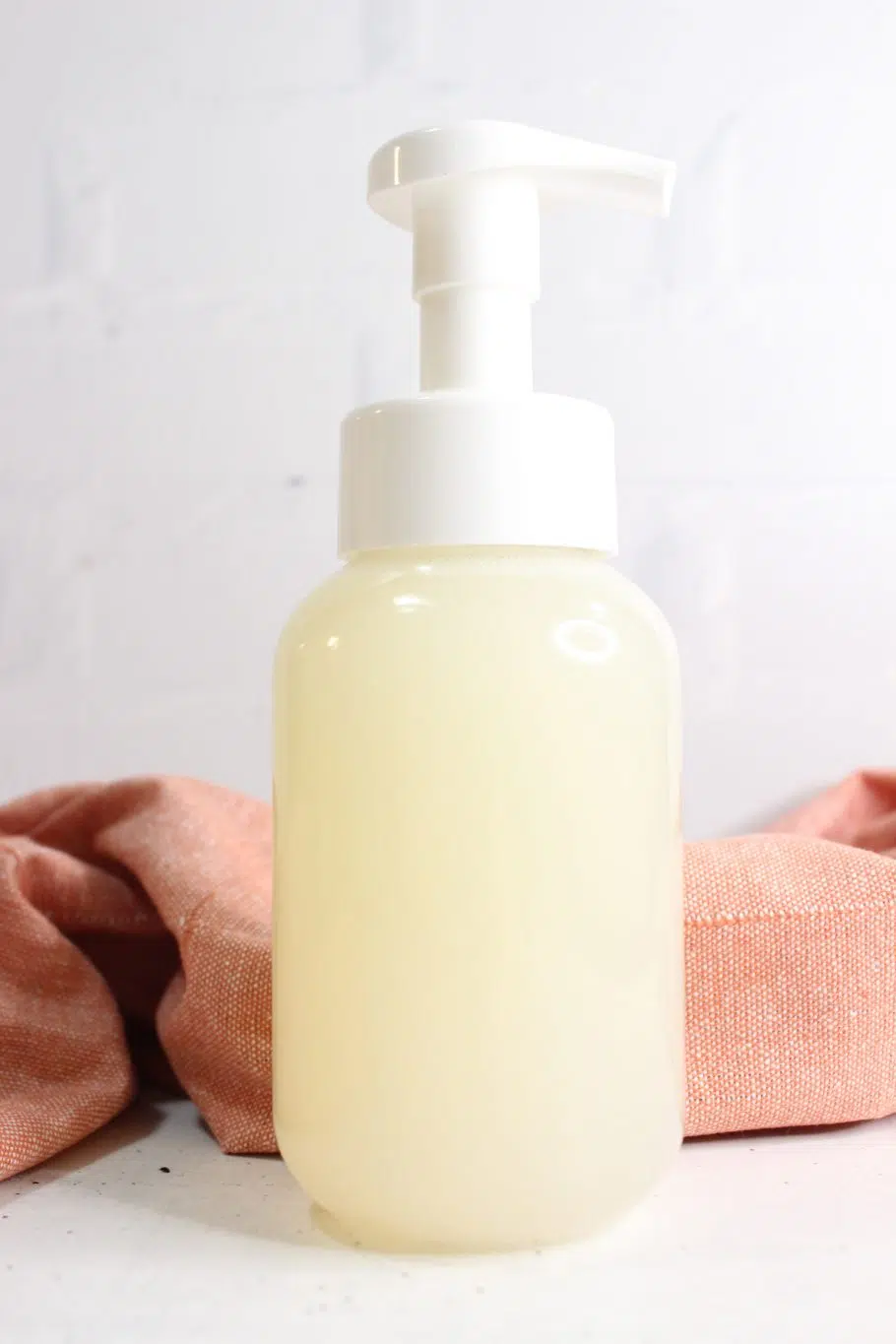
castile soap to the container. If needed, top off with more water. - Shake well to combine everything.
Why We Choose These Ingredients
Each ingredient in this DIY shampoo recipe is carefully chosen to nourish and cleanse your hair in a natural, gentle way:
Castile Soap
Castile soap is a plant-based soap made from olive oil, making it a perfect base for a natural shampoo. It’s free from harsh chemicals and sulfates found in many commercial shampoos, which can strip your hair of its natural oils. Instead,
Olive Oil (or Other Carrier Oils like Castor or Jojoba Oil )
Olive oil is rich in vitamins and antioxidants, making it excellent for nourishing the scalp and strengthening hair strands. It helps lock in moisture, adds shine, and can prevent hair breakage and split ends. If you prefer other carrier oils, here’s how they benefit your hair:
- Castor Oil: Promotes hair growth, strengthens hair roots, and prevents scalp dryness.
- Jojoba Oil: Closely mimics your scalp’s natural oils, providing deep hydration without feeling greasy. It also helps balance oil production, making it suitable for both dry and oily hair types.
Essential Oils
Essential oils add a pleasant scent and offer various hair-health benefits. Here are some popular options and their advantages:
- Lavender: Promotes hair growth, soothes the scalp, and helps reduce dandruff.
- Peppermint: Stimulates blood circulation in the scalp, promoting hair growth and providing a cooling sensation.
- Tea Tree: Has antifungal and antibacterial properties, making it great for treating dandruff and soothing itchy scalps.
How to Use This Shampoo
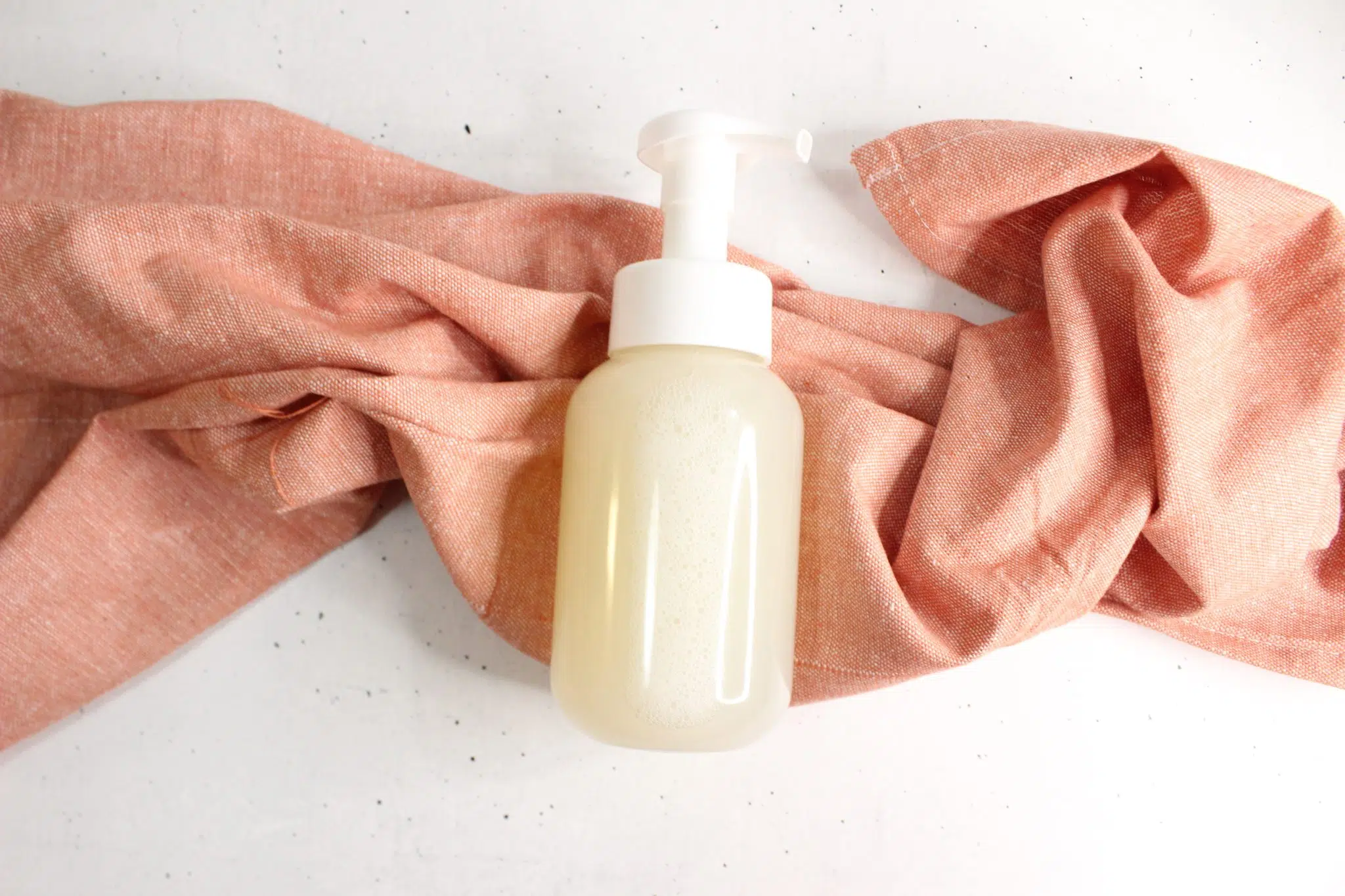
To use this shampoo, shake the bottle well to ensure the essential oils are fully mixed. Pump a couple of times into your palm and rub your hands together to create a lather. Apply the shampoo to your wet hair, massaging it thoroughly into your scalp and working it down to the ends. Make sure to cover all areas for a full cleanse. Rinse out with warm water, ensuring all shampoo is washed out. Repeat if necessary for thicker hair or a deeper clean.
Frequently Asked Questions
Can I add essential oils to homemade shampoo?
Yes, you can add small amounts of certain essential oils to homemade shampoo for fragrance. Lavender, rosemary, and peppermint are popular choices, but always dilute essential oils properly and use them with care.
Some essential oils can irritate the scalp or cause allergic reactions, so start with a very small amount and do a patch test before using the shampoo regularly.
How long does natural homemade shampoo last?
The shelf life depends on the ingredients and whether the recipe contains water. Homemade shampoo without a tested preservative system can develop bacteria or mold, especially when you add water.
For the safest option, make small batches, use clean containers, and don’t store homemade mixtures for long. There’s no reliable universal expiration date for an unpreserved homemade shampoo recipe.
Why does my homemade shampoo get watery?
Homemade shampoo often has a thinner consistency than store-bought shampoo because it doesn’t contain the same thickening ingredients. Castile soap is naturally liquid, and adding oils or other ingredients can change the texture.
Some separation is also normal when ingredients aren’t properly emulsified. Shake the bottle before using it, but discard the mixture if you notice an unusual smell, discoloration, or signs of spoilage.
Can homemade shampoo help with hair growth?
Homemade shampoo can help remove dirt, oil, and buildup from your scalp, but there’s no strong evidence that a simple castile soap and avocado oil recipe directly stimulates hair follicles or increases hair growth.
Healthy hair growth depends on several factors, including genetics, nutrition, scalp health, and getting enough essential vitamins and minerals. A gentle shampoo may help keep your scalp clean, but it won’t necessarily make your hair grow faster.
Other Posts You Might Like
- Homemade Hair Conditioner Bar
- Homemade Honey Face Wash
- Homemade Honey Shea Butter Leave-in Hair Conditioner
- How to Make DIY Shampoo Bar Soap for Hair
- How to Make Rosemary Water for Hair
How To Make An All Natural Foaming Hand Soap
Ingredients
- ¼ cup castile soap
- ¼ cup Water
- 1 tsp olive oil (or preferred carrier oil like castor or jojoba oil)
- Foaming Soap Dispenser
- 15-20 drops essential oils (you can use lavender, rosemary, or tea tree oil, whichever you prefer) (optional)
- Funnel (optional)
- Pipette (optional)
- Measuring Cups and Spoons
Instructions
- Fill your soap container with 1/4 cup of water.
- Mix your essential oils with the olive oil.
- Add the carrier oil mixture and castile soap to the container. If needed, top off with more water.
- Shake well to combine everything.