Cast iron skillets have earned their reputation for good reason. They’re incredibly durable, cook food beautifully, and can last for generations with proper care. Many home cooks wouldn’t want to be without one.
That said, cast iron isn’t the perfect pan for every job. It has a few drawbacks that can make cooking more difficult, depending on what you’re making and how you like to cook. Before adding one to your kitchen, or relying on it for every meal, here are a few things to keep in mind.
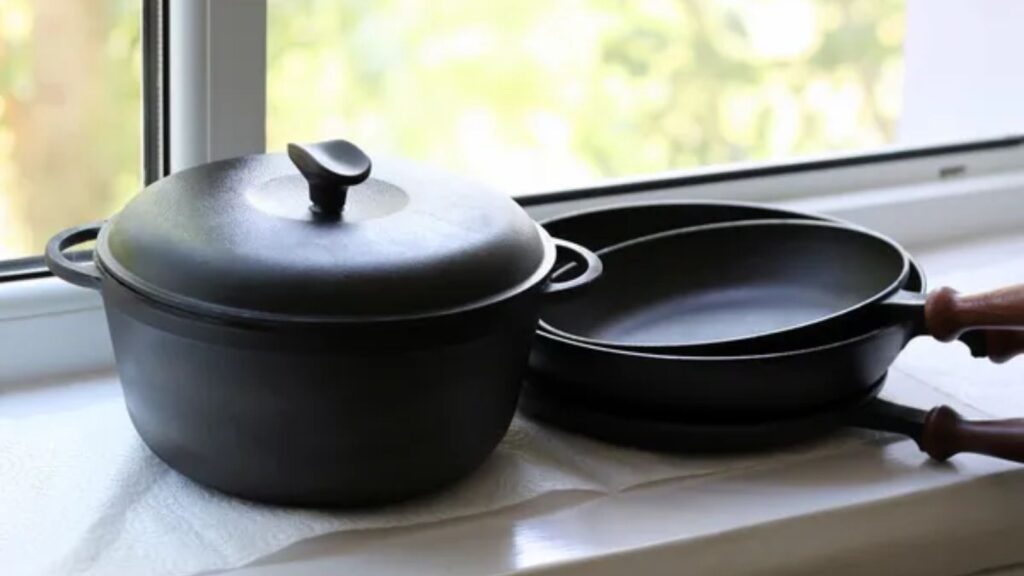
1. They’re Heavy
One of the first things you’ll notice about a cast iron
2. They Need Regular Care
Unlike many modern pans, cast iron needs ongoing maintenance. The cooking surface should be seasoned regularly to keep it smooth and help protect it from rust. If the seasoning wears away or the pan is left wet for too long, restoring it can take time and patience.
3. Acidic Foods Can Be a Problem
Tomato sauce, vinegar-based recipes, citrus, and other acidic ingredients aren’t always the best match for cast iron. Long cooking times with acidic foods can strip away the seasoning and sometimes leave food with a slightly metallic taste. For recipes like these, stainless steel or enamel-coated cookware is often a better option.
4. It Takes Time to Heat
Cast iron is famous for holding heat, but it doesn’t warm up very quickly. If you’re trying to make a fast breakfast or cook a quick weeknight dinner, waiting for the pan to reach the right temperature can slow things down.
5. Rust Can Develop Easily
Moisture is one of cast iron’s biggest enemies. If the pan isn’t dried thoroughly after washing or is stored in a damp place, rust can appear surprisingly fast. A rusty
6. It Doesn’t Belong in the Dishwasher
Cleaning cast iron is simple once you know how, but the dishwasher isn’t part of the process. Long exposure to water and strong detergents can strip away the protective seasoning and leave the pan vulnerable to rust. Hand washing and drying immediately is the safest method.
7. Delicate Foods Can Stick
While a well-seasoned
8. Some Cooking Oils Aren’t Ideal
Certain oils with low smoke points can burn before the pan reaches cooking temperature. Burnt oil leaves behind sticky residue and can gradually damage the seasoned surface. Oils with higher smoke points tend to perform much better in cast iron.
9. It Holds Heat for a Long Time
Excellent heat retention is one of cast iron’s biggest strengths, but it can also work against you. Once the
10. It Can Scratch Glass Cooktops
Cast iron works on nearly every type of stove, including induction. Still, its weight and rough bottom can scratch glass or ceramic cooktops if the pan is dragged instead of lifted. Setting it down too hard may even damage more delicate surfaces, so it’s worth handling with extra care.