Homesteading is about taking more control over daily needs and relying less on constant trips to stores or outside systems. It’s a gradual shift toward skills, habits, and practices that support independence at home.
This kind of lifestyle develops over time. It involves learning, trial and error, and a willingness to work with what you already have. From growing food to handling basic repairs, each step adds another layer of stability and self-sufficiency.
Here are practical ways to move toward a more independent way of living.

1. Grow Your Own Food
Start with fruits, vegetables, and herbs that match your space and climate. Even small gardens or container setups can produce steady harvests over time.
Related Article: 12 Hearty Recipes Made the Way Grandma Used to Cook Them
2. Eat with the Seasons
Choosing produce that grows naturally at different times of the year keeps meals fresh and connects your diet to local growing cycles.
3. Make Cleaning Supplies at Home
Simple ingredients like vinegar, baking soda, and lemon juice handle most cleaning tasks without the cost or additives found in commercial products.
4. Start Composting
Kitchen scraps, yard waste, and plant material can be turned into rich soil instead of being thrown away. Compost supports healthier gardens and reduces waste.
5. Collect Rainwater
Rain collection systems store water for gardens, outdoor cleaning, and livestock use. Even basic barrels can make a difference during dry periods.
6. Learn Basic First Aid
Knowing how to treat minor injuries, burns, or cuts gives more confidence when professional care is not immediately available.
7. Heat Your Own Space
Firewood, wood stoves, or solar-based systems can reduce reliance on conventional heating sources and lower long-term costs.
8. Bake Bread at Home
Homemade bread gives control over ingredients and reduces dependence on store-bought options with preservatives.
Related Article: 14 Broccoli Salads That Will Change the Way You Think About Broccoli
9. Cook Meals from Scratch
Preparing food from raw ingredients improves control over nutrition, cost, and flavor.
10. Learn Sewing Basics
Simple sewing skills help repair clothing, fix fabric items, and extend their usable life.
11. Preserve Food
Canning, freezing, drying, and fermenting help store food longer and reduce waste from seasonal harvests.
12. Generate Electricity
Solar panels, wind systems, or small-scale renewable setups can reduce reliance on traditional power sources.
13. Fish for Food
Fishing offers an additional food source in many regions and can support a more varied diet.
14. Hunt for Meat
In areas where it is legal and appropriate, hunting provides another way to source food locally.
Related Article: 12 Things You Should Dispose of the Right Way (Not the Trash)
15. Use Natural Remedies
Herbal preparations like teas or syrups made from common plants are often used for minor wellness support.
16. Make Drinks from Scratch
Homemade beverages such as infused drinks, fermented teas, or simple brews reduce reliance on store-bought options.
17. Declutter Regularly
Removing unused items frees up space, reduces waste, and can even create opportunities to sell or donate what is no longer needed.
18. Start Beekeeping
Beekeeping provides
19. Keep Learning
Books, guides, and practical experience all help expand homesteading knowledge over time.
20. Involve Children
Kids can take part in simple chores, gardening, and animal care, helping them build useful life skills early.
21. Raise Livestock
Chickens, goats, or other animals can supply eggs, milk, meat, and manure for composting.
22. Make Candles at Home
Homemade candles provide light, can be customized, and reduce the need for store-bought versions.
23. Air Dry Laundry
Drying clothes outdoors saves energy and helps extend fabric life.
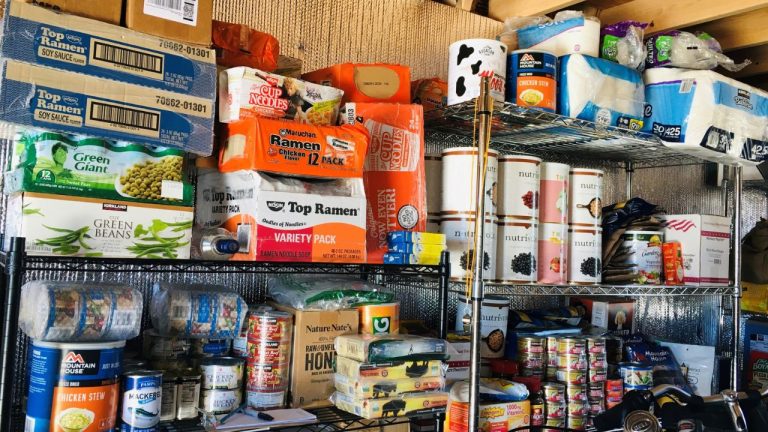
24. Stock a Pantry
Keeping shelf-stable foods on hand provides stability during shortages or unexpected events.
25. Improve DIY Skills
Home repair skills save money and reduce dependence on outside help for basic maintenance.
26. Choose Less Packaging
Reducing plastic use lowers waste and encourages more sustainable shopping habits.
27. Tap Trees for Syrup
In suitable climates, trees like maple can provide syrup when tapped during the right season.
28. Handle Basic Car Maintenance
Learning to change oil, rotate tires, and manage small repairs reduces long-term vehicle costs.
Related Article: 7 Pantry Staples Smart Frugal People Always Keep Stocked