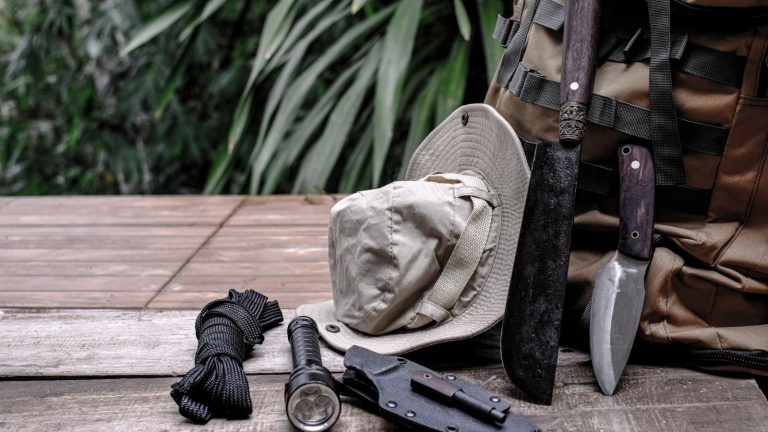
In a world where convenience is everywhere, many traditional skills have slowly faded from everyday life. Previous generations often knew how to grow food, repair belongings, preserve meals, and handle problems without relying on modern services.
These skills were once part of normal life, but they are still useful today. Power outages, supply shortages, natural disasters, or unexpected situations can remind us how valuable it is to know how to take care of basic needs.
Having emergency supplies is helpful, but knowing what to do with limited resources can make a big difference. These old-fashioned skills can help you become more resourceful, save money, and feel more prepared for whatever comes your way.
Here are 17 vintage life skills worth learning.

Learn How to Fish
Fishing was once a common way for families to bring fresh protein to the table. It provided a reliable food source without depending entirely on stores.
Learning how to tie knots, choose bait, cast a line, and clean a fish gives you a practical skill that can be useful during outdoor trips or times when food options are limited.
Related Article: 13 Forgotten Home Skills That Deserve More Appreciation
Grow Your Own Food
Home gardens were once a regular part of life. Families grew vegetables, herbs, and fruits to supplement their meals and reduce grocery expenses.
You don’t need acres of land to start gardening. A few containers of herbs, tomatoes, or greens can provide fresh ingredients and teach valuable lessons about growing food.
Learn Basic Hunting Skills
For many generations, hunting was an important way to provide meat for the family. While it requires training, patience, and knowledge of local laws, learning about hunting can teach valuable outdoor skills.
Understanding tracking, wildlife behavior, and safe meat handling can be useful for anyone interested in a more self-reliant lifestyle.
Sew and Repair Clothing
People once repaired clothes instead of replacing them whenever something tore or wore out. Simple sewing skills, such as fixing a loose button, patching a hole, or repairing a seam, can save money and extend the life of everyday items.
A needle, thread, and basic sewing knowledge can go a long way.
Related Article: 21 Self-Sufficiency Skills People Used Before Modern Convenience
Learn Basic Carpentry
Knowing how to work with wood was once a common household skill. Basic carpentry can help you repair furniture, build shelves, fix small problems around the house, and create useful items.
Even learning how to safely use simple tools can make home projects easier and less expensive.
Forage for Wild Foods
Before grocery stores were common, many people gathered wild plants, berries, nuts, and herbs for food.
Learning about edible plants in your area can be a useful skill, but proper identification is important since some wild plants can be harmful. With the right knowledge, foraging can provide seasonal ingredients and a closer connection to nature.
Bake Bread from Scratch
Homemade bread was once a kitchen staple because it required only a few basic ingredients. Flour, water, yeast, and a little patience can create something filling and delicious.
Making bread at home can also help reduce grocery costs and gives you a useful skill that doesn’t depend on store-bought products.
Related Article: 14 Home Maintenance Skills Every First-Time Homeowner Should Learn
Preserve Food Through Canning
Canning helped families save fruits and vegetables from the harvest season so they could enjoy them months later.
Learning how to safely can foods allows you to store homemade meals, reduce food waste, and make the most of seasonal produce.
Learn the Art of Bartering
Before modern currency systems became widespread, people often traded goods and services. Bartering can still be useful today.
Trading extra garden produce, handmade items, repairs, or skills with neighbors can help build stronger local connections and reduce expenses.
Keep Bees for Honey and Beeswax
Beekeeping has provided families with
Keeping bees also supports pollination, which benefits gardens and surrounding plants.
Cook Without Modern Appliances
Many older cooking methods relied on simple tools and basic heat sources. Knowing how to cook over a fire, use a cast iron pan, or prepare meals in a
Traditional cooking methods also bring variety to everyday meals.
Learn Food Dehydration
Drying food is one of the oldest ways to preserve it. Fruits, vegetables, herbs, and meats can all be dehydrated and stored for later use.
Dehydrated foods take up little space and can provide convenient ingredients or snacks throughout the year.
Raise Backyard Chickens or Small Livestock
Keeping chickens was once common for families who wanted a steady supply of fresh eggs. Depending on local rules and available space, some people also raise other small animals.
Learning basic animal care can provide food resources and teach valuable responsibility.
Learn How to Process Meat
Knowing how to properly prepare meat after hunting or raising animals was once a common household skill.
Understanding safe handling, cutting, and storage methods helps reduce waste and makes better use of available food.
Make Homemade Dairy Products
Before store-bought dairy products were widely available, many families made their own butter, yogurt, and cheese.
Learning these simple methods can help you create fresh foods at home and better understand how everyday ingredients are made.
Know Basic Natural Remedies and First Aid
People often relied on plants, herbs, and basic home remedies for minor issues. While serious health problems require professional care, knowing basic first aid and learning about traditional remedies can be useful.
Skills like cleaning wounds, treating minor injuries, and keeping a well-stocked
Read a Paper Map
With GPS and smartphones, many people rarely use physical maps anymore. Still, knowing how to read a map and understand directions is a practical skill.
A paper map can be useful during road trips, outdoor adventures, or situations where technology is unavailable.
Learning these traditional skills doesn’t mean giving up modern conveniences. It simply means having more options. The abilities passed down by previous generations can help you save money, solve everyday problems, and become more confident handling unexpected situations.