Long before emergency kits, portable power stations, and expensive survival gear became popular, people prepared for hard times in their own ways. They relied on simple tools, practical skills, and whatever they already had around the house to make life a little easier.
Our great-grandparents didn’t necessarily call it prepping. For many families, growing food, saving water, making supplies last, and finding ways to get things done without electricity were simply part of everyday life.
And while modern conveniences certainly have their place, some of those old-fashioned tricks are still worth knowing.
Keep a Pantry You Actually Use
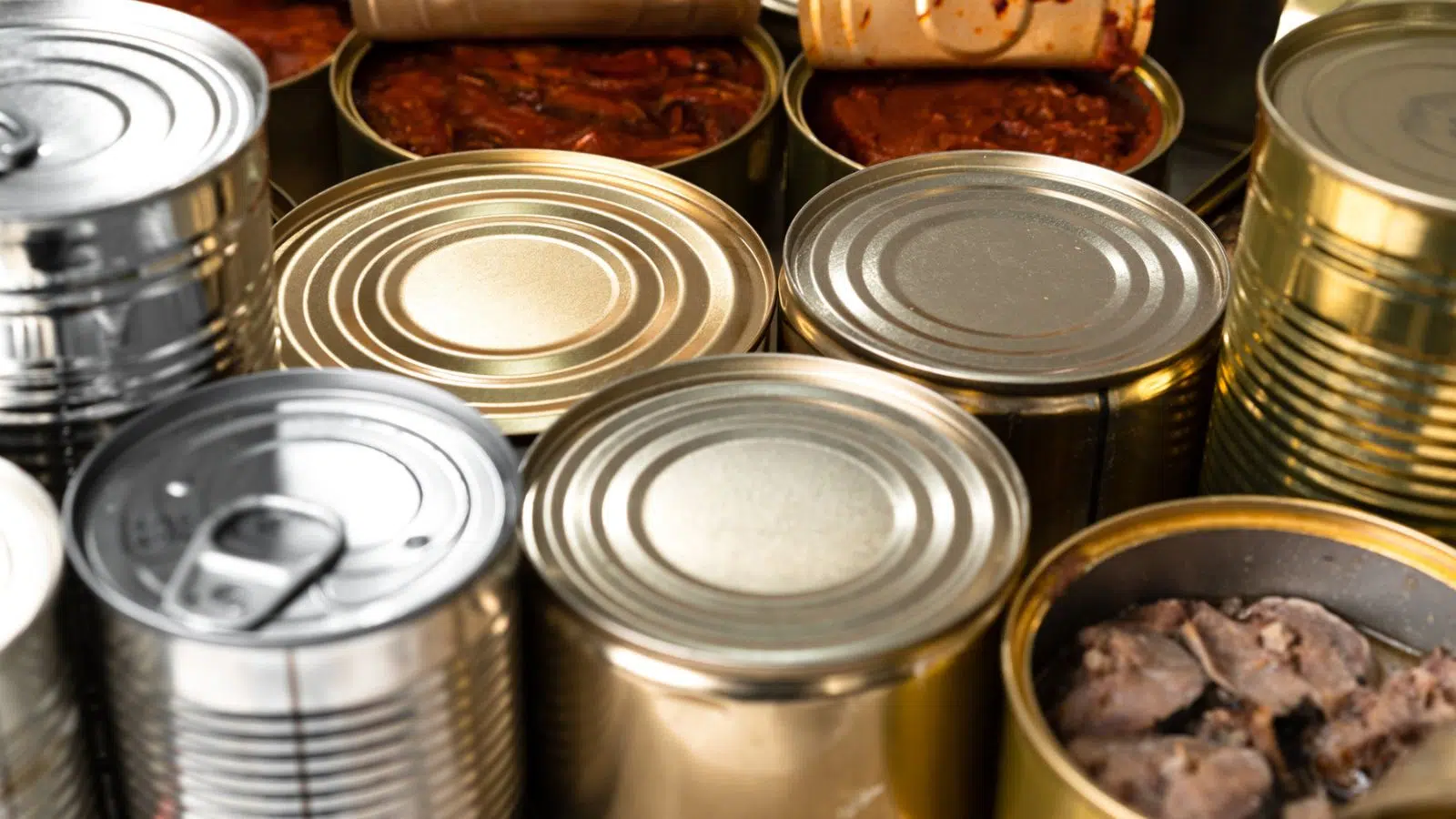
Instead of filling shelves with expensive survival meals, take a lesson from older generations and keep extra supplies of foods your family already eats. Rotating canned vegetables, dried beans, rice, and other shelf-stable staples through your regular meals helps prevent waste while keeping your pantry ready for unexpected shortages.
Collect Rainwater Before You Need It
Our great-grandparents often found ways to save rainwater for their gardens, livestock, and other household needs rather than letting it run off the roof. A properly installed rain barrel can help you store water for outdoor use during dry spells, but don’t assume collected rainwater is safe to drink without proper treatment and testing.
Turn Your Water Heater Into an Emergency Water Supply
Most traditional tank-style water heaters hold 40 to 50 gallons of water, which could become a valuable backup during a water interruption. If your water supply is compromised, follow official guidance to safely isolate and access the tank, and make sure the water is safe to drink before using it.
Related: How to Shut Off Water After a Pipe Burst
Let the Sun Do Some of Your Cooking
Before electricity became a household necessity, people relied on the sun for all sorts of everyday tasks, and solar cooking is one way to put that free energy to work. A properly designed solar oven can prepare meals without electricity or fuel on sunny days, as long as the food reaches safe cooking temperatures.
Grow Firewood That Comes Back on Its Own
Instead of constantly planting new trees, some traditional woodlots relied on coppicing, a method where certain trees are cut near the ground and allowed to grow back from their existing roots. Species such as willow and hazel can produce new shoots repeatedly, providing a renewable source of small wood when properly managed.
Make Your Home Less Appealing to Burglars
You don’t need an expensive security system to make your home a less attractive target during an extended absence or emergency. Simple precautions such as keeping entrances well-lit, using sturdy locks, setting lamps on timers, and avoiding visible valuables can make your home look occupied and better protected.
Fill Empty Freezer Space With Water
A full freezer stays cold longer during a power outage, so filling unused space with containers of water can help increase its thermal mass. Once frozen, those containers help keep food cold, and if the water was safe to drink and stored in food-safe containers, it can also serve as backup drinking water after thawing.
Bury Clay Pots to Water Your Plants
Long before automatic irrigation systems, gardeners used unglazed clay pots called ollas to deliver water slowly beneath the soil. Burying one near your plants allows moisture to seep toward the roots over time, reducing surface evaporation and the need for frequent watering.
Plant Vegetables That Keep Coming Back
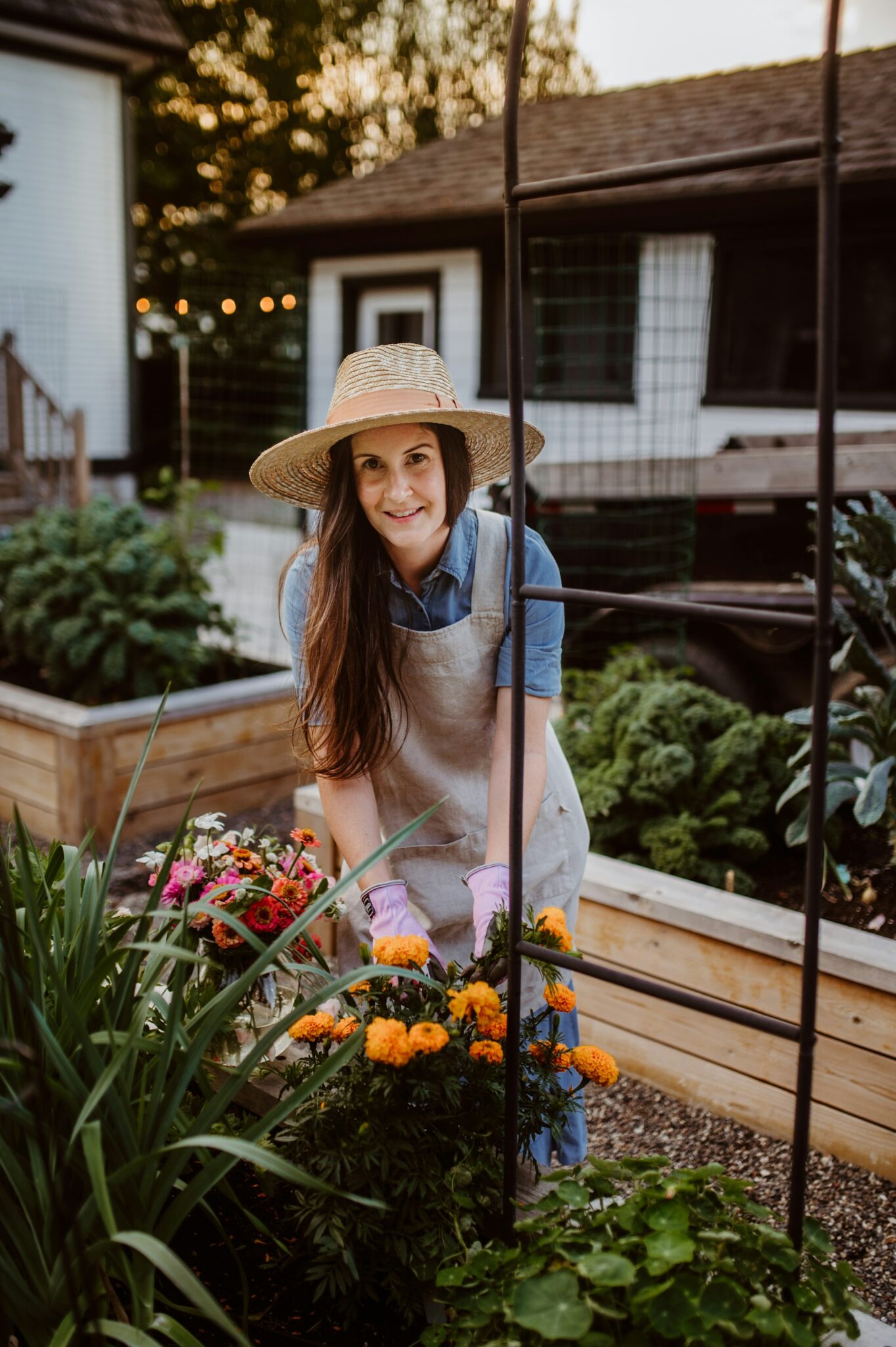
One of the easiest ways to make a garden more productive is to grow crops that don’t need replanting every spring. Asparagus, rhubarb, Egyptian walking onions, and Jerusalem artichokes are examples of perennial or self-propagating crops that can provide harvests for years with proper care.
Save Seeds From Your Garden
Buying new seeds every spring isn’t always necessary, especially if you’re growing open-pollinated varieties that produce seeds you can save for another season. Learning to collect, dry, and properly store seeds from crops such as beans, peas, and tomatoes can help reduce gardening expenses and make you less dependent on store-bought supplies.