Most of us assume certain things will still work during an emergency. We think we can call someone, drive to the store, fill up the car, or get help if something goes wrong.
But when a major storm, widespread power outage, or natural disaster disrupts everyday life, some of those everyday conveniences can disappear surprisingly quickly. And it’s often the things we depend on most that we haven’t thought about preparing for.
Here are 10 things people often take for granted that may not work as expected during an emergency.
1. Your Cell Phone Will Always Have Service
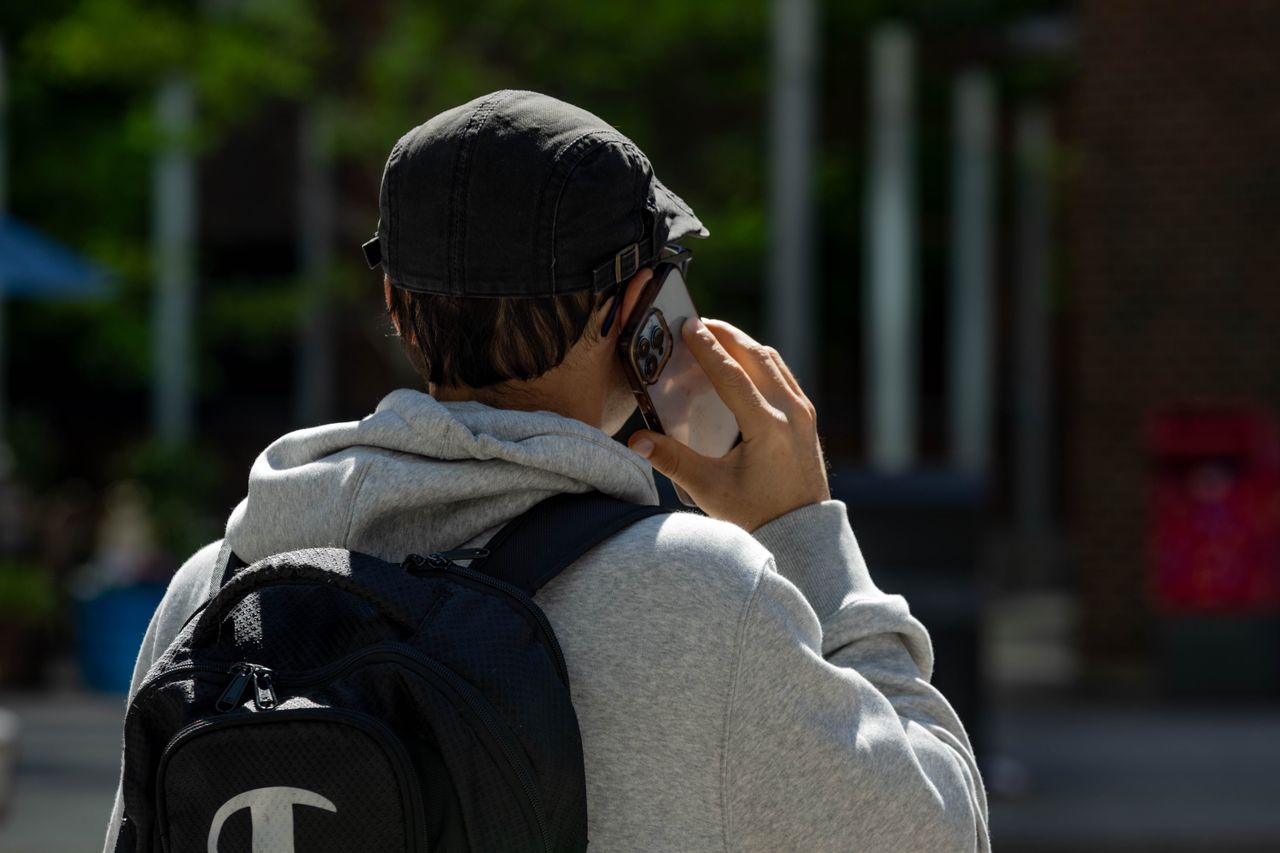
Cell towers can lose power, become damaged, or get overwhelmed when too many people try to make calls at once. According to FEMA’s emergency communication guidance, text messages may get through when voice calls don’t, so it’s worth having a backup way to communicate with family.
Related: 9 Things We May Be Relying on AI to Do That We Should Still Know How to Do Ourselves
2. You’ll Be Able to Get Cash From an ATM
Most people rarely carry cash anymore, assuming they can always use a debit card or stop at an ATM when they need money. But power outages and internet disruptions can leave ATMs and payment terminals unusable, so Ready.gov recommends keeping some cash in small bills with your emergency supplies.
3. Gas Stations Will Still Be Open
You might have enough gas to get around town on a normal day, but what happens if you suddenly need to drive a long distance? Gas stations depend on electricity to run their pumps, and during a widespread emergency, stations that remain open may have long lines or run short on fuel, so it’s smart to keep your tank reasonably full.
4. You Can Leave Town Whenever You Want
It’s easy to assume you can get in your car and drive somewhere safer, but major emergencies can lead to road closures, heavy traffic, and blocked evacuation routes. The U.S. Fire Administration recommends identifying more than one way out of your neighborhood and leaving promptly when evacuation is necessary rather than waiting until the last minute.
5. Emergency Services Will Arrive Quickly
Calling 911 is usually the first thing people think of when something goes wrong, but a widespread disaster can leave emergency responders handling more calls than usual. While you should always call for life-threatening emergencies, learning basic first aid and keeping essential supplies on hand can help you meet immediate needs while you wait for help.
6. Grocery Stores Will Have Everything You Need
Most households buy groceries as needed, but severe weather and other emergencies can disrupt deliveries or cause stores to close unexpectedly. Keeping several days’ worth of food and drinking water at home means you won’t have to rush to the store alongside everyone else when a storm is approaching.
Related: Everyone Is Stocking Up on Emergency Gear, but Here’s What You Really Need
7. Your Family Will Know Where to Meet
If an emergency happens while everyone is at work, school, or running errands, getting back together may be harder than expected. Choose family meeting locations, identify an out-of-town contact, and make sure everyone knows what to do if they can’t reach each other by phone.
8. Water Will Keep Coming Out of the Faucet
A power outage doesn’t always mean losing running water, but homes with electric well pumps and communities experiencing water system disruptions may lose a reliable supply. Store at least one gallon of water per person per day for at least three days, plus extra water for pets, hot weather, and medical needs.
9. Your Neighbors Will Be Around to Help
Having good neighbors can make a difficult situation easier, but they may be dealing with their own emergencies, away from home, or unable to reach you. Getting to know the people around you and discussing how you might check on one another helps, but it’s still important to have enough basic supplies to manage on your own at first.
10. You’ll Remember Important Information Without Your Phone
Think about how many phone numbers, addresses, and important documents you have saved on your phone or somewhere online. If your battery dies or you lose internet access, that information may suddenly be difficult to retrieve, so keep a printed list of emergency contacts, essential medical details, and other important information somewhere easy to find.