From emergency backpacks to portable power stations and survival kits, there’s no shortage of products being marketed to people who want to be prepared. With severe weather, unexpected power outages, and other emergencies to consider, it’s understandable that more people are thinking about what to keep at home.
But you don’t need to spend hundreds of dollars on survival equipment to be prepared. In fact, some of the most useful emergency supplies are ordinary household items you probably already have.
According to FEMA, every household should have enough basic supplies to get through several days without outside assistance. Here’s what deserves a place in your emergency kit and what you can probably skip.
Start With Water Before Anything Else
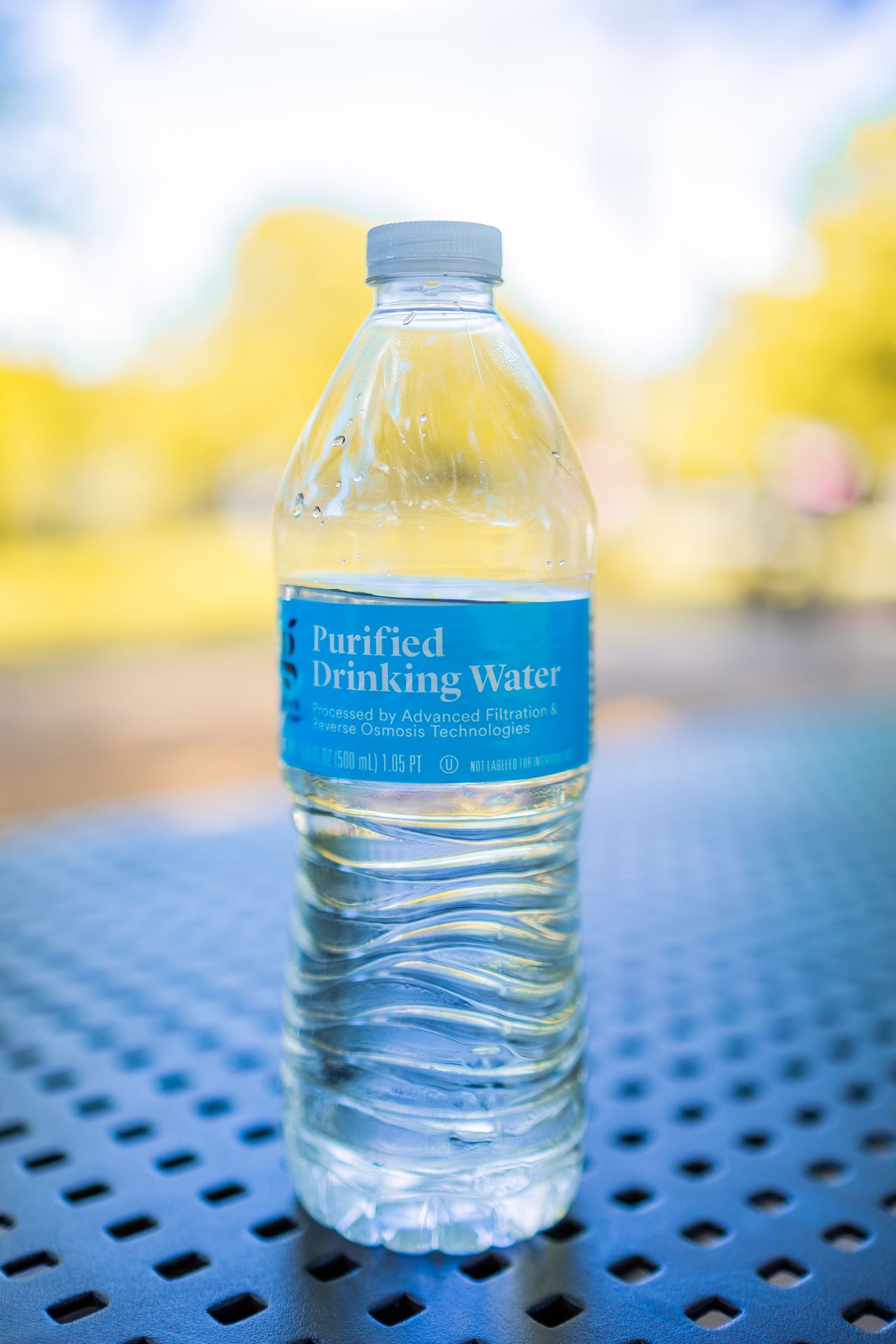
You can have all the emergency gadgets in the world, but they won’t help much if you run out of drinking water. FEMA recommends storing at least one gallon of water per person per day for at least three days, which means a family of four should have at least 12 gallons set aside.
If you have pets, live somewhere hot, or have family members with additional medical needs, you’ll want to store more. Bottled water is an easy option, but properly cleaned, food-grade storage containers can also work.
Stock Foods You Can Eat Without Cooking
Canned beans, tuna, peanut butter, crackers, dried fruit, and other shelf-stable foods are affordable options that require little or no preparation. The FEMA emergency supply checklist recommends keeping nonperishable food for several days, along with a manual can opener. Choose foods your family already eats so you can rotate them into your regular meals before they expire.
Don’t Overlook Basic Lighting
When the power goes out, one of the first things you’ll need is a reliable way to see what you’re doing. A few flashlights, headlamps, or battery-powered lanterns can make it easier to move around the house, prepare food, and check on family members.
The CDC recommends keeping emergency lighting and spare batteries available. Flashlights are generally a safer choice than candles, which can create a fire hazard if they’re knocked over or left unattended.
Keep a Way to Charge Your Phone
Your phone can be one of your most important tools during an emergency, especially when you need to contact family, receive alerts, or check local conditions. A portable power bank can provide extra charges when the electricity is out, and you don’t necessarily need the most expensive model to keep a phone working.
If you’re considering a larger portable power station, think about what you actually need it to run before spending the money. A basic power bank may be enough to charge phones, while medical equipment and larger appliances require more careful backup-power planning.
Have an Emergency Radio That Doesn’t Depend on the Internet
When your internet connection stops working, or cellular service becomes unreliable, an emergency radio can help you stay informed. A battery-powered or hand-crank model is worth keeping around, particularly one that can receive NOAA Weather Radio broadcasts.
The National Weather Service explains that NOAA Weather Radio provides continuous weather information, official warnings, and other emergency updates. Make sure you know how to use your radio before an emergency happens.
Keep Your First Aid Supplies Stocked
A basic first aid kit is something every household should have, even if you’re not preparing for a disaster. Bandages, gauze, antiseptic supplies, gloves, and other essentials can help you manage minor injuries when getting medical attention may take longer than usual.
You don’t need an oversized tactical medical bag filled with equipment you don’t understand. Start with a practical kit and consider taking a first aid or CPR course so you know how to use the supplies inside.
Think About Medications and Medical Equipment
If someone in your household depends on prescription medication, refrigerated medicine, or an electrically powered medical device, preparing for an outage becomes especially important. Keep an updated medication list, discuss emergency refill options with your pharmacist, and make a backup power plan for essential equipment.
Have a Plan for Staying Warm or Cool
An extended outage can become dangerous when your heating or cooling system stops working, particularly during extreme temperatures. Extra blankets, warm clothing, sleeping bags, and weather-appropriate supplies can help, but they aren’t substitutes for getting to a safe, temperature-controlled location when conditions become unsafe.
Don’t Forget Hygiene and Sanitation
Toilet paper, hand sanitizer, soap, trash bags, disinfecting supplies, and personal hygiene products aren’t particularly exciting purchases, but you’ll appreciate having them if water service is interrupted. Households with young children should also keep extra diapers, wipes, formula, and other everyday essentials available.
Keep Some Cash and Important Information Accessible
If ATMs, card readers, or internet connections stop working, you may not be able to pay for supplies electronically. Keeping a reasonable amount of cash in small bills gives you another option if local businesses remain open.
It’s also smart to have important phone numbers, medication information, insurance details, and copies of essential documents stored somewhere accessible.