Your home works hard to protect you every day, but it also needs regular care to stay safe and comfortable. Small problems can be easy to overlook, especially when they seem harmless at first. A tiny crack, strange smell, or minor leak might not seem urgent, but these issues can turn into costly repairs if ignored.
Learning to spot early warning signs can help you deal with problems before they become major headaches. Here are 14 signs your house may be trying to tell you that something needs attention.
Cracks in the Chimney
A small crack in your chimney may seem like a cosmetic issue, but it can allow water to get inside and cause damage over time. Moisture can weaken the masonry, lead to further cracking, and create bigger problems.
Inspect your chimney regularly and repair cracks before they grow.
Related Article: 13 Home Repairs You Should Never Do Yourself
Water Stains on Walls or Ceilings
Brown spots, discoloration, or peeling paint on your walls or ceiling often point to a water problem. The source could be anything from a leaking roof to a plumbing issue.
Ignoring water damage can lead to mold growth and damage to your home’s structure, so it’s best to find the cause as soon as possible.
Higher Energy Bills
If your energy costs suddenly rise without a major change in usage, your home may be losing heated or cooled air. Poor insulation, worn weatherstripping, and small gaps around windows and doors can make your HVAC system work harder.
Checking for drafts and sealing air leaks can help keep your home more comfortable and lower monthly expenses.
Flickering Lights
Lights that flicker from time to time could be more than an annoyance. They may point to loose wiring, overloaded circuits, or other electrical issues.
Since electrical problems can create safety risks, it’s best to have a qualified electrician inspect anything unusual.
A Damp Basement or Crawl Space
A little moisture in these areas is common, but constant dampness can cause trouble. Excess moisture can encourage mold growth, attract pests, and weaken parts of your home over time.
Look for standing water, wet insulation, musty smells, or signs of damage around the foundation.
Doors and Windows That Stick
Doors and windows that suddenly become difficult to open or close may be a sign that your home is shifting. Changes in the foundation can cause frames to move, making everything fit differently.
A professional inspection can help determine whether the issue is minor or something that needs repair.
Strange Smells
Unusual odors inside your home should never be ignored. A burning smell could point to an electrical issue, while other smells may suggest problems with your heating system, plumbing, or moisture levels.
If the smell seems unusual or keeps returning, it’s worth finding the source.
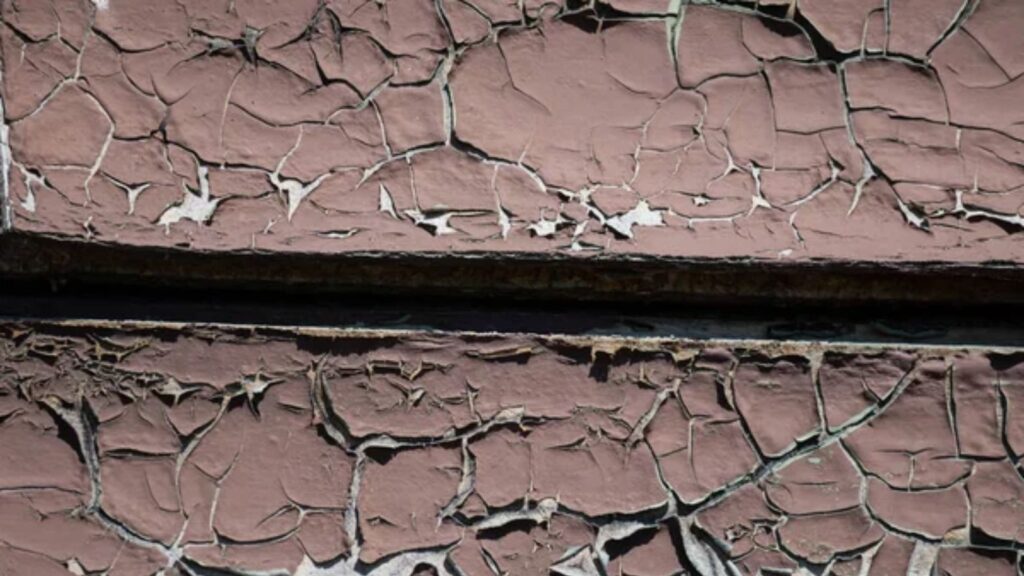
Bubbling or Peeling Paint
Paint that bubbles, peels, or cracks may be caused by trapped moisture behind the walls. In some cases, it can also point to other issues, such as insect damage.
Check the area carefully to find out what is causing the problem instead of only repainting over it.
Cracks in the Ceiling
Not every ceiling crack means there is a serious problem, but some deserve attention. Cracks can develop from normal settling, moisture damage, foundation movement, or weight from the attic.
Larger cracks or ones that continue growing should be checked by a professional.
Dark Spots Around Air Vents
Marks or discoloration around air vents may indicate moisture buildup or mold inside your HVAC system or ductwork.
Cleaning the vents and having the system inspected can help identify the cause and improve indoor air quality.
Low Water Pressure
A sudden drop in water pressure can be a sign of a plumbing problem. It may be caused by leaks, clogged pipes, or issues with your water supply.
Finding the cause early can prevent more serious plumbing repairs later.
Musty Odors
A musty smell is often linked to excess moisture. Basements, crawl spaces, and areas with poor ventilation are common places where mold can develop.
Finding and fixing the moisture source is the first step toward solving the problem.
Visible Roof Damage
Missing shingles, cracked roofing materials, or damaged flashing can leave your home exposed to water damage.
Regularly checking your roof and fixing small problems can help prevent leaks, interior damage, and expensive repairs.
Sloping Floors
Floors that feel uneven or appear to slope may point to issues beneath your home. Problems with floor joists, moisture damage, or foundation movement can all contribute to uneven floors.
If you notice changes in your flooring, a professional evaluation can help determine what is happening.
Keeping an eye on these warning signs can save homeowners money and prevent small repairs from becoming major projects. Regular inspections and basic maintenance go a long way toward keeping your home in good condition.