Stockpiling can be a smart way to prepare for bad weather, power outages, supply shortages, or an unexpected disruption. But there’s a point where having extra supplies stops being useful and starts eating up your money and storage space.
It’s easy to get carried away. A sale makes buying six bottles instead of one seem like a bargain. A fear of shortages can make a garage full of supplies feel reassuring. Then months later, you may find yourself with expired food, dried-out cleaning products, or boxes of things you rarely use.
A useful stockpile should make life easier, not turn your home into a warehouse.
Here are 15 things that are often overstocked and may deserve less space in your emergency supplies.
1. Junk Food and Sweets
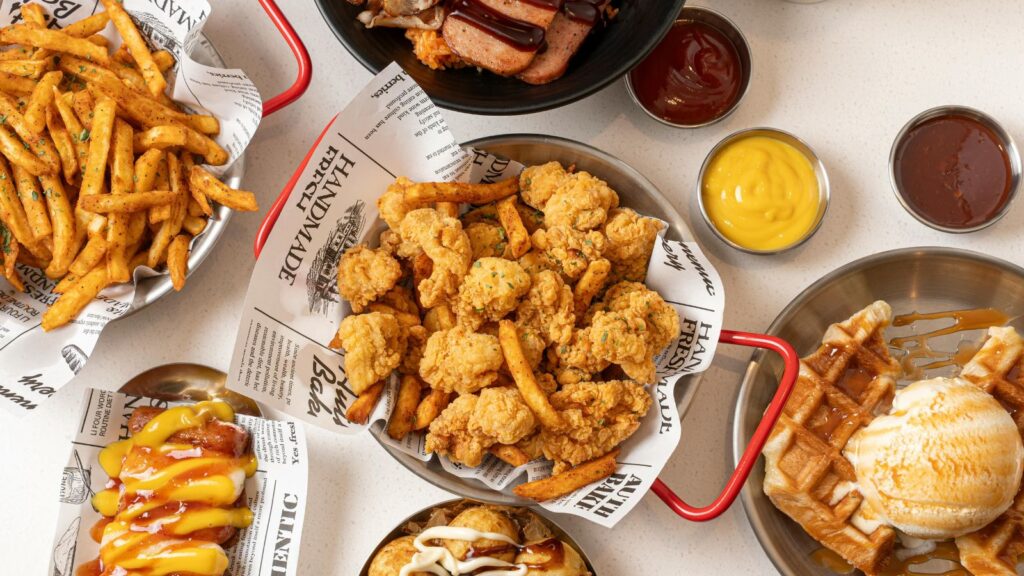
Chips, candy, cookies, and other treats can be comforting during a stressful situation, but they shouldn’t take up most of your food storage.
Many snack foods have relatively short best-quality periods, and they don’t provide much protein, fiber, or other nutrients. A few favorite treats can be nice to have, but build your food supply around foods that can actually make a meal.
And if you forget about that giant stash of candy, you may eventually be left with stale snacks and a lot of wasted money.
2. Canned Soups and Ready-Made Meals
Canned soup and packaged meals are convenient, which makes them tempting stockpile choices. The problem is that buying too many can leave you with a lot of similar meals that your family may get tired of eating.
Some are also high in sodium or other ingredients you may prefer to limit.
Keep a reasonable selection of canned meals for convenience, then fill the rest of your pantry with ingredients you can combine in different ways. Beans, rice, pasta, canned vegetables, tomatoes, and other staples can give you many more meal options.
3. Too Much Toilet Paper
Toilet paper is useful, but there’s a point where buying another giant package stops making sense.
Large packs take up a surprising amount of storage space, especially in a small home. If you already have several packages tucked away, your $10 may be better spent on food, water,
There are also reusable alternatives for certain cleaning tasks, which can reduce how much paper you go through.
Related: 17 Crafty Ways to Repurpose Toilet Paper Rolls
4. Battery-Powered Gadgets
A
Batteries have a limited storage life and can eventually lose their charge. Having several devices that all depend on
A small collection of reliable flashlights and radios makes more sense than a drawer full of gadgets.
5. Too Many Cleaning Products
You probably don’t need a different bottle for every surface in your home.
Bleach, dish soap, laundry detergent, baking soda, vinegar, and a few other basic products can handle a wide range of household chores. Buying ten versions of essentially the same cleaner takes up space and increases the chance that some of it will sit around unused.
Cleaning products also don’t last forever. Some, including bleach, lose their strength over time.
Keep enough for normal household use and a reasonable emergency reserve instead of filling an entire cabinet.
6. Plastic Bottled Water
Having emergency drinking water is a good idea, but dozens of small bottles aren’t always the best use of your storage space.
If you have room, food-safe water containers can hold larger quantities with less packaging. A suitable water filter and other water-treatment supplies can also be useful additions to an emergency kit.
Don’t rely on random household containers for long-term water storage. Use containers intended for storing drinking water and follow recommended replacement and sanitation guidelines.
Related: These 15 Kitchen Items Make Everyday Cooking So Much Easier
7. Too Much Firewood
Firewood can be extremely useful if you heat your home with a wood stove or fireplace. But storing more than you can reasonably use creates its own problems.
A large woodpile needs space and protection from excess moisture. It can also attract insects and other pests.
If you regularly burn wood, keep enough for your normal heating needs plus a reasonable reserve. There’s little benefit to turning your yard into a giant lumber pile that will take years to use.
8. Excessive Alcohol
Some people keep alcohol for cooking, disinfecting, trading, or simply having a drink available. A modest supply may have a place in your household, but it doesn’t need to become a major part of your emergency stockpile.
Alcohol won’t solve an emergency, and drinking heavily during a crisis can make poor decisions even more likely.
If you keep alcohol on hand, store a reasonable amount and give priority to supplies that meet basic needs first.
9. Single-Use Plastics
Plastic bags, disposable plates, plastic utensils, food wrap, and similar products can be handy. Buying them by the case, though, can create a lot of clutter.
Reusable food containers, washable cloths, glass jars, and metal utensils can handle many everyday jobs without constantly creating more waste.
Keep some disposable supplies for situations where they’re genuinely useful, but there’s little reason to fill an entire closet with them.
10. Prescription Medications You Don’t Need
Having your regular prescription medications available is a very different thing from collecting medicines you don’t need.
Don’t stockpile someone else’s prescriptions or take medication simply because you have it available. Expired or improperly stored medicines can also become a problem.
Talk with your healthcare provider or pharmacist about how much of your prescribed medication you can safely keep on hand and how it should be stored.
Related: 15 Simple Ways to Turn Unwanted Household Items Into Cash
11. Excess Clothing
Clothing is worth having in an emergency, especially if you live somewhere with cold winters, extreme heat, or frequent weather disruptions.
That doesn’t mean you need ten versions of every item.
A few durable pairs of pants, shirts, socks, underwear, sturdy shoes, warm layers, rain gear, and other clothing suited to your local weather can cover far more situations than a closet packed with rarely worn items.
Choose practical clothing that fits the people who will actually wear it.
12. Too Many Fire Starters
It’s smart to have several ways to start a fire, but you don’t need an entire bin of matches and fire starters.
Keep a few reliable options, such as waterproof matches, quality lighters, and another backup method. Store them somewhere dry and easy to access.
Once you have several dependable options, spending more money on another box of fire starters probably isn’t the best use of your stockpile budget.
13. Excessive Paper Products
Paper towels, napkins, tissues, and disposable plates can disappear quickly in a busy household. Still, buying far more than you can store properly can create a space problem.
Reusable towels and washable cloths can handle many household jobs. Keep enough disposable paper products for everyday use and situations where reusable items aren’t practical.
That leaves more room for supplies that are harder to replace during an emergency.
Related: 22 Homestead Kitchen Items You’ll Wish You Bought Sooner
14. Excessive Survival Gear
It’s easy to get pulled into buying survival gadgets. One kit leads to another, and before long, you have several tools that perform the same job.
A better emergency kit is one where you know how to use every item.
A dependable
Before buying another piece of gear, ask yourself what problem it solves and whether you already own something that can do the same job.
15. Fast-Expiring Foods
Fresh dairy, eggs, fresh meat, and other perishable foods can be useful during normal grocery trips, but they aren’t great choices for a long-term stockpile unless you have a reliable way to preserve them.
Buying more than your household can eat before the food spoils is basically throwing money away.
For longer storage, look for foods with longer shelf lives, such as canned goods, dried beans, rice, pasta, oats, and properly stored dehydrated or freeze-dried foods.
The best stockpile isn’t necessarily the biggest one. It’s the one filled with supplies you can actually use, store safely, and replace without blowing your budget. A smaller collection of practical items is often far more useful than a garage packed with things that seemed like a good idea at the time.