A cluttered home can make even ordinary tasks feel tiring, especially when counters are covered, closets are packed, and everyday items are hard to find. Clearing out what you no longer need and giving your belongings a proper place can make your home feel more comfortable without requiring a major cleanout.
You don’t have to spend an entire weekend sorting through every room to see a difference. Start with one small task, build a few daily habits, and work your way through the house at a manageable pace.
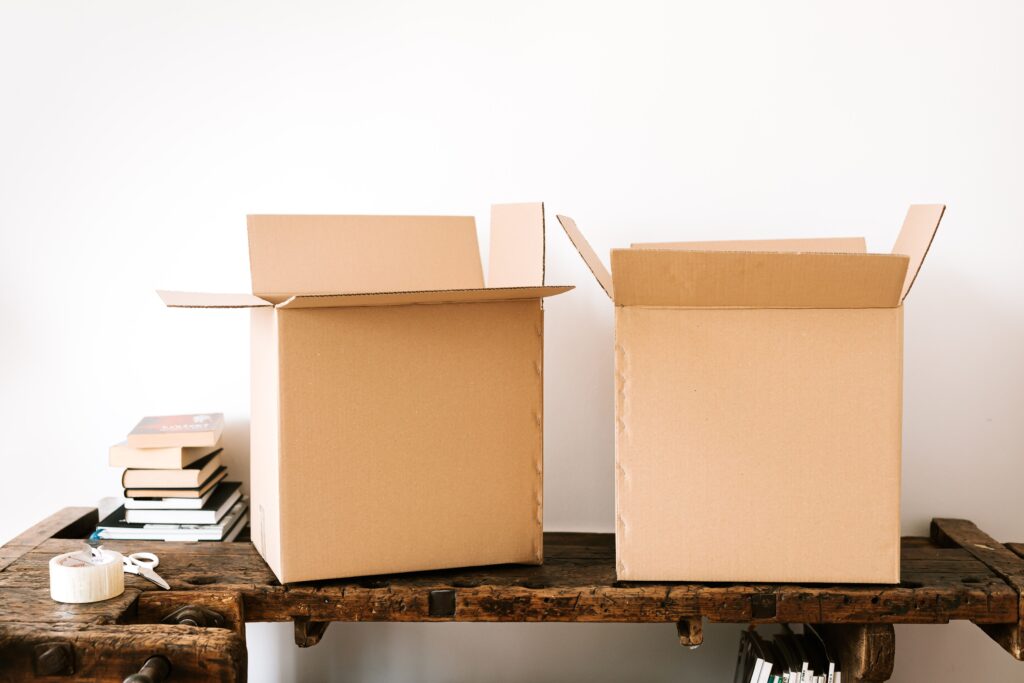
Clear Off All Surfaces
Kitchen counters, coffee tables, desks, and nightstands often collect mail, cups, keys, and other items throughout the day. Remove everything, put away what belongs elsewhere, and keep only what you use regularly or genuinely enjoy displaying.
Related: 18 Surefire Ways To Destress, Declutter and Find Balance
Follow the One-In, One-Out Rule
Whenever you bring something new into your home, let go of a similar item you no longer need. A new sweater might mean donating one you rarely wear, while a new kitchen gadget could replace an older tool that sits unused in a drawer.
Related: 12 Things You’ll Regret Throwing Away When Decluttering
Remove One Item Each Day
Getting rid of one unwanted item every day is a manageable way to make progress without setting aside hours for a big cleanout. Start with an old magazine, a worn-out shirt, an unused appliance, or anything else that’s taking up space without serving a purpose.
Related: 13 Practical Decluttering Tips to Help Hoarders Take Back Their Space
Create a Home for Clutter
Mail, shopping bags, toys, and miscellaneous belongings tend to pile up when there’s no clear place to put them. Set up a small basket or bin for items that need sorting, donating, or selling, and empty it regularly so it doesn’t become another source of clutter.
Related: 10 Signs Your Home Is Ready for a Serious Decluttering Session
Declutter One Area at a Time
Trying to tackle the whole house at once can leave you with piles of belongings and unfinished projects scattered from room to room. Pick one drawer, shelf, closet, or corner, finish sorting it, and move on to the next area when you’re ready.
Make a Decluttering Checklist
Writing down the areas you want to tackle helps you keep track of your tasks and see how much you’ve accomplished. List manageable jobs such as sorting a bathroom drawer, clearing a kitchen cabinet, or going through one section of your wardrobe.
Rethink Your Home Decor
Decorative pieces can make a room feel personal, but too many items on shelves and tables can leave the space looking crowded. Keep the pieces you love most, store the rest, and rotate decorations throughout the year to give your rooms a fresh look without buying more.
Sort Items Into Categories
It’s easy to move clutter from one room to another without deciding what to do with it. Create separate groups for items to keep, donate, sell, recycle, or throw away, then deal with each group before moving on to the next task.
Use Vertical Storage
Walls and the space above furniture can provide extra room when cabinets and floors are already full. Install shelves, hooks, pegboards, or hanging organizers to store everyday belongings while keeping counters and walkways free.
Try the 90/90 Rule
Ask yourself whether you’ve used an item in the past 90 days and whether you’re likely to need it during the next 90 days. Seasonal clothing, emergency supplies, and sentimental keepsakes may be exceptions, but the rule can help you reconsider belongings you keep out of habit.
Take Before and After Photos
Taking a photo before you start clearing an area gives you a record of what it looked like before the work began. Compare it with a picture afterward to see your progress and remind yourself how much better the space feels when unnecessary items are gone.
Spend 15 Minutes Cleaning Up Each Night
Set aside 15 minutes before bed to put away stray belongings, clear counters, and return everyday items to their usual spots. A short evening reset can keep small messes from turning into a much bigger job by the end of the week.
Choose Furniture With Extra Storage
Furniture with built-in storage can help you keep blankets, toys, shoes, and other belongings out of sight without adding more cabinets. Look for storage ottomans, beds with drawers, or benches with compartments that suit your room and the items you need to store.
Create a Drop Zone Near the Door
Keys, wallets, mail, bags, and sunglasses often end up scattered around the house because everyone puts them down in a different spot. Place a tray, basket, and a few hooks near the entrance so everyday items have a regular home and are easier to find before heading out.