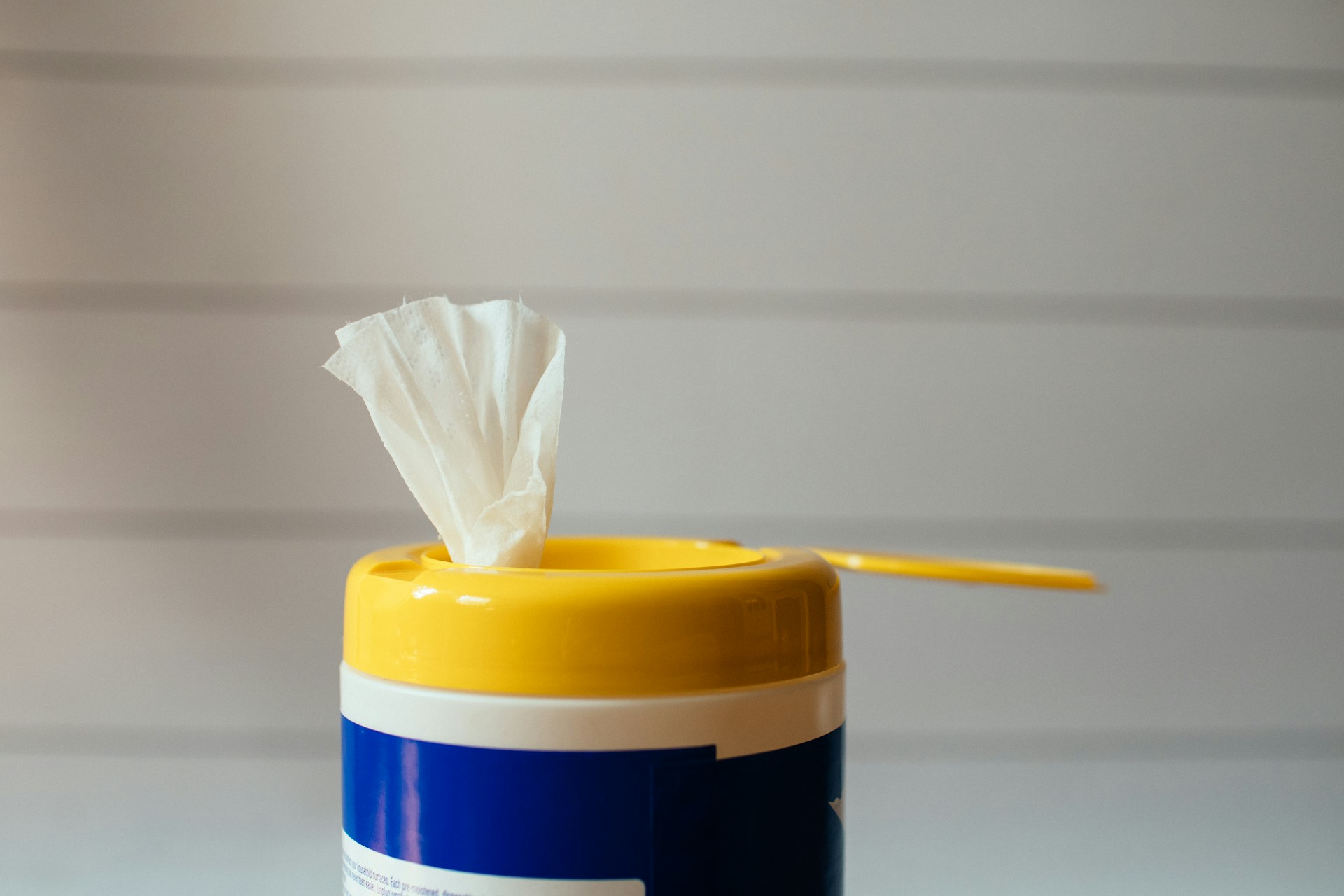
Disinfecting wipes are one of those cleaning products that make life easier. They’re quick, convenient, and perfect for wiping down frequently touched surfaces, especially when you don’t want to pull out a bunch of cleaning supplies.
But just because something needs cleaning doesn’t mean a disinfecting wipe is the best choice. Some surfaces are surprisingly sensitive to the chemicals in these wipes, and regular use can cause discoloration, damage protective finishes, or leave behind residue you don’t want.
Before you reach for another wipe, here are 10 things around your home that are better cleaned another way.
Fresh Fruits and Vegetables
Disinfecting wipes may be useful for certain kitchen surfaces, but never use them to clean apples, tomatoes, or other produce. The chemicals aren’t intended for food and can leave unwanted residue, so wash fruits and vegetables under running water instead.
Leather Furniture, Handbags, and Car Seats
Leather couches, handbags, and car seats might seem sturdy enough to handle a disinfecting wipe, but many cleaning chemicals can gradually dry out the material or damage its finish. A cleaner made specifically for leather is a better option for keeping it looking good without causing unnecessary wear.
Granite and Natural Stone Countertops
Those convenient wipes might seem perfect for cleaning kitchen countertops, but certain disinfectants can damage the sealant protecting granite, marble, and other natural stones. Once that protective layer wears down, the surface may become more vulnerable to stains, so use a stone-safe cleaner or mild dish soap and water for everyday cleaning.
Eyeglasses and Camera Lenses
It’s tempting to grab a disinfecting wipe when your glasses or camera lens gets smudged, but the chemicals may damage special coatings designed to reduce glare and protect the surface. A clean microfiber cloth and an appropriate lens-cleaning solution will usually do the job without putting those coatings at risk.
Smartphone Screens
Your phone probably gets touched more than almost anything else you own, but that doesn’t mean every disinfecting wipe is safe to use. Some cleaning products can wear down protective screen coatings, so check your phone manufacturer’s recommendations and avoid getting moisture near buttons, speakers, and charging ports.
Unfinished Wood Furniture
Raw or unfinished wood can absorb moisture and chemicals from disinfecting wipes, potentially leaving behind stains, discoloration, or raised grain. Instead of wiping it down with disinfectant, use a soft cloth and follow the wood’s recommended cleaning instructions.
Delicate Jewelry
It might seem harmless to give your jewelry a quick wipe, but disinfecting chemicals can damage delicate gemstones like pearls, opals, and turquoise. Some jewelry finishes and adhesives are also sensitive to harsh cleaners, so stick with a soft cloth or a cleaning method recommended for your particular jewelry.
Upholstered Furniture and Carpets
A disinfecting wipe might seem like a quick solution for a dirty spot on your couch or carpet, but these products aren’t designed to clean or disinfect most fabrics. They can leave residue or discoloration without reaching dirt beneath the surface, so use an upholstery or carpet cleaner appropriate for the material.
Dishes and Food Storage Containers
You might be tempted to wipe down a plate, cutting board, or food container when you’re in a hurry, but not every disinfecting wipe is approved for food-contact surfaces. Some products require rinsing with drinking water afterward, so washing dishes and containers with dish soap and water is usually the simpler and safer choice.
Charging Ports and Electronic Openings
Even if a disinfecting wipe is approved for the outside of your phone or laptop, you should keep it away from charging ports, speakers, and other openings. Moisture can get trapped inside and damage sensitive components, so use a dry, soft brush or another manufacturer-approved method to clean those areas.