




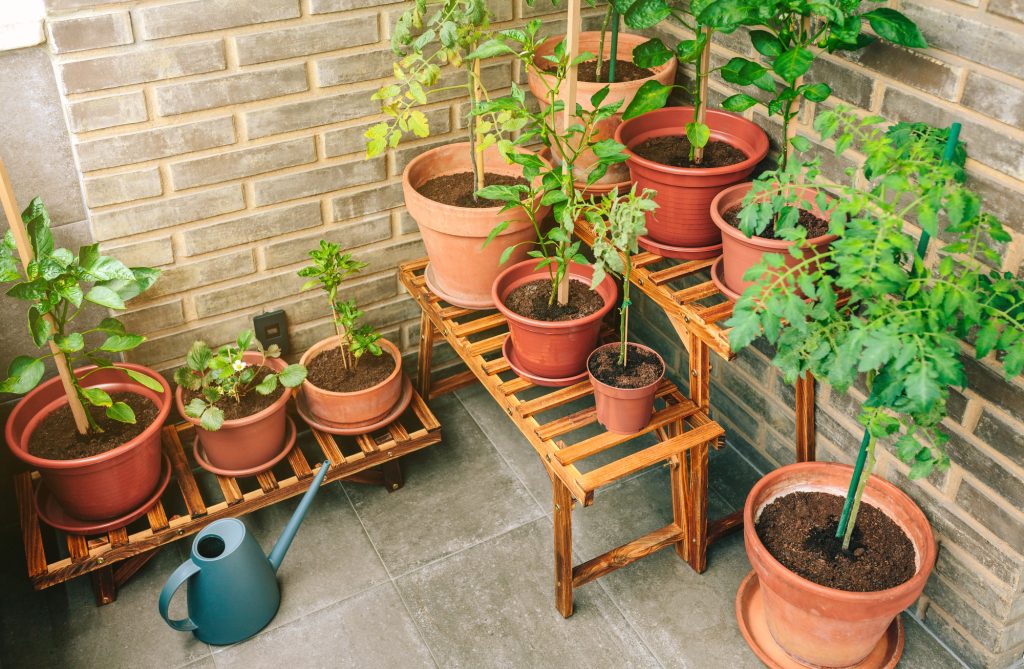
Having limited outdoor space shouldn’t be an issue when it comes to growing vegetables! Some vegetable crops can produce abundant yields in small spaces, making them perfect for balconies, terraces, and small yards. Here’s how you can Creating a Small Patio Veggie Garden with some of the best vegetables you can grow.
Transforming a small patio into a productive vegetable garden is easier than you might think. By using smart strategies and maximizing every inch of space, you can enjoy fresh, homegrown produce even in an urban environment. Here are some practical tips to help you get started:
Think Vertically
Maximize your patio’s potential with vertical gardening techniques. Install trellises for climbing vegetables like beans or cucumbers, and use hanging planters to grow herbs, strawberries, or even cherry tomatoes. Vertical gardening saves space but also creates a lush, green wall that enhances your outdoor area.
All You Need to Know About Indoor Vertical Gardening
Choose the Right Plants
Opt for compact, high-yield vegetables suited for small spaces. Cherry tomatoes, lettuce, spinach, and radishes are great options. These plants grow quickly and efficiently, allowing you to harvest more in less space. Look for dwarf or container-specific varieties for the best results.
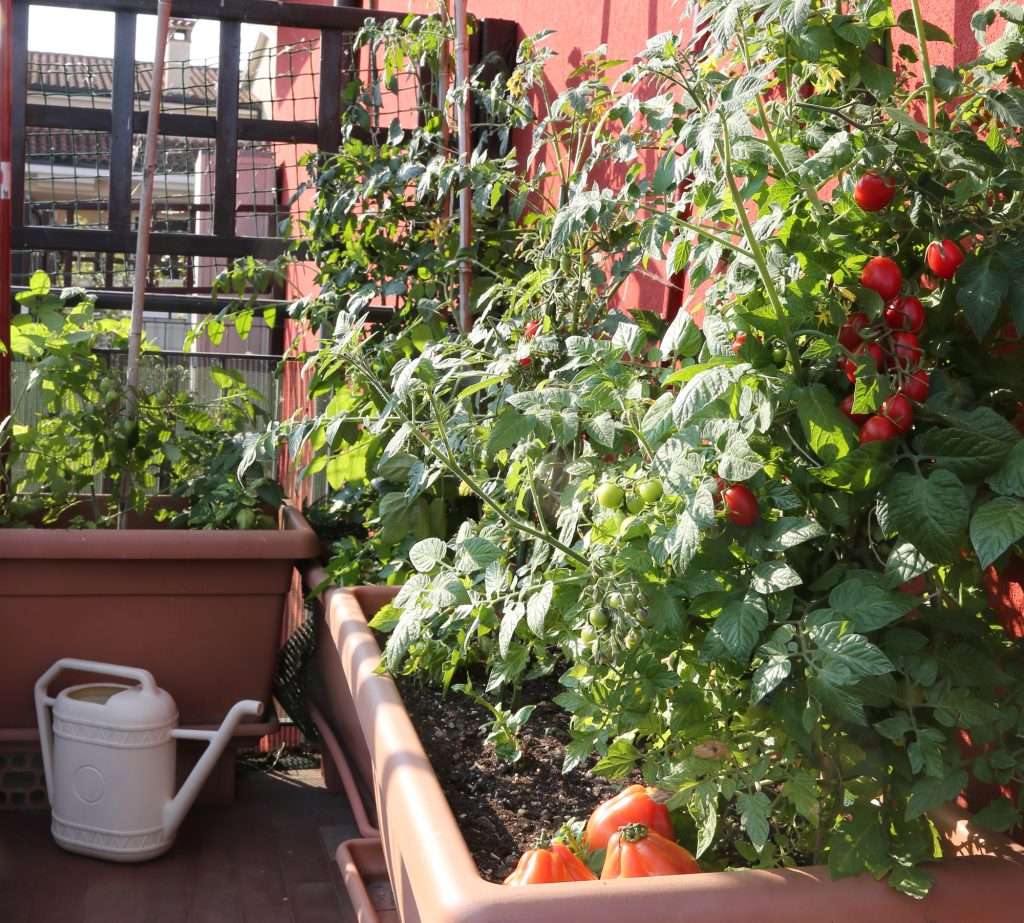
Use the Right Containers
Invest in containers with proper drainage to prevent waterlogging and root rot. Self-watering containers are an excellent choice for busy urban gardeners, as they reduce the need for frequent watering while maintaining consistent moisture levels for your plants.
Prioritize Soil Quality
Fill your containers with high-quality potting mix that has good drainage and a slightly acidic to neutral pH. Avoid using regular garden soil, as it can compact easily in containers and may not provide the nutrients your plants need. Consider adding organic compost to enrich the soil for better growth.
Manage Pests Naturally
Urban gardens are not immune to pests, but you can keep them at bay with eco-friendly solutions. Introduce beneficial insects like ladybugs and lacewings, which prey on common garden pests. Neem oil sprays are also effective and safe for vegetables, helping to maintain a healthy garden without harsh chemicals.
By implementing these solutions, you can turn even the smallest patio into a thriving vegetable garden. Your urban garden will provide fresh produce and a peaceful green retreat right in the heart of the city.
17 Best Vegetables to Grow on a Small Patio
1. Tomatoes

Tomato plants will thrive on a sunny patio, providing regular harvests of delicious sun-kissed fruits all summer long. Choose tomato varieties that suit the space you have available – cherry tomatoes for hanging baskets, bush tomatoes for containers, and taller indeterminate varieties for growbags. Make sure to use good-quality organic compost to provide all the nutrients your tomato plants need for vigorous growth and fruit development.
2. Lettuce

Did you know that some lettuce varieties can be grown all year round? That’s right – with some clever use of container gardening on your patio, you may never need to buy another tasteless wilted lettuce from the grocery store again! The best way to grow a continuous supply of lettuce is to sow ‘cut and come again’ varieties or by picking the outer leaves of larger lettuces as and when required.
3. Swiss Chard

The rainbow-like effect of different types of
4. Chili

Chili peppers are heat-loving plants and often do better on a sunny patio than in cooler yards or gardens. Plant chilies in nutrient-rich compost and feed them regularly with organic fertilizer during the summer months. Chili plants are normally grown as annuals but can be overwintered on a sunny patio if protected from frost.
5. Mini Cucumbers

Mini cucumbers are great fun to grow on a patio They produce perfect snack-sized crisp, fresh, and delicious fruits. Mini cucumber plants can be trained to grow vertically up a trellis or canes placed against a sunny wall or railings. Remember to pick cucumbers as soon as they are large enough, as they quickly become oversized and inedible.
6. Peas

Peas are the ideal crop to fill the ‘hungry gap’ in your patio garden – the lull that occurs in spring when the winter crops end their life cycle and we’re waiting for summer veg to start producing. Pick pea pods as soon as they are ready and your plants will go on producing a good yield for several weeks.
7. Bell Peppers

Bell peppers are a summer crop that will relish the extra heat of a sheltered sunny patio. These plants are heavy feeders, so use a good-quality growing medium that provides plenty of nutrients. Bell pepper plants can be slow to reach maturity, so they may need to be started indoors a few weeks before the last expected frost date.
8. Radishes

No vegetable crop grows faster than radishes – you’ll pick the first crisp little radishes just a few weeks after sowing!
9. Zucchini (climbing or bush varieties)

Zucchini plants are notorious for taking up a lot of space, but climbing or bush varieties are surprisingly compact and can be grown in containers on a patio. For added interest, choose zucchinis in a range of colors and shapes to create a stunning visual display on your patio. The plants will also provide plenty of leafy shade during the summer months.
10. Eggplant

Eggplants simply love the heat – the more, the better! So, if you’ve got a sunny corner of your patio, try growing a few eggplants in small containers or pots. South or west-facing balconies are the best option as they remain warm through the night. Eggplants grow very slowly and should be started indoors in early spring.
11. Carrots

Carrots can be sown quite densely in containers, making them a good crop to grow when space is limited. Once the seeds have germinated, thin them out to the recommended spacing –
12. Rosemary

No patio garden is complete without an array of fragrant herbs like Rosemary. Not only do herbs make a flavorsome addition to your food, but many also repel biting insects and attract beneficial pollinators. When growing herbs in containers, it is a good idea to group specific herb types that share similar preferences in terms of soil type and water requirements.
13. Green Onions
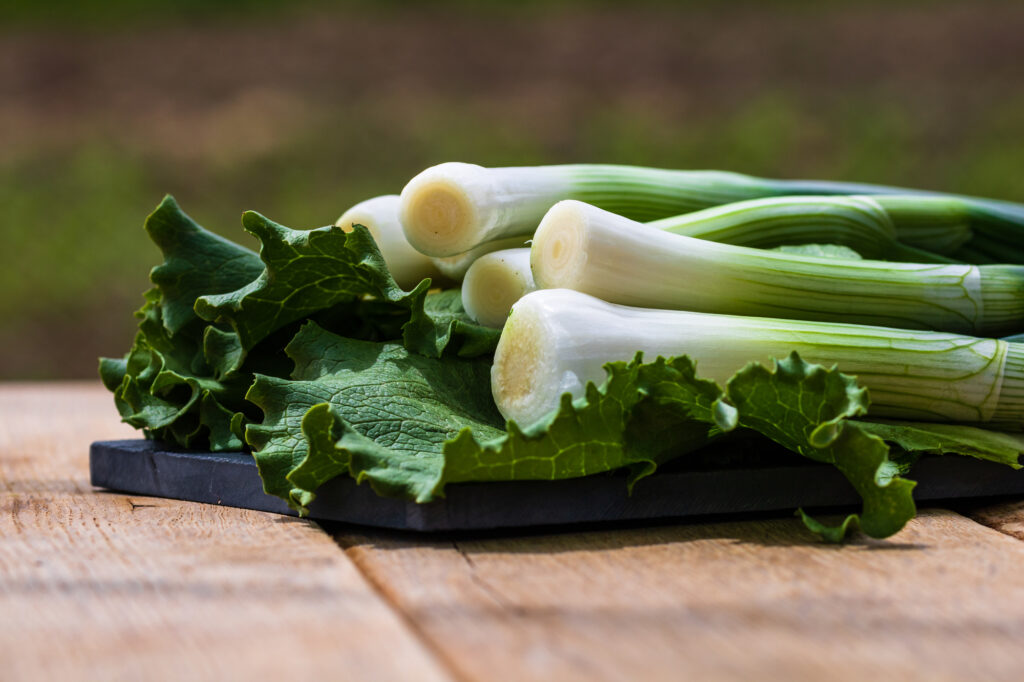
Green onions are a great place to start if you want to grow one completely foolproof vegetable crop. Green onions are grown from bulbs (also known as sets) planted in good-quality compost about 3” apart. Water these bulbs regularly, and within a few months, you’ll be rewarded with a crop of deliciously crisp green onions, perfect for summer salads, pickles, and sandwiches.
14. Kale

Kale is the perfect winter crop for your patio vegetable garden – this leafy green thrives in cooler temperatures. It will produce a continuous supply of delicious leaves from fall to spring. Kale can withstand frost, hail, snow, and icy winds, making it one of the most robust patio crops you can grow.
15. Beets

Beets are as easy to grow as radishes but just take slightly longer to mature. When growing
16. Thyme

Thyme is a fantastic herb to grow on a patio, much like rosemary. No patio garden should be without a selection of fragrant herbs, which add flavor to your dishes and repel biting insects and attract helpful pollinators. Thyme, in particular, is effective at repelling mosquitoes, thanks to the oil released from its crushed leaves. When planting herbs in containers, it’s beneficial to group herbs that have similar soil and water needs.
How to Dry Fresh Thyme – 5 Methods
17. Basil

Like rosemary, basil is a perfect herb for cooking and is efficient at repelling mosquitoes. Place this mosquito-repelling plant near the balcony, patio, deck, or any other outdoor space where you spend the most time. Basil makes an excellent addition to many cuisines.