There’s a new trend making its way around social media called underconsumption. Apparently, we’re all supposed to be impressed by it. The idea is to buy less, use what you already own, and stop replacing perfectly good things just because something newer or prettier comes along.
Sound familiar? That’s probably because our grandparents did this long before anyone gave it a trendy name.
For generations, people made their belongings last, saved what they could, and thought twice before spending money on something they didn’t really need. It wasn’t about creating an aesthetic or proving how little you could live with. It was simply how they managed their households and made their money stretch.
And now, some of those same old-fashioned habits are making a comeback.

Making Things at Home Instead of Buying Everything
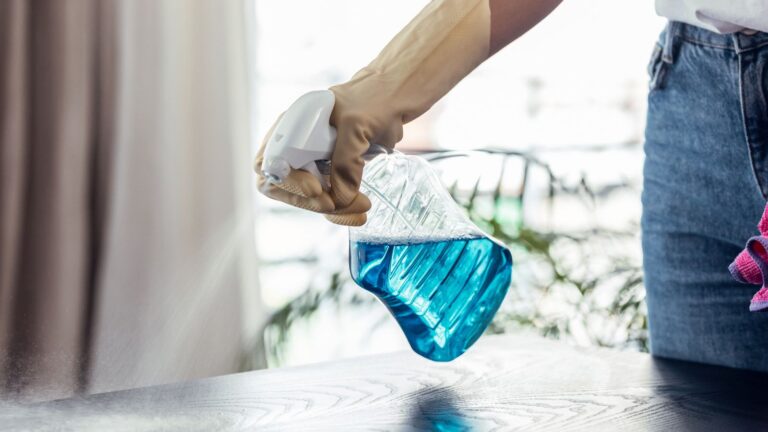
Our grandparents knew that not everything needed to come from a store. They made meals from scratch, mixed simple household cleaning solutions, repaired clothes, and found ways to use ingredients and supplies they already had.
Of course, making something yourself isn’t always cheaper, especially when you consider the time and ingredients involved. But before buying another specialty cleaner or convenience product, ask whether you can make a practical alternative with what you already have. Just follow safe recipes, especially for cleaning products.
Making Coffee at Home Instead of Buying It Every Day
For many people, coffee used to be something you brewed at home before starting the day. You didn’t have a daily stop for a $6 drink or a collection of expensive coffee pods in every flavor imaginable.
You don’t have to give up your favorite coffee shop completely, but making your everyday coffee at home can save a surprising amount over time. Keep the occasional specialty drink as a treat rather than something you automatically purchase every morning.
Buying Furniture Secondhand Instead of Always Buying New
Our grandparents weren’t necessarily replacing their furniture every time decorating trends changed. A good wooden dresser, dining table, or set of chairs could stay in the family for decades, sometimes getting refinished or repaired along the way.
Thrift stores, estate sales, yard sales, and secondhand marketplaces are still great places to find furniture with plenty of life left. And unlike some inexpensive new furniture, older solid-wood pieces can often be repaired or refinished rather than thrown away when they start showing wear.
Wearing Clothes Until They’re Actually Worn Out
There was a time when you didn’t buy new clothes every time the seasons changed. You wore what you had, cared for it, and replaced it when it no longer fit or couldn’t be repaired.
Today, it’s easy to feel like your wardrobe needs a complete refresh every few months, especially with new trends constantly popping up online. But there’s nothing wrong with wearing the same favorite sweater for five years or keeping a pair of jeans until they’re practically falling apart. If your clothes still fit and you like wearing them, why replace them?
Using Every Last Drop Before Buying More
Our grandparents didn’t collect five different bottles of shampoo or open a new lotion while three others sat half-empty in the bathroom. They used what they bought, and when it was finished, they replaced it.
Somewhere along the way, we started treating everyday products like things we needed to collect. Before buying another skincare product, cleaning spray, or bottle of conditioner, check what’s already sitting in your cabinets. You might be surprised by how much money you’ve spent on things you haven’t even finished.
Fixing Things Instead of Throwing Them Away
A missing button, loose chair leg, or broken zipper didn’t automatically mean something needed replacing. People kept basic tools, sewing supplies, and a little patience on hand because fixing things was often cheaper than buying new ones.
These days, replacing something can feel easier than figuring out how to repair it. But learning a few simple skills, like sewing a button or tightening a wobbly table, can save you money and keep useful belongings out of the trash.
Saving Glass Jars Because They’re Still Useful
If your grandmother had a cabinet full of old pickle jars, jam jars, and coffee containers, she was practicing underconsumption before it became popular.
Those containers were perfect for storing leftovers, organizing buttons, keeping small household items together, or holding pantry staples. You don’t need to buy an expensive set of matching containers when something you already have can do the same job. Just save the ones you’ll actually use and recycle the rest.
Using Washcloths Instead of Going Through Rolls of Paper Towels
Paper towels are convenient, but you have to keep buying them over and over again. Our grandparents were much more likely to grab a dishcloth, wipe up the mess, and toss it in the laundry.
A small stack of reusable cleaning cloths can handle most everyday spills, countertops, and household messes. You can even turn old T-shirts or worn-out towels into cleaning rags instead of buying something new. It’s a simple habit that saves money without requiring much effort.
Related: 12 Dollar Tree items you might regret not buying before the next emergency
Reusing Containers Instead of Buying Disposable Bags
Before disposable storage bags became an everyday kitchen staple, people relied on bowls, jars, and reusable containers to store food. Leftovers went into whatever clean container was available, and lunch was packed in something you could wash and reuse.
There’s nothing wrong with keeping a box of plastic bags around for convenience, but they don’t have to be your first choice for everything. Reusing containers you already own can cut down on waste and eliminate another recurring grocery purchase.
Keeping a Simple Bar of Soap by the Sink
Somewhere along the way, a basic bar of soap turned into an entire collection of liquid hand soaps, body washes, and specialty products for every bathroom in the house.
But a simple bar of soap still does the job, often for less money and with less packaging. Keep it on a draining soap dish to make it last longer, and use it until it’s gone. Sometimes the simplest products are the ones worth sticking with.
Maybe Grandma Had It Right All Along
The funny thing about underconsumption is that we’re treating simple money-saving habits as if they’ve just been discovered. Using what you have, repairing what breaks, and avoiding unnecessary purchases were simply part of everyday life for many previous generations.
And maybe that’s why the trend is catching on. With so much pressure to buy the newest products, update our homes, and keep up with changing trends, it feels refreshing to realize we don’t actually need more stuff.