Paying bills ahead of their due dates can save you from late fees, missed payments, and last-minute stress. A little planning each month can make it easier to manage household expenses and keep your accounts in good standing.
You don’t need to pay every bill weeks in advance to stay organized. Start with the payments that carry the biggest penalties for being late, then set up a schedule that fits your payday and budget.
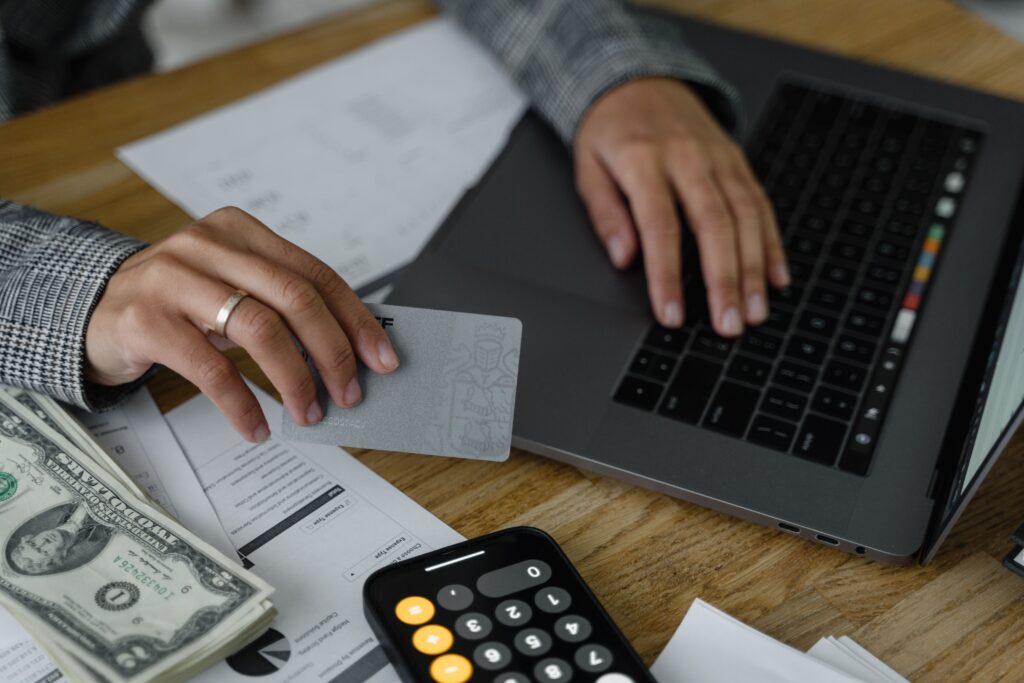
Credit Card Bills
Paying your credit card bill before the due date helps you avoid late fees, and paying down a balance sooner may reduce interest charges if you carry debt. Making a payment before your statement closes can also lower the balance reported to credit bureaus, which may benefit your credit score.
Related: 17 Forgotten Life Skills That Could Make You More Capable at Home and Beyond
Utility Bills
Electricity, water, gas, and internet bills cover services you depend on every day, and late payments can lead to extra charges or service interruptions. Paying a few days early gives you breathing room if a bank transfer takes longer than expected or the due date falls near a weekend.
Related: 12 Ways People Got By During the Great Depression That Could Save You Money Now
Car Payments
Missing a car loan payment can lead to late fees and may damage your credit history if the payment becomes seriously overdue. Paying early keeps you on schedule, while extra payments toward the principal may reduce total interest if your lender allows them without a penalty.
Related: 15 Smart Ways to Build a Food Stockpile for Just $10 a Week
Insurance Premiums
Auto, home, health, and life insurance policies require payments to keep coverage active under the terms of your policy. Paying before the deadline gives you time to fix a declined payment or billing error before your coverage is put at risk.
Related: 18 Travel Essentials That Can Come in Handy During an Emergency
Student Loan Payments
Student loans may accrue interest over time, depending on the loan terms and repayment status. Paying more than the required amount can reduce your overall borrowing costs, so check with your loan servicer to see how extra payments are applied.
Bank Loan Payments
Personal loans and other bank loans have set payment dates, and missing one may lead to fees or negative credit reporting. Set a reminder a few days ahead or schedule an automatic payment for before the deadline to keep the account current.
Mortgage and Rent Payments
Late rent can lead to fees, while missed mortgage payments can have serious consequences for your credit and housing. Paying your housing bill soon after your paycheck arrives can help you set the money aside before other expenses use it up.
Tuition Bills
Colleges, private schools, and training programs often have firm payment deadlines, and late payments may lead to penalties or registration holds. Check the school’s payment calendar early and ask about installment plans or early-payment discounts before sending money ahead of schedule.
Daycare and Childcare Payments
Childcare providers often depend on payments arriving on time to cover staffing and daily operating costs. Paying early can prevent late charges and give you time to resolve billing issues before they affect your family’s care arrangements.
Phone Bills
Your phone may be needed for work, family calls, banking, and emergency communication, so losing service can create problems. Paying before the due date or setting a reminder a few days ahead can help you avoid late charges and interruptions.
Medical Bills
Medical expenses can pile up after appointments, tests, or hospital visits, and leaving bills unanswered may lead to collection notices or more financial stress. If the full amount isn’t affordable, contact the provider to ask about financial assistance, a payment plan, or a review of the charges before deciding what to pay.
Property Taxes
Property tax deadlines depend on where you live, and late payments can bring penalties and interest charges. Check your local tax office’s payment schedule and ask whether discounts are available for paying early.
HOA Fees
Homeowners association fees may be due monthly, quarterly, or once a year, depending on your community’s rules. Mark the due dates on your calendar and pay ahead when your budget allows to avoid late charges and account disputes.
Subscription Services
Streaming platforms, gym memberships, software, and other subscriptions often renew automatically using the payment method on file. Check renewal dates and bank statements regularly, then cancel anything you no longer use before another charge appears.
Business Expenses
Business owners may need to cover taxes, license fees, supplier invoices, payroll, and other operating costs by set deadlines. Keep a calendar of upcoming payments and set money aside in advance to avoid penalties and maintain good relationships with vendors.
Building a habit of paying bills early can make your finances feel less rushed and prevent avoidable fees. Start with your most important payments, leave enough money for daily expenses, and use reminders or automatic payments to stay on schedule.