During the Great Depression, many families had to stretch every dollar and find ways to make everyday supplies last longer. They grew food, repaired worn items, reused household materials, and learned to get more out of what they already had.
Some of those habits still make sense for households trying to spend less today. You don’t need to change your entire lifestyle at once, since even a few practical changes can help lower grocery costs and reduce waste.
Grow Some of Your Own Food
Growing herbs, tomatoes, lettuce, or other vegetables at home can help reduce grocery trips during the growing season. Start a few plants from seed, use containers if you have limited space, and choose crops suited to your local climate.
Related: 16 Ways to Make Food Last Longer at Home
Raise Livestock
A small flock of chickens can provide fresh eggs, but you’ll need to factor in feed, housing, daily care, and local rules. Some households also raise ducks, rabbits, goats, or meat birds, but it’s worth working out the expenses before deciding whether keeping animals will save money.
Preserve Your Harvest
Freezing vegetables, drying herbs, and storing suitable crops such as onions, potatoes, and winter squash can help you enjoy your harvest for months. A vacuum sealer may also help protect frozen food from freezer burn, especially if you regularly store meat or vegetables.
Make the Most of Leftovers
Leftover vegetables, meat, and grains can become tomorrow’s lunch, soup, casserole, or sandwich rather than going into the trash. Planning meals around food you already have helps reduce waste and makes better use of what you’ve paid for.
Related: 20 Foods That May Help Relieve Pain Naturally
Learn to Forage
Learning to identify edible wild plants, berries, nuts, and mushrooms can provide another food source in the right season and location. Start with reliable field guides or an experienced local forager, since some poisonous plants and mushrooms closely resemble edible varieties.
Buy Pantry Staples in Bulk
Rice, oats, flour, dried beans, and other staple foods can cost less per serving when bought in larger packages. Compare the unit prices before buying, and store food in clean, airtight containers in a cool, dry place to protect it from moisture and pests.
Eat More Meat-Free Meals
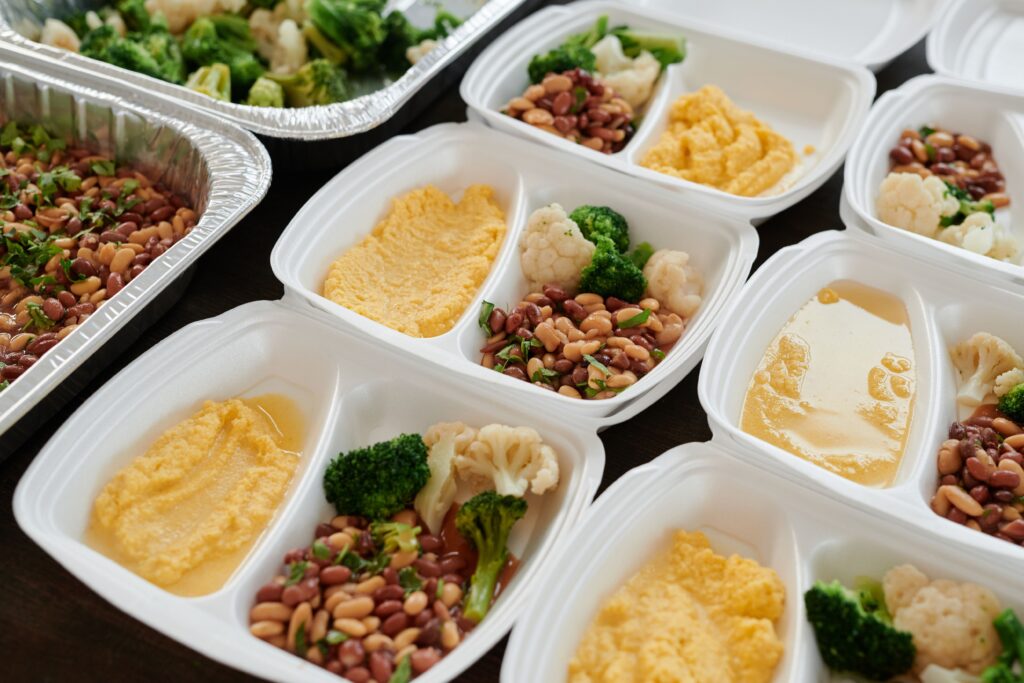
Replacing a few meat-based dinners each week with beans, lentils, or chickpeas can help lower grocery costs without leaving you short on protein. Pair legumes with rice, pasta, vegetables, and other pantry staples to make filling meals for the whole family.
Related: 14 Essential Food Storage Tips for Building an Emergency Supply
Trade With Friends and Neighbors
Sharing extra garden produce, homemade bread, eggs, or herbs with neighbors can help both households make better use of what they have. Some people also exchange skills, such as sewing, basic repairs, or yard work, rather than paying for every service.
Make More Food at Home
Bread, yogurt, granola, broth, crackers, and other grocery staples can often be made at home with a few basic ingredients. Start with foods your family already eats, and compare ingredient costs with store-bought versions to see which is actually cheaper to make.
Learn Basic Carpentry
Knowing how to handle small repairs can save money on jobs such as fixing a loose shelf, repairing a simple piece of furniture, or replacing damaged trim. Learn one task at a time, use the right tools, and call a qualified professional for work involving structural damage or electrical systems.
Know Basic First Aid
A well-stocked first aid kit and basic training can help you handle minor cuts, scrapes, and other everyday injuries at home. Learn when an injury needs medical attention, and keep supplies within their expiration dates so they’re ready when needed.
Reuse Before Replacing
Glass jars can hold small supplies, worn clothing can become cleaning rags, and sturdy boxes can help organize household items. Before throwing something away, check whether it’s clean, safe, and suitable for another purpose.
Learn Home Canning
Canning lets you preserve suitable fruits, vegetables, sauces, jams, and other foods for later use. Follow tested recipes and use the correct method for each food, since low-acid foods such as vegetables and meat require pressure canning rather than an ordinary boiling water bath.
Repair Instead of Replacing
A loose button, torn seam, or small hole doesn’t always mean a garment needs to be thrown away. Learning basic sewing and simple household repair skills can extend the useful life of clothing, linens, and other belongings.
Keep a Well-Stocked Pantry
Keeping flour, rice, pasta, beans, canned foods, oats, and baking supplies on hand makes it easier to prepare meals without running to the store for every ingredient. Rotate older items to the front and replace food as you use it so supplies
Related: 10 Canned Beans Every Emergency Pantry Should Have