A well-stocked pantry is about more than preparing for emergencies. It can save time, reduce stress, and make everyday meals easier. Whether you are dealing with a storm, power outage, supply shortage, or a situation that keeps you away from the store, having food stored at home gives you another layer of security.
Building a food supply is only part of the process. How you store that food matters just as much. Poor storage conditions can lead to spoiled food, wasted money, and supplies that are unusable when you need them most.
Following proper storage habits helps your food last longer and keeps your pantry organized. These rules can help you protect your investment and maintain a reliable supply for your household.
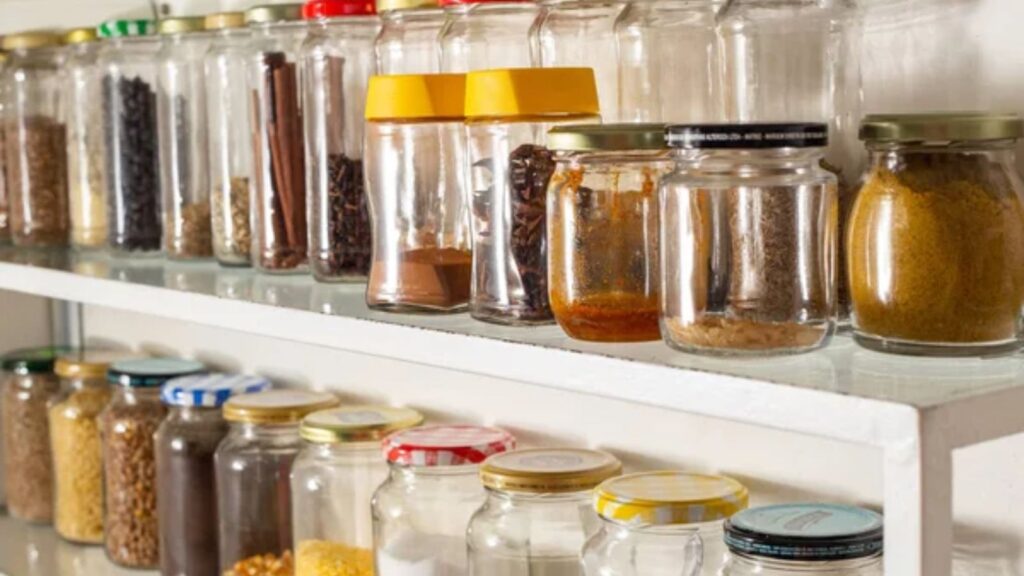
Store Foods Your Family Already Eats
A food supply should be made up of items your household already enjoys. Buying large amounts of unfamiliar foods often leads to waste because nobody wants to eat them.
Familiar foods can also provide comfort during stressful situations. Having meals that your family knows and likes can make difficult circumstances a little easier.
Related: 13 Grocery Stores That Help Stretch Your Food Budget
Rotate Your Stock Using the FIFO Method
The First In, First Out (FIFO) method is one of the simplest ways to manage stored food. Use the oldest items first and place newer purchases behind them.
When adding new supplies, move older cans, boxes, and packages to the front of the shelf. This keeps your food supply moving and helps prevent items from being forgotten.
Keep Food Cool, Dark, and Dry
Storage conditions play a major role in how long food lasts. Most shelf-stable foods stay in better condition when kept away from heat, sunlight, and moisture.
A cool, dark room, basement, or pantry is usually a better choice than areas exposed to temperature changes. In humid locations, a dehumidifier can help protect food from moisture damage.
Related: 23 Everyday Grocery Items Worth Stocking Before a Food Shortage
Use Airtight and Pest-Resistant Containers
Proper containers help protect food from insects, rodents, and humidity. Mylar bags, food-grade buckets, vacuum-sealed bags, and glass jars are useful options for many dry goods.
Sealed storage containers also make it easier to organize supplies and keep track of what you have available.
Keep Food Off the Floor
Food should be stored on shelves, pallets, or raised platforms instead of directly on the floor. A small leak, flood, or pest problem can quickly damage supplies sitting on the ground.
Keeping items elevated also makes cleaning and checking your storage area much easier.
Preserve Your Own Food
Home preservation methods such as canning, dehydrating, and freeze-drying can add variety to your food supply. Fruits, vegetables, and meats can be preserved for long-term storage when proper safety methods are followed.
Learning these skills can reduce waste and give you more control over the foods available in your pantry.
Related: 15 Forgotten Pantry Staples That Might Need Tossing
Control Humidity Levels
Moisture is one of the biggest threats to stored food. High humidity can cause mold, spoil dry goods, and damage packaging.
Grains, powdered foods, and other dry items need extra protection from damp conditions. Keeping storage areas dry helps maintain food quality for a longer period.
Label Everything With Dates
Every stored item should have a clear date showing when it was purchased or prepared. Labels make it easier to rotate supplies and quickly identify older items.
Expiration dates can serve as a guide, but many properly stored foods remain usable beyond the date printed on the package.
Store Food in Multiple Locations
Keeping your entire food supply in one place can create problems if that area becomes damaged. Spreading supplies between different storage areas can provide extra protection.
A pantry, basement, closet, or other suitable location can each hold part of your supply. This also makes it easier to organize different types of food.
Related: Say Goodbye to These 8 Pantry Items Now
Keep an Updated Inventory
Knowing what you have prevents unnecessary purchases and helps you notice missing items. An inventory list can be kept in a notebook, spreadsheet, or phone app.
Regular checks can prevent situations where you have too much of one food and not enough variety in your supplies.
Maintain a Backup Water Supply
Food storage is important, but water is just as necessary. Keep stored drinking water available and learn about other possible water sources around your home.
Sources such as rainwater, pools, ponds, or a water heater may provide options during emergencies, but proper filtering and purification methods are required before drinking.
Protect Your Food From Pests
Rodents and insects can destroy a food supply quickly. Inspect storage areas regularly for signs of pests, damaged packaging, or droppings.
Sealed containers, proper cleaning, and natural deterrents such as bay leaves or
Keep Emergency Rations Separate
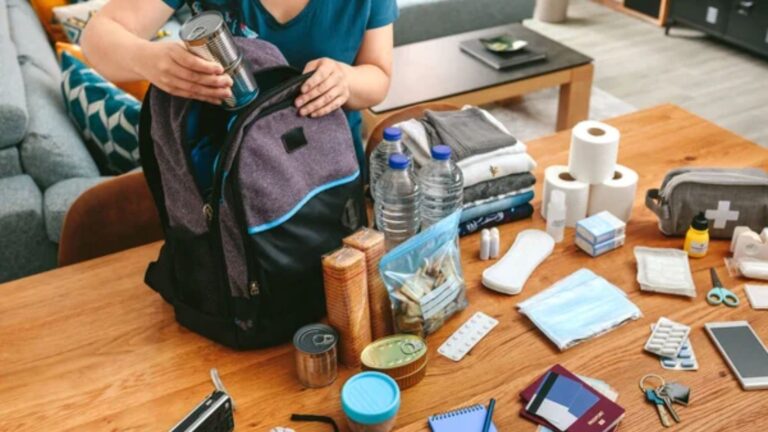
A main food supply is useful for long-term situations, but having a smaller emergency stash can help during sudden events.
Ready-to-eat foods such as protein bars, canned meals, and other portable options can be stored in an easy-to-reach location for evacuations or short-term needs.
Test and Use Your Stockpile Regularly
A food supply should be part of your normal routine instead of something that sits untouched for years. Use stored foods in everyday meals and replace what you consume.
Cooking with your stored items helps you learn what works for your family, identify missing supplies, and keep everything fresh.
Good food storage comes down to planning, organization, and regular maintenance. A pantry filled with properly stored food can provide peace of mind and help your household handle unexpected situations with fewer challenges.