When many people picture the Amish, they think of horse-drawn buggies, handmade quilts, wooden barns, and fields carefully tended by hand. But beyond those familiar images is a way of life built around self-reliance, patience, and making the most of what you have.
For generations, Amish families have passed down skills that many modern homesteaders are trying to bring back. From growing food and preserving harvests to repairing items instead of replacing them, their traditions offer plenty of ideas for anyone hoping to live a simpler and more self-sufficient life.
Here are some old-fashioned lessons homesteaders can learn from the Amish lifestyle.
1. Embrace a Simpler Way of Living
Amish life places a strong focus on family, work, faith, and community rather than collecting possessions or chasing convenience.
Homesteaders can take inspiration from this by reducing clutter, spending less time worrying about things they don’t need, and making more room for activities that bring real value to everyday life.
A simpler home often means less maintenance, fewer expenses, and more time for the things that matter most.
2. Grow Your Own Food
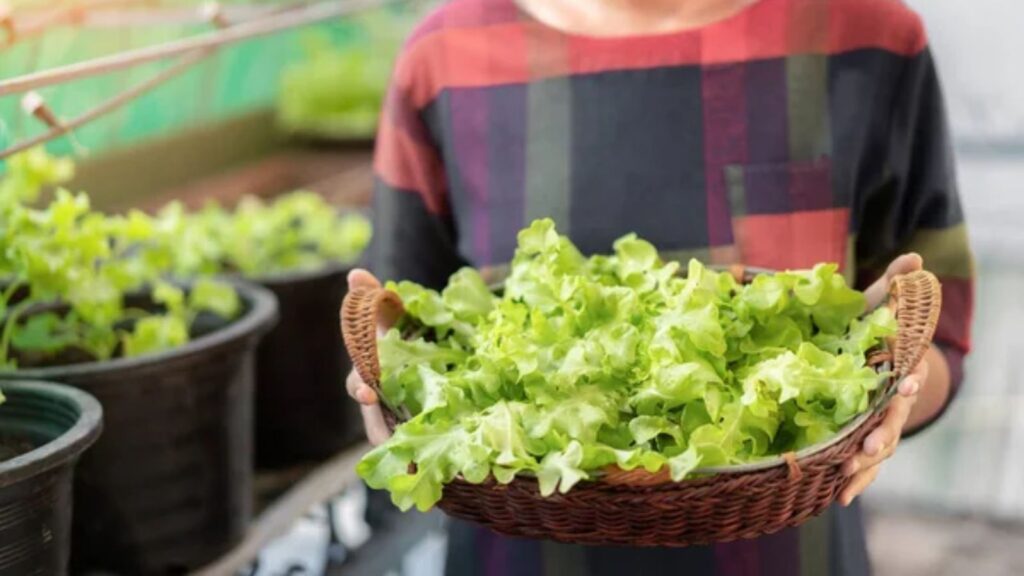
Growing food is a major part of Amish life. Large gardens, orchards, and fields provide fresh ingredients throughout the year and help families rely less on outside sources.
Many homesteaders already grow vegetables and herbs, but there is always room to expand. Planting fruit trees, berry bushes, nut trees, or perennial crops can create a long-term food source that keeps producing year after year.
3. Raise Animals Responsibly
The Amish have long raised livestock as part of their farms, including chickens, cows, and goats. Their animals are treated as valuable parts of the homestead rather than just sources of food.
Homesteaders can follow similar practices by providing proper care, allowing animals access to outdoor spaces when possible, and using natural feed sources.
4. Cook Meals From Scratch
Many Amish families prepare meals using ingredients they grow, raise, or preserve themselves. Homemade bread, soups, baked goods, and family recipes are common parts of daily life.
Cooking from scratch gives you more control over ingredients, reduces packaging waste, and can often save money compared with buying prepared foods.
5. Preserve Your Harvest
The Amish have kept traditional food preservation methods alive for generations. Canning, fermenting, drying, and pickling allow families to enjoy garden produce long after harvest season ends.
For homesteaders, learning these skills can help prevent food waste and make the most of a successful growing season.
6. Learn Handmade Skills
The Amish are well known for their craftsmanship. Furniture, quilts, tools, clothing, and household items are often made by hand with care and skill.
Homesteaders can benefit from learning traditional crafts such as woodworking, sewing, knitting, or pottery. These skills can save money and provide useful items for the home.
7. Reduce Dependence on Modern Systems
Not everyone can live completely off-grid, but small changes can still make a difference.
Using solar power, collecting rainwater, growing food, or learning basic repairs can help reduce dependence on outside resources and make a homestead more prepared.
8. Work With the Seasons
The Amish follow the natural rhythm of the year. Planting, harvesting, and preserving happen according to the seasons rather than a strict schedule disconnected from nature.
Many homesteaders find that working with seasonal cycles brings a greater appreciation for fresh food and the changing patterns of the land.
9. Build a Strong Community
Self-sufficiency doesn’t mean doing everything alone. Amish communities are built around helping one another, whether through shared work, support during difficult times, or exchanging skills.
Homesteaders can benefit from building relationships with neighbors, joining local groups, and sharing knowledge with others.
10. Live Within Your Means
The Amish lifestyle avoids unnecessary spending and places value on practicality. Instead of constantly buying new things, they often repair, reuse, and make what they need.
This mindset can help homesteaders save money and focus on long-lasting items rather than temporary trends.
11. Use Traditional Remedies
Many Amish households continue to use herbs and homemade preparations for everyday needs. Growing plants such as
Learning about traditional plant uses can be a useful skill for any homestead.
12. Make and Repair Clothing
Sewing and mending are important skills in many Amish households. Instead of throwing away damaged clothing, items are repaired, altered, or reused.
Homesteaders can bring back this habit by learning basic sewing skills or transforming thrifted clothing into something useful again.
13. Choose Quality Over Quantity
Rather than filling their homes with unnecessary possessions, Amish families often focus on buying fewer items that are practical and built to last.
This idea fits well with homesteading. A reliable tool, durable clothing, or well-made equipment can often serve you for years.
14. Practice Sustainable Farming
Traditional Amish farming methods often include practices such as crop rotation, composting, and careful soil management.
These techniques can help maintain healthy soil, reduce waste, and create productive gardens without relying heavily on chemicals.
15. Grow Heirloom Plants
Many Amish gardeners save seeds from year to year, including heirloom varieties that have been passed down through generations.
Saving seeds and trading with other gardeners can help preserve unique plant varieties while creating crops that are well suited to local growing conditions.
16. Make Family Time a Priority
Family plays a central role in Amish culture. Shared meals, chores, and daily activities create opportunities for people to spend time together.
Homesteaders can follow this example by involving family members in gardening, cooking, preserving food, and other everyday tasks.
17. Use Natural Materials
Amish homes and furniture are often made using traditional materials such as wood and stone. These materials are valued for their usefulness and long life.
Homesteaders can look for ways to use what is available locally, such as turning fallen branches into garden supports or using reclaimed materials for projects.
The Amish way of life shows that many old-fashioned skills still have a place today. Growing your own food, repairing what you own, working with nature, and building strong relationships are lessons that can benefit any homestead, large or small.