
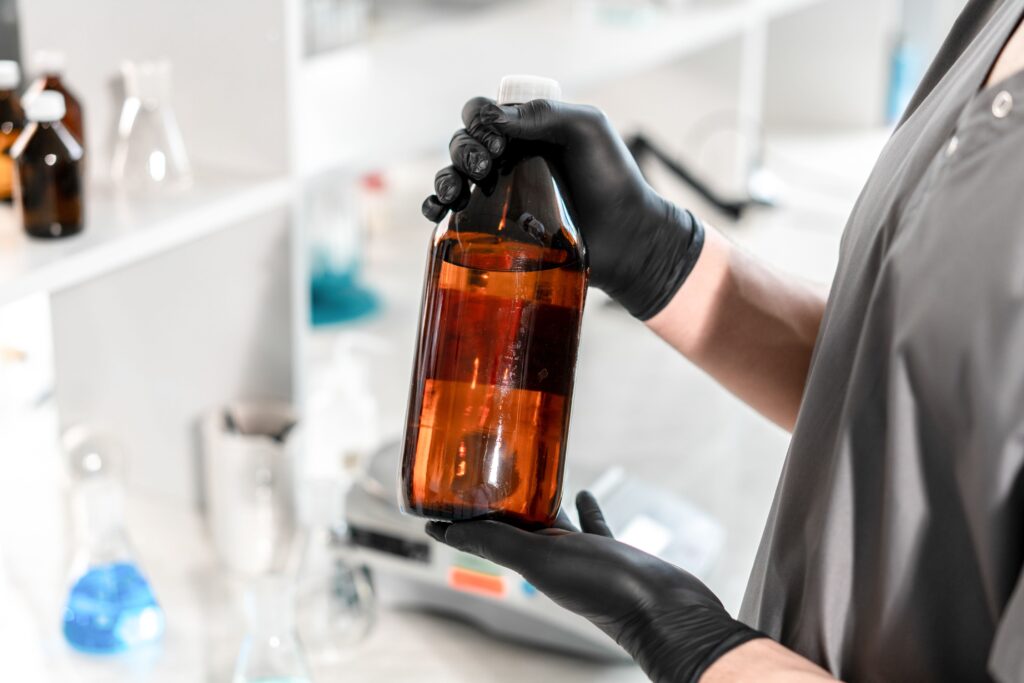
Hydrogen peroxide is one of those inexpensive household staples that tends to sit quietly in the medicine cabinet until someone needs it. Most people know it for cleaning minor cuts and scrapes, but the same bottle can also come in handy for a range of household cleaning and gardening tasks.
It can help freshen surfaces, lift certain stains, clean grout, and give gardeners another option for dealing with some common plant-care problems. Since
Here are 18 ways you can put
Disinfect a Cutting Board
Cutting boards come into contact with raw meat, vegetables, fruit, and plenty of other foods, so they need regular cleaning.
Apply 3%
Related: How to Clean a Wood Cutting Board
Help Lift Stubborn Stains
Hydrogen peroxide can help with certain organic stains, including some blood, wine, and grass marks. Apply a small amount to the stain, allow it to work for a few minutes, then blot or rinse.
Because peroxide can lighten dyes, test it on a hidden part of colored fabric first. For clothing, check the care label before treating the entire garment.
Treat Houseplant Soil With Care
Hydrogen peroxide is sometimes used by gardeners as a diluted treatment for problems involving overly wet or poorly aerated soil. A commonly suggested mixture is one teaspoon of 3%
This isn’t a cure-all for root rot. Root rot is usually linked to excessive moisture and poor drainage, so fixing the watering routine and improving drainage matter more. If you try a peroxide solution, use it sparingly rather than making it part of every watering.
Wash Fruits and Vegetables
Fresh produce should be washed under running water before eating, even if you’re planning to peel it. Water and gentle rubbing can remove dirt and some surface contaminants.
Hydrogen peroxide isn’t necessary for routine produce washing, and using household peroxide directly on food isn’t recommended unless the product label specifically permits that use. Stick with running water for everyday produce cleaning.
Clean Dingy Tile Grout
Grout can become dark and stained after years of exposure to dirt, soap, and moisture.
Apply 3% peroxide to the grout, let it sit for several minutes, then scrub with a suitable brush. Rinse the area afterward and test a small hidden section first, particularly with colored grout.
Deal With Small Areas of Mold
Hydrogen peroxide can kill some types of mold on hard, nonporous surfaces. Spray 3% peroxide on the affected area, let it sit for several minutes, then wipe the surface clean.
For larger mold problems, recurring moisture, or mold growing on porous materials, a stronger solution is usually needed than a bottle of household peroxide. Fixing the moisture source is also important, or the mold may return.
Clean the Toilet
Hydrogen peroxide can be used as a simple cleaning aid for the toilet bowl. Pour a small amount of 3% peroxide into the bowl, allow it to sit for several minutes, then scrub with a toilet brush.
It can help with some stains and surface germs, but it isn’t a replacement for a toilet cleaner formulated for heavy mineral buildup. Never mix
Spot-Treat Weeds
Hydrogen peroxide can damage plant tissue, which is why some gardeners use it as a spot treatment for weeds.
Apply it carefully and directly to unwanted plants rather than spraying an entire garden bed. Peroxide doesn’t know the difference between a weed and a plant you want to keep, so overspray can damage flowers, vegetables, and grass too.
Related: 12 Natural Ways to Get Rid of Weeds in Your Garden
Experiment With Seed Germination
Some gardeners use diluted
Results vary by plant, so don’t assume the same treatment will work for every seed. If you want to try it, test the method with a small batch first and follow recommendations for the particular seed variety.
Treat Potting Mix Before Use
Hydrogen peroxide is sometimes used in homemade methods for treating potting mix, but it shouldn’t be viewed as a guaranteed way to sterilize soil.
If you’re worried about pathogens or pests in old potting mix, using fresh, quality potting soil is usually the easier option. For gardeners who do use peroxide, a diluted solution should be handled carefully and tested on a small amount first.
Improve Poorly Aerated Soil
Hydrogen peroxide breaks down into water and oxygen, which has led some gardeners to use diluted solutions in compacted or poorly aerated soil.
Still, adding peroxide isn’t a substitute for fixing drainage or compacted soil. Loosening the soil, adding appropriate organic matter, and making sure excess water can drain away are better long-term fixes. Use peroxide sparingly if you decide to experiment with it.
Sanitize Seeds
Seeds can sometimes carry bacteria or fungi on their outer surfaces. A diluted
The correct treatment varies by seed type, so check the recommendations for the specific variety. Too strong a solution or too long a soak can damage seeds rather than help them.
Related: How to Start Seeds Indoors
Clean a Dish Sponge
Kitchen sponges can collect food particles, moisture, and bacteria between uses.
Wash the sponge first, then apply 3%
Clean Countertops
A bottle of 3%
Since countertops vary widely, check the manufacturer’s care instructions before using peroxide. Natural stone and other specialty surfaces may require different cleaners.
Sanitize Some Toys
Hard, washable toys can be cleaned with
Don’t use it on toys made from materials that can discolor or deteriorate. For baby items that go directly into a child’s mouth, follow the manufacturer’s cleaning instructions.
Brighten White Laundry
Hydrogen peroxide can act as a mild oxygen-based bleach and can be useful for white or colorfast laundry. Adding a small amount to a wash can help brighten dingy whites and lift certain stains.
Test colored fabrics first because peroxide can cause fading. Never mix
Deal With Some Garden Pests
Some gardeners use highly diluted
If you’re going to try it, test the mixture on a small section of the plant first and wait to see how the foliage reacts. For a serious infestation, a treatment made for the specific pest is usually a better choice.
Related: Protect Your Tomatoes From 15 Pests That Can Wreak Havoc on Your Crop
Help Plant Cuttings Get Started
Hydrogen peroxide is sometimes used in diluted form around plant cuttings because it breaks down into water and oxygen. Some gardeners believe this can help keep the surrounding water or growing medium fresher.
Still, healthy cuttings depend much more on clean tools, the right growing medium, adequate moisture, and suitable light. If you use peroxide, keep the mixture weak and avoid frequent applications that could damage tender roots.
A Handy Household Staple, With Some Limits
Hydrogen peroxide has plenty of uses beyond the medicine cabinet, but more isn’t better. Household 3% peroxide can discolor fabrics, damage plant tissue, and irritate skin or eyes. Keep it in its original container, store it away from children and pets, and never mix it with bleach, vinegar, ammonia, or other cleaning products.
Used carefully, that inexpensive brown bottle can still earn a useful spot in your cleaning supplies and gardening cabinet.
Other Topics You Might Like
- 10 Strange Things That Are Surprisingly Smart to Stockpile
- How to Clean a Wood Cutting Board
- 15 Safe Ways to Clean a Cast Iron Skillet Without Ruining the Seasoning
- 12 Things Professional Organizers Would Never Store Under the Kitchen Sink
- 12 Small Habits That Make a Big Difference in Keeping Your Home Clean


