If you have a yard, a few acres, or a small homestead, planting trees can help you build a more dependable source of food and useful materials. Trees take time to mature, but many can provide fruit, nuts, firewood, timber, or materials for everyday projects for decades.
The best choices depend on your climate, soil, available space, and how much time you can spend caring for them. Some trees provide food for your family, while others offer wood for repairs, shade in hot weather, or branches for crafts and fencing.
For preppers, homesteaders, and anyone who wants to rely less on store-bought supplies, these 15 trees are worth considering. Just check local growing conditions before planting, since some species can become invasive or may not thrive in your area.
1. Apple Tree
Apple trees provide fruit you can eat fresh, dry, can, or turn into applesauce and juice. With the right variety and proper care, a mature tree can produce fruit for many years.
You can also use apples in pies, sauces, and other homemade dishes, helping you make the most of the harvest. Choose varieties suited to your local climate, and check whether you need a second compatible tree for pollination.
Related: How to Prune Apple Trees
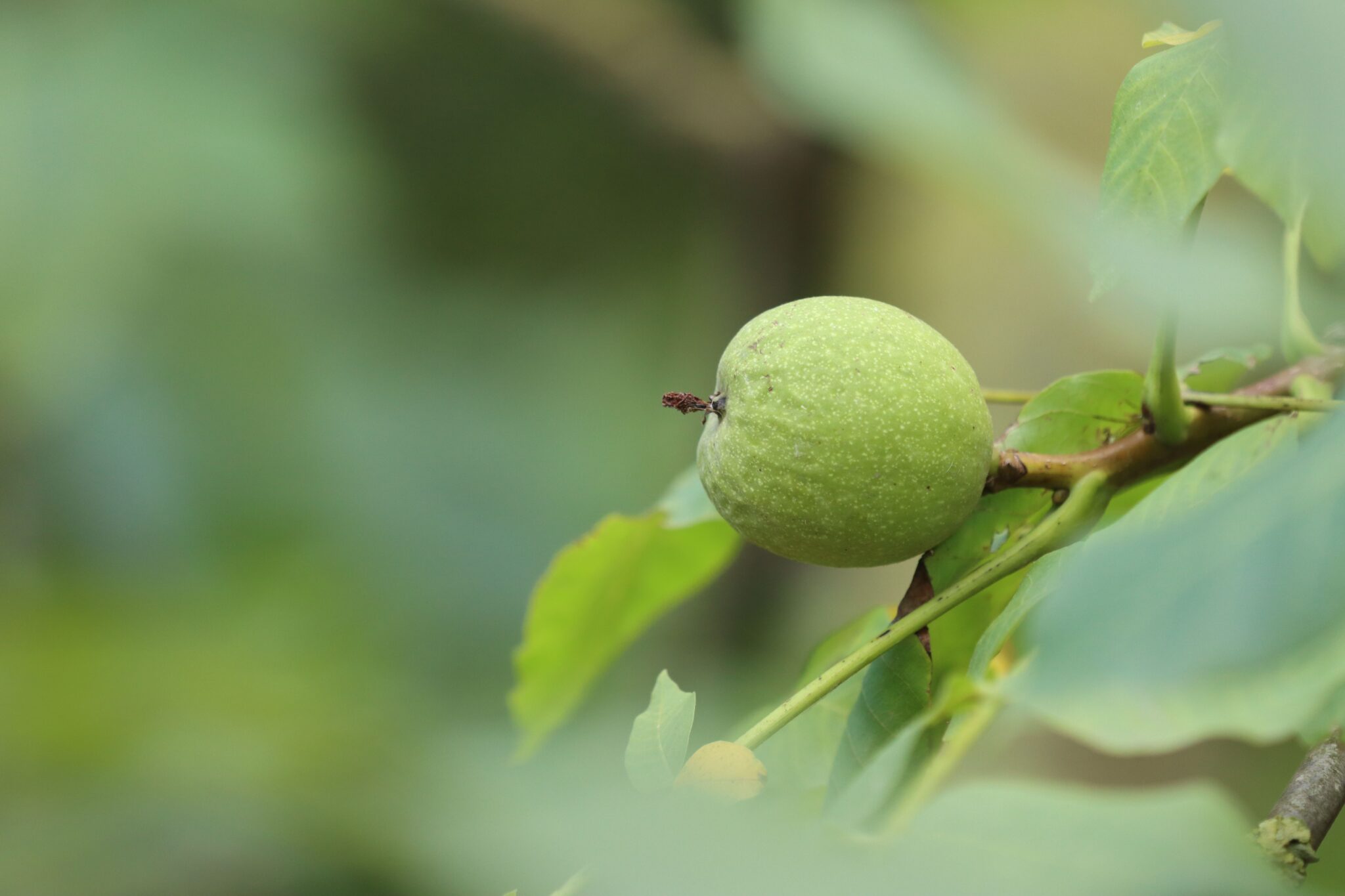
2. Walnut Tree
Walnut trees produce calorie-dense nuts containing protein, fats, and other nutrients that can supplement your food supply. Properly dried and stored nuts can last for months, giving you something to eat after the harvest season ends.
People prize the wood for furniture, cabinetry, and woodworking, though cutting down a mature tree means losing its future nut harvest. Walnut trees also need plenty of space, so check the mature size before planting one near a house or garden.
3. Pine Tree
Depending on the species, pine trees can provide timber, firewood, resin, and other useful materials. Some varieties produce edible pine nuts, while certain pine needles have traditionally been used to make tea.
Don’t assume every pine produces large edible seeds, and never eat unidentified conifer parts. Pine needle tea also isn’t suitable from every species, so confirm the tree’s identity before using any part for food or drink.
Related: 10 Small Trees With Big Curb Appeal
4. Oak Tree
Oak trees can provide acorns, durable timber, and firewood, making them useful additions to larger properties. Acorns contain starch and fats, but you must remove bitter tannins before grinding them into flour or using them in cooking.
People have long used oak wood for furniture, fencing, and construction. Because many oak species take years to produce large acorn crops, planting one is a long-term investment rather than a quick source of food.
5. Pawpaw Tree
Pawpaw trees produce soft, sweet fruit with a flavor often compared to banana and mango. You can eat ripe fruit fresh or use it in desserts, smoothies, and other recipes.
Pawpaws grow naturally in parts of eastern North America and often do well in moist soil with some shade when young. Many varieties benefit from cross-pollination, so planting two genetically different trees can improve fruit production.
Related: 22 Trees You Should Never Grow In Your Yard
6. Maple Tree
Maple trees can provide shade, hardwood, and sap for making maple syrup. Sugar maples are especially well known for syrup production, although other maple species can also produce sap suitable for boiling.
Making syrup requires collecting a large amount of sap and boiling it down, so the process takes time, fuel, and the right seasonal conditions. Maple wood is also useful for furniture, woodworking, and firewood.
7. Mulberry Tree
Mulberry trees can produce generous crops of berries that are good fresh, dried, or made into jams and preserves. You can also freeze the fruit for later use, saving part of the harvest for another season.
Some mulberry species grow quickly and tolerate a range of conditions, but their size and fruit drop can make placement important. Their berries attract birds and other wildlife, and white mulberry leaves feed silkworms.
Related: 21 Problematic Trees You Should Never Grow in Your Yard
8. Hazelnut Tree
Hazelnuts are rich in fats, protein, and calories, making them a useful addition to a home food supply. You can eat the nuts fresh, roast them, or store them after proper drying.
Hazelnut shrubs or small trees can also serve as hedges and windbreaks when planted in suitable locations. Many varieties produce better crops when paired with a compatible pollinating variety, so check their pollination needs before buying.
9. Black Locust Tree
Black locust is known for its durable, rot-resistant wood, traditionally used for fence posts and outdoor structures. Once seasoned, the wood also makes good firewood.
The fragrant flowers attract bees, and the tree can grow well in some poor soils. Black locust spreads aggressively by seed and root suckers in many regions, so check local guidance before planting, especially near natural areas.
10. Cherry Tree
Cherry trees provide fruit for fresh eating, baking, preserves, and freezing. Sweet cherries are often eaten fresh, while sour varieties are popular for pies, sauces, and jams.
Cherry wood is valued for furniture and other woodworking projects, and untreated, properly seasoned wood can be used for smoking food. Growing conditions vary by variety, and some cherry trees need a compatible pollinator to produce a good crop.
11. Elderberry Tree
Elderberry plants produce clusters of dark berries that can be cooked into syrups, jams, and other foods. Some traditional recipes also use their flowers, and the plants attract birds and pollinators.
Raw elderberries and other parts of some elder species can cause illness, so identify the berries correctly and cook them before consumption. Choose a variety suited to your area and leave enough room for the plant to spread.
12. Citrus Tree: Orange, Lemon, and Other Varieties
Citrus trees provide fruit for fresh eating, juice, cooking, and preserving, while lemons and limes add flavor to many dishes. Oranges and other citrus fruits also provide vitamin C, making them a useful part of a varied diet.
Dwarf citrus varieties can grow in large containers, which helps people with limited yard space or cold winters. Most citrus trees need plenty of sunlight, well-drained soil, and frost protection.
13. Persimmon Tree
Persimmon trees produce sweet fruit that can be eaten fresh or dried for later use. Depending on the variety, the fruit may be ready in autumn, and some types become much sweeter after softening fully.
Persimmons can provide a useful seasonal crop, while the dense wood of certain species is used for specialized woodworking. Choose an American or Asian persimmon variety based on your climate, available space, and pollination needs.
14. Chestnut Tree
Chestnuts provide a starchy food that you can roast, boil, dry, or grind into flour. Unlike many other tree nuts, they contain relatively little fat and are rich in carbohydrates.
Chestnut trees can produce large harvests in suitable conditions, though they often need several years to start bearing well. Select disease-resistant varieties suited to your region, and make sure you can provide enough space for the mature tree.
15. Willow Tree
Willows grow quickly in moist conditions and provide flexible branches for basketry, simple garden structures, and other crafts. Their roots can also help stabilize soil along suitable banks, though some species have aggressive roots that can damage nearby pipes or foundations.
Willow bark contains salicin-related compounds that have a long history of traditional use for pain relief, but it isn’t a risk-free substitute for medicine. People with certain medical conditions or medication sensitivities should avoid using willow bark medicinally without professional guidance.
Planting useful trees is a long-term project, but the rewards can extend well beyond a single harvest. With the right species for your location, a few well-placed trees can supply fruit, nuts, wood, shade, and other materials for years to come.