Electrical fires rarely begin with a dramatic burst of sparks. More often, they start quietly behind a wall, inside an overloaded outlet, or in an appliance that’s been struggling for years. By the time you notice smoke or smell something burning, the problem may already be serious.
Many electrical fires can be prevented by spotting common hazards before they become dangerous. Paying attention to a few warning signs and breaking a handful of everyday habits can go a long way toward protecting your home. Here are 15 electrical hazards every homeowner should know about.
Overloaded Outlets
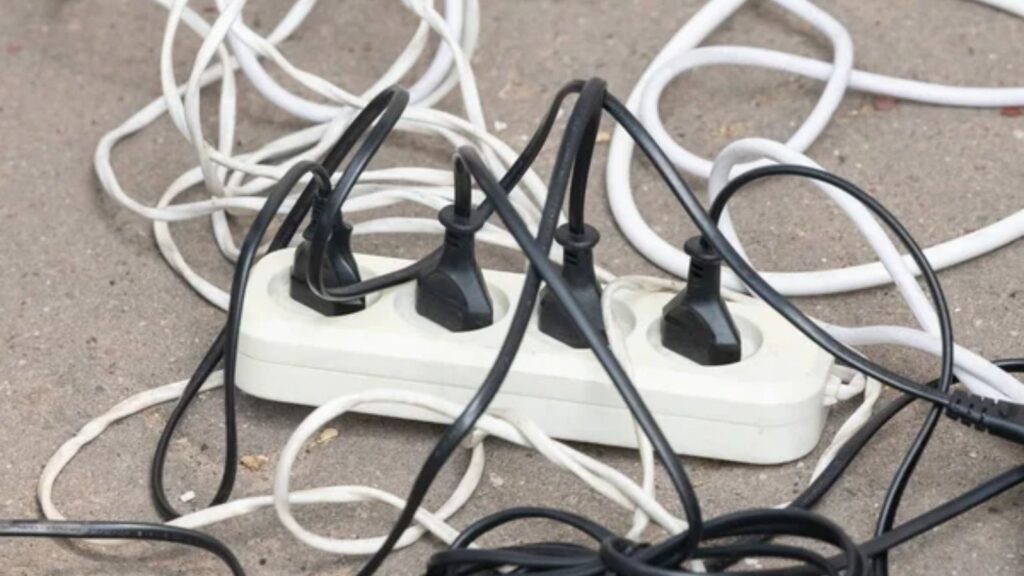
Plugging too many devices into one outlet can overload the circuit and cause it to overheat. High-wattage appliances such as space heaters, microwaves, and air fryers are especially demanding.
Try to plug large appliances directly into their own wall outlet. If you need a power strip, choose one with built-in surge protection and avoid plugging one power strip into another.
Aging or Outdated Wiring
Older homes often have electrical systems that weren’t built to handle today’s demand. Modern appliances, computers, televisions, and charging stations place much more strain on wiring than homes from decades ago were built for.
Watch for warning signs like flickering lights, outlets that feel warm, breakers that trip often, or a faint burning smell. If your home’s wiring hasn’t been inspected in many years, it’s worth having an electrician take a look.
Frayed or Damaged Electrical Cords
A cracked cord or exposed wire might seem like a minor issue, but it can easily create sparks or overheat.
Replace damaged cords as soon as you notice them. Avoid running cords under rugs or heavy furniture where wear and tear can happen without you seeing it.
Related: 15 Hidden Electrical Hazards That Could Increase Your Risk of a House Fire
Clogged Dryer Vents
Dryers produce a surprising amount of lint, and that lint is highly flammable. When the vent becomes clogged, heat can’t escape properly, increasing the chance of a fire.
Clean the lint filter after every load and have the vent system cleaned regularly, especially if drying clothes starts taking longer than usual.
Older Appliances
Appliances don’t last forever. Internal wiring can wear out over time, even if the appliance still appears to work normally.
If something regularly trips a breaker, feels unusually hot, or starts making unusual sounds, it may be time for a repair or replacement.
Using Bulbs That Are Too Powerful
Every light fixture has a maximum recommended bulb wattage. Installing a bulb that exceeds that limit can create excessive heat, especially in enclosed fixtures.
Check the label inside the fixture before replacing bulbs. LED bulbs are a popular choice because they produce far less heat than traditional incandescent bulbs.
DIY Electrical Repairs
Many home projects are perfect for DIY, but electrical work isn’t always one of them. Loose connections or improperly installed wiring can create hidden fire hazards that stay unnoticed for years.
Replacing a light switch may be manageable for experienced homeowners, but larger electrical jobs should be handled by a licensed electrician.
Related: 15 Home Improvement Projects You Should Never DIY: Leave it to the Professional
Misusing Extension Cords
Extension cords are helpful for temporary needs, but they aren’t meant to replace permanent wiring.
If you’re relying on extension cords every day, your home probably needs additional outlets. Avoid plugging large appliances into extension cords whenever possible.
Missing GFCI Outlets Near Water
Water and electricity are a dangerous combination. Kitchens, bathrooms, garages, laundry rooms, and outdoor spaces should have Ground Fault Circuit Interrupter (GFCI) outlets.
These outlets shut off electricity almost instantly if they detect a fault, helping reduce the risk of electrical shock.
Smoke Alarms That Don’t Work
Electrical fires often begin inside walls or ceilings where they’re impossible to see. A working smoke alarm gives you valuable time to react.
Test smoke alarms every month, replace
Related: 14 Monthly Home Maintenance Tasks Every Homeowner Should Do
Flammable Items Too Close to Outlets
Stacks of paper, curtains, bedding, furniture, and other combustible materials placed against outlets can become dangerous if an outlet overheats or sparks.
Leave a little space around outlets and avoid piling flammable items directly in front of them.
Broken Outlet Covers
A cracked faceplate or missing outlet cover leaves electrical components exposed. Besides looking worn, damaged outlets can become a safety issue, especially in homes with children or pets.
Replace broken covers promptly and install childproof outlet covers where needed.
Hidden Arc Faults
Arc faults happen when damaged or loose wiring creates tiny electrical sparks. These sparks can ignite wood framing or insulation inside walls long before anyone notices.
Many newer homes include Arc Fault Circuit Interrupters (AFCIs), which detect these sparks and automatically shut off the circuit. Older homes may benefit from upgrading.
Overloaded Power Strips
Power strips make it easy to plug in several devices, but they still have limits. Running multiple high-powered appliances through a single strip can overload both the strip and the circuit.
Space heaters, refrigerators, microwaves, and similar appliances should be plugged directly into a wall outlet instead.
Ignoring Warning Signs
Electrical problems often give you clues before they become dangerous. Buzzing outlets, scorch marks, warm switch plates, breakers that trip repeatedly, or a burning smell should never be ignored.
If something doesn’t seem right, stop using the outlet or appliance until the problem has been inspected. Acting early can prevent a much larger repair, or even a house fire.