

As we get closer to winter, preparing your home for the colder months ahead through winterization is a necessary and practical approach for homeowners. Winterizing your home is an excellent way to safeguard it against the harsh effects of cold weather and to cut down on high energy expenses.
It’s an annual routine that shouldn’t be underestimated. The winter weather, including snow, rain, ice, and wind, can test your home’s resilience. Therefore, winterizing is a proactive step to confront the challenging cold weather through various tactics and preventative measures to protect one of our greatest assets – our home.
Winterization measures are easy to execute and, most importantly, budget-friendly, especially when compared to the potential damages and costly repairs that could result if these steps aren’t taken.
So, if you are heading south for the winter or live in a cold-weather area, here are some ways to winterize your home.
Why Winterize Your Home?
Winterizing your home is one of the best ways to protect your home from extreme cold weather. It is also a great way to help reduce energy bills and keep your home warm and cozy during winter.
Winterizing your home typically starts in the early fall and needs to be done before the first deep freeze of the season.
The Best Ways to Winterize Your Home
Inspect Your Fireplace and Chimney
Nothing screams winter more than a cozy brick fireplace. However, before lighting the first fire of the season, you must conduct an annual inspection of your fireplace. An inspection will ensure the fireplace is free from residue, soot, or debris. This can be done by vacuuming or sweeping out any ash in the firebox from the previous season.

In addition, you should enlist a chimney sweeper’s services to perform a thorough cleaning before using it in winter. Neglecting this kind of maintenance can pose a fire and safety risk, so it’s necessary to inspect your fireplace thoroughly.
Don’t Plan To Use The Fireplace for Winter?
Consider a chimney balloon if you don’t intend to use the fireplace. This device is a balloon that inflates into place in the fireplace just above the damper. This balloon helps prevent cold drafts from entering your home by sealing off the gap.
Even if the rest of your home is well-sealed, a chimney creates a substantial opening in the room, allowing cold drafts to infiltrate your heated living areas. Therefore, a chimney balloon is the most straightforward solution to block the cold air from coming in. This balloon is a barrier to prevent heat loss by creating an airtight seal.
Upgrade to a Smart Thermostat
Smart thermostats are all the rage right now. Swapping your old thermostat for a smart programmable one is a practical upgrade. It lets you customize and control your heating and cooling schedule to regulate the temperatures in your home more efficiently.
With such customization, it can help you avoid any unnecessary or excessive use. A smart thermostat is one of the best ways to winterize your home and reduce the overload on your energy usage and bills.
Annual Gutter Check
As part of your winter preparations, keeping your gutters clean is crucial. Gutter systems help to protect your home’s exterior by redirecting water and snow away from your roof. The gutter prevents water from accidentally seeping in and causing harm to your home.
When gutters become clogged with leaves and debris, it disrupts system functioning. To prevent clogs and blockages, regularly check and clean your gutters to remove leaves and debris.
Gutter cleaning should be done at least once a year. A good rule of thumb is to arrange for gutter cleaning after the last leaves have fallen during the fall season.
Prepare The Roof
Like the gutter, your roof protects your home’s exterior. You must inspect your roof for signs of wear and tear, such as broken or missing shingles, damaged flashing, or general deterioration. Clear away leaves, pine needles, dirt, and other debris from the roof.
Check on Your Pipes
Insulating all pipes inside and outside your home that are vulnerable to freezing is a good way to prevent frozen pipes. This will require the removal of all garden hoses connected to your home and turning off the water supply to outdoor spigots. After removing the garden hoses, you must drain them and then store them away. This will help prevent any freezing and expansion of the pipes.
For interior house pipes, maintain a steady, slow flow of water in a few faucets to safeguard against freezing and potential bursts. This is especially necessary when the temperature drops below 32 degrees Fahrenheit. You can further protect the pipes beneath kitchen and bathroom sinks by leaving the cabinet doors open to circulate warm air near and around the pipes. It will further help to minimize any freezing.
Seal Holes, Cracks, and Gaps
The act of weatherstripping is essential in the winterizing process. Weatherstripping is the process of sealing any open holes, cracks, or gaps that might be in your home. These gaps and openings are often present around windows and doors. Weatherstripping helps to prevent cold air from infiltrating and heat from escaping.

To winterize your home effectively, apply caulking to weatherstrip any openings and cracks, and install draft guards and door sweeps at the base of your doors to block cold drafts.
Weatherstripping helps to reduce energy costs in your home further.
Insulate The Attic
The attic also plays an integral part in winterizing your home. Often, in most homes, there’s either a lack of insulation or insufficient insulation in the attic. Inadequate insulation can impact the circulation of air throughout your home. Therefore, sound insulation in the attic prevents warm air from the rooms below from escaping into the attic.
Be sure to inspect the attic vents, check for leaks, and evaluate the insulation.
Cover Outdoor Furniture and Equipment
Cold temperatures and extreme weather can be rough on outdoor furniture and barbecue grills. And since you will unlikely be using your backyard for entertainment during the winter months, it is best to protect your stuff.

The best way to protect your patio furniture and outdoor grill from the cold is to either cover them with weatherproof covers or bring them inside by storing them in a garage, basement, or shed.
Clean up The Yard
While you may only spend a little time outside unless you enjoy the fire pit, keeping your yard clean is still essential.
Cleaning your yard may require trimming your trees, eliminating dead and overhanging branches, and removing all yard debris. Extreme weather, including snow and wind, can weaken trees and cause branch breakage. If the branches break, they could fall, posing a real risk to your property, vehicles, or personal safety.
In addition, take the time to bring indoor plants inside before the onset of the first cold spell. As a rule of thumb, aim to relocate them indoors before temperatures drop below 45 degrees.
HVAC System Maintenance
Replacing an HVAC system is expensive. Proper maintenance is much more cost-effective. Therefore, before you head into the winter season, ensure your heating system is operating efficiently by thoroughly inspecting or replacing the furnace filter. HVAC filters should be replaced every three months.
A clean heating and cooling system enhances performance, while a clogged filter filled with lint and dust obstructs airflow, causing your system to work overtime to heat your home.
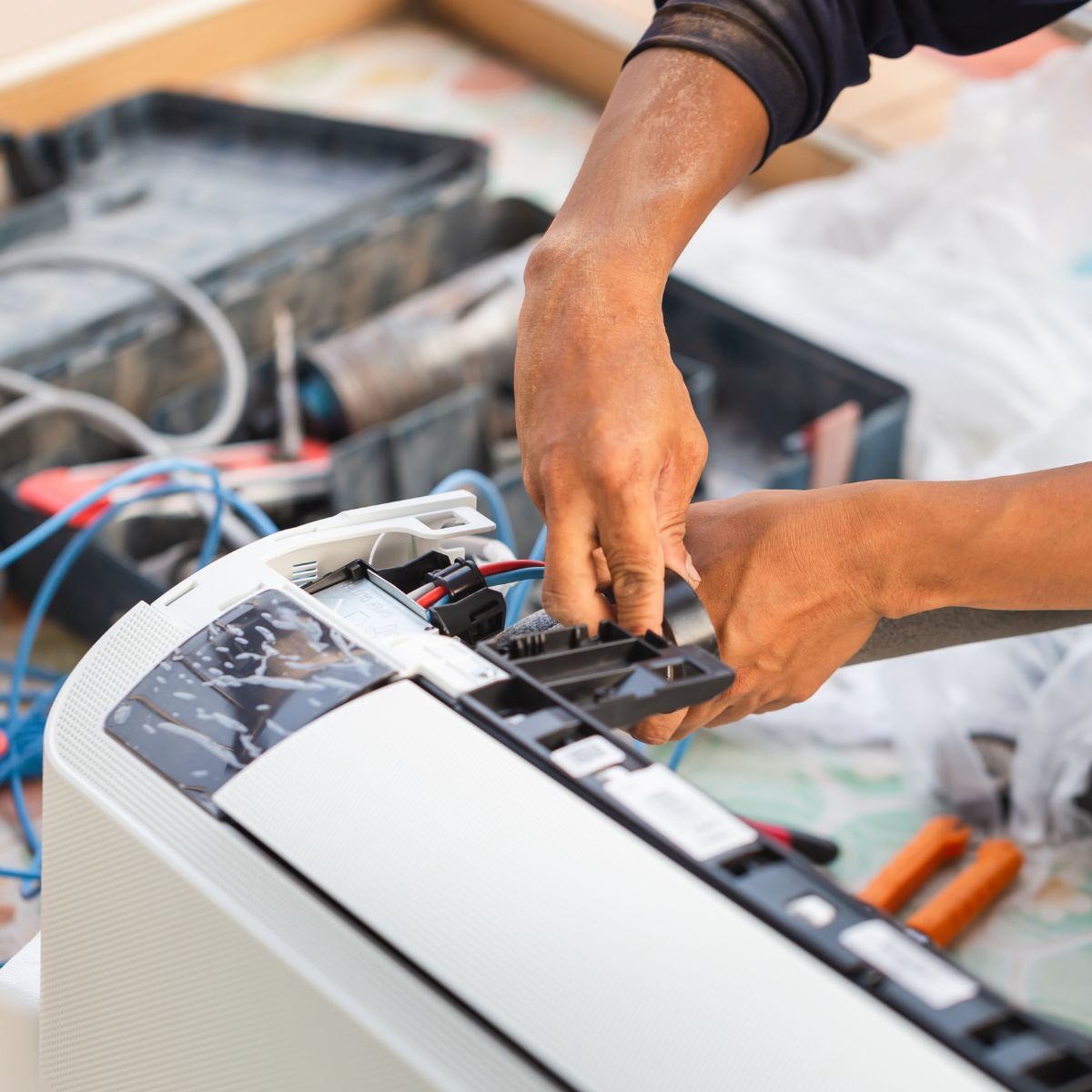
If you need to hire a technician to inspect your HVAC or suspect there may be an issue, you must schedule a service appointment beforehand. During the peak winter months, there is often a lack of availability and longer wait times with these service technicians.
Smoke and Carbon Monoxide Detector Test
Residential fires and carbon monoxide leaks tend to be more prevalent during the winter months, making it essential to ensure the functionality of all your smoke and carbon monoxide detectors. Be sure to perform monthly checks and replace
Winter Ready Window Treatments
Appreciating the importance of a good window treatment to protect against cold weather is important. Even the most well-sealed windows can feel chilly during the winter months.
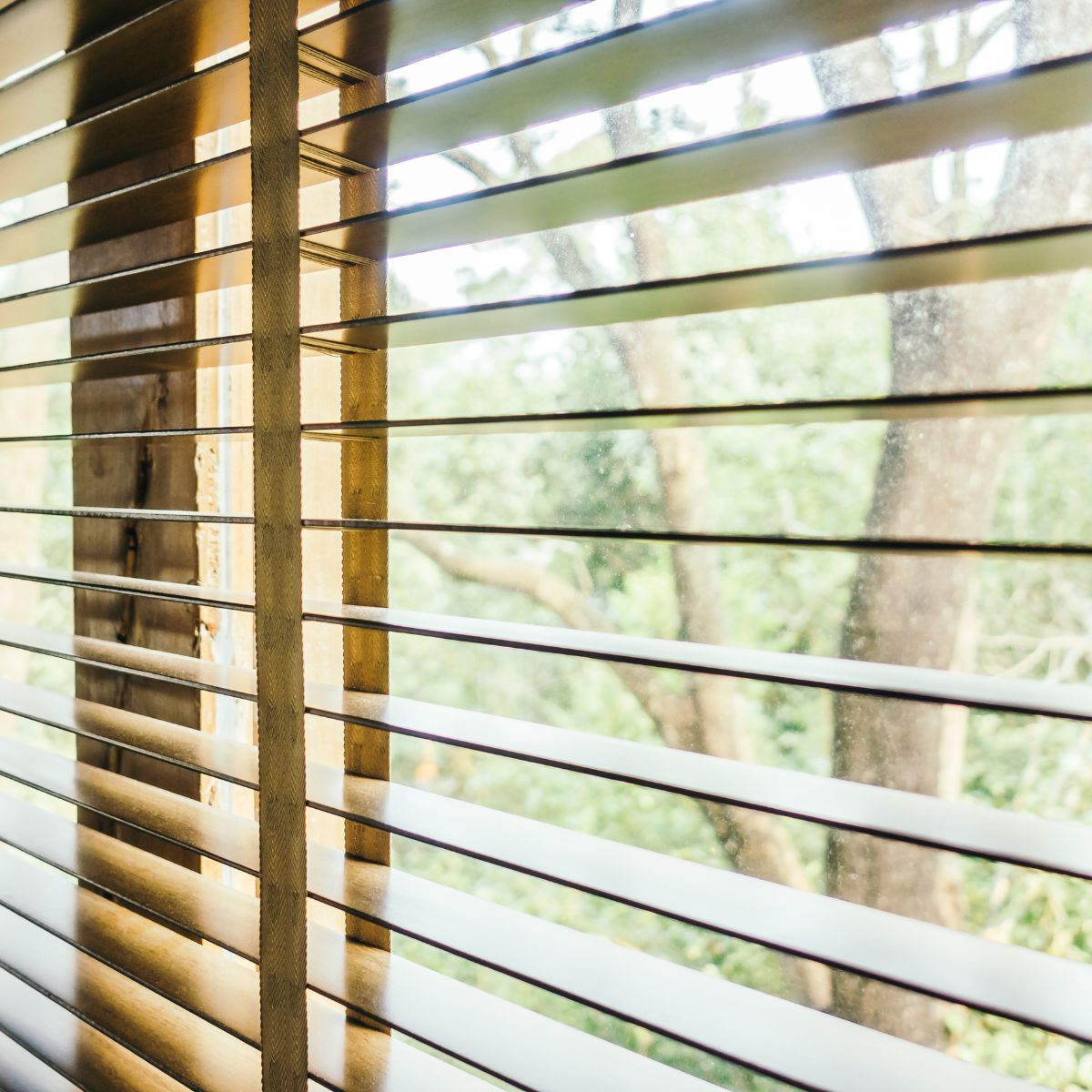
To help winterize your home, replace lightweight summer curtains with thermal-lined curtains, insulated blinds, or drapes for added insulation. These window treatments can help reduce the cold draft from coming into your home.