Remember when toilet paper, bottled water, and other household essentials suddenly became difficult to find during the early days of COVID-19? Some shoppers say they’re starting to experience something similar again, this time while looking for emergency preparedness supplies.
A recent discussion on Reddit has caught the attention of people who regularly stock up on food, water, and other emergency essentials. Several commenters described longer shipping times, unavailable products, and concerns about what might be driving the sudden interest in preparedness.
But is there actually a shortage of emergency supplies, or are people simply becoming more cautious about what they keep at home?
Some Shoppers Say Emergency Supplies Are Becoming Harder to Find
The conversation started in the Reddit community, where one member described having difficulty purchasing several emergency preparedness products online.
The shopper said items they had recently added to their Amazon cart suddenly became unavailable or showed much longer delivery times. The products mentioned included rain barrels, emergency blankets, solar-powered lights, and hand-crank weather radios.
The experience reminded them of 2020, when demand for household essentials surged, and shoppers struggled to find products that had previously been readily available.
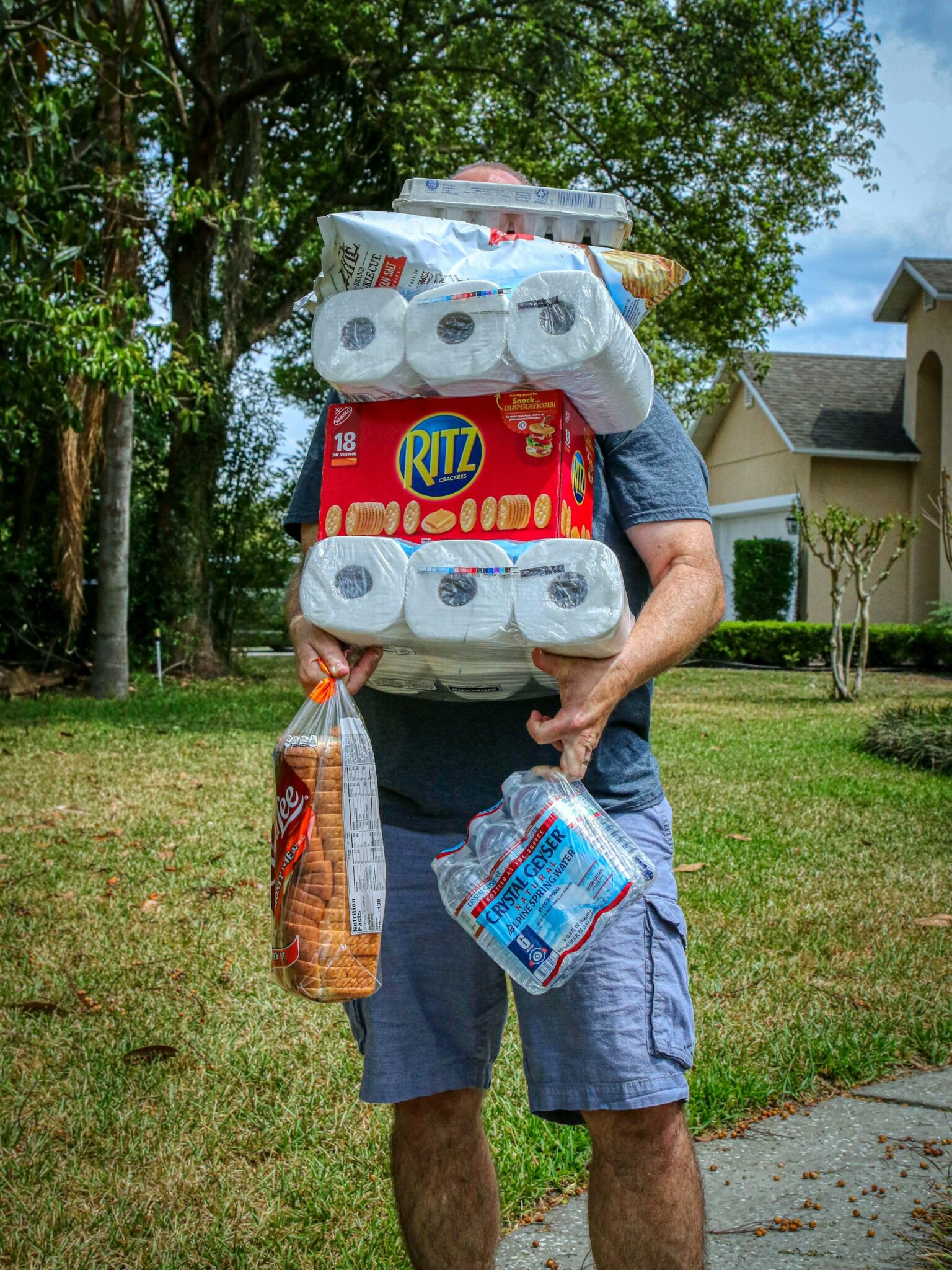
Other commenters shared similar experiences, including reports of bottled water and paper products selling quickly at certain stores. However, several people said their local stores were fully stocked and that they had no trouble ordering emergency equipment.
These conflicting experiences suggest availability may vary considerably by product, retailer, and location.
Why Are People Stocking Up Again?
One of the biggest themes throughout the discussion was uncertainty. Commenters pointed to concerns about severe weather, possible supply chain disruptions, rising transportation costs, and reports about government emergency preparedness efforts.
Some also mentioned political tensions and international conflicts as reasons they were paying closer attention to their household supplies.
But the conversation repeatedly raised another explanation: people may be responding to the same concerns at the same time.
When shoppers see others stocking up or hear warnings about potential disruptions, they may decide to purchase extra supplies themselves. That increased demand can temporarily affect inventory, even without a widespread shortage.
It’s also worth remembering that an item being unavailable on one website doesn’t necessarily mean it’s difficult to find everywhere.
Some People Are Questioning Whether Fear Is Driving the Purchases
Not everyone in the discussion believed the reports pointed to a larger problem.
Several commenters suggested that social media, advertising, and the growing popularity of emergency preparedness products could be contributing to the rush. Others pointed out that retailers sometimes experience inventory changes and shipping delays for reasons unrelated to an approaching emergency.
One commenter also noted that preparedness has become a growing consumer market, with companies selling everything from expensive survival food packages to specialized emergency equipment.
That raises an important question for shoppers: Are you buying something because your household genuinely needs it, or because you’re worried it might disappear from store shelves?
Being prepared is sensible, but spending hundreds of dollars on supplies you may never use isn’t always necessary.
Experienced Preppers Say the Basics Still Matter Most
While much of the conversation focused on what might happen, some of the most practical advice came from people who have prepared for emergencies for years.
Several explained that keeping extra food, water, and household essentials has always been part of their routine, particularly in areas where hurricanes, winter storms, and extended power outages are common.
Rather than waiting until a storm is approaching or shelves begin looking empty, they gradually build their supplies during regular shopping trips.
For most households, that means starting with everyday essentials such as drinking water, shelf-stable food, flashlights, batteries, necessary medications, and a basic first-aid kit.
The Federal Emergency Management Agency’s Ready.gov emergency kit guidance recommends keeping at least one gallon of water per person per day for several days, along with nonperishable food and other basic supplies.
These are items that can help during a power outage, severe storm, or temporary disruption to local services, regardless of what’s happening in the news.
So, Is There Really a Reason to Worry?
The Reddit discussion shows that some shoppers worry emergency supplies will become harder to find, but the experiences shared don’t show a nationwide shortage.
Some people reported unavailable products and delayed deliveries, while others found the same types of supplies readily available.
There are plenty of reasons to maintain a basic emergency kit, from severe weather to unexpected power outages. You don’t need to predict a major disaster to justify keeping a little extra food, water, and other essentials at home.
If anything, the conversation reminds us that emergency preparedness works best when you build it gradually, rather than waiting until everyone else is shopping for the same supplies.