Fruit flies have a way of showing up out of nowhere and making themselves right at home in your kitchen. One day, you notice a couple hovering around the fruit bowl, and before you know it, they’re hanging out by the sink, trash can, and just about everywhere else.
Most of us have heard about the apple cider vinegar trick, but what happens when that doesn’t work?
In a recent Reddit discussion, a frustrated homeowner asked for help after trying several fruit fly traps without much success. Here are the 12 unusual ways people said they’ve dealt with fruit flies in their homes, along with a few tips for keeping them from coming back.
1. Suck Them Up With a Vacuum Cleaner
One Reddit user suggested using a handheld vacuum to suck fruit flies right out of the air. They explained that doing this daily for a few days, along with keeping the kitchen extra clean, helped get the problem under control.
Another commenter said they simply use the hose attachment on their regular vacuum cleaner. It’s an easy way to get rid of the flies you can see without chasing them around with a fly swatter. Empty the vacuum outside afterward so any surviving flies don’t escape back into your home.
2. Use Leftover Wine as a Fruit Fly Trap
Fruit flies are attracted to the smell of fermenting fruit, which makes leftover wine a useful alternative to apple cider vinegar. Pour a small amount of white or red wine into a glass and add two or three drops of liquid dish soap.
The wine attracts the flies, while the dish soap breaks the liquid’s surface tension, causing them to sink when they land. It’s also a practical way to use up that last bit of wine sitting in a bottle.
3. Add a Piece of Banana to Your Homemade Trap
If apple cider vinegar isn’t doing the trick, try adding a small piece of ripe banana to your homemade trap. As bananas ripen, they release odors that attract fruit flies, making them useful bait.
Place the banana in a jar with a paper funnel or a cover with small entry holes to help trap the flies. Replace the bait regularly so it doesn’t become another breeding spot.
4. Make a Paper Funnel Trap
You don’t need a store-bought trap to catch fruit flies. A glass jar, a piece of paper, and a little fruit fly bait are enough to make one at home.
Roll the paper into a funnel and place it inside the jar with the narrow opening pointing down toward the bait. The flies can enter through the opening, but many will have trouble finding their way back out.
5. Scrub Under the Garbage Disposal Flap
The rubber flap around your garbage disposal can collect food particles, grease, and other grime that regular sink cleaning often misses. That buildup can attract small flies and give them a place to feed.
Lift the rubber flap and carefully scrub underneath it with a cleaning brush, following your disposal’s safety instructions. Make sure the disposal is completely off before cleaning, and check the surrounding drain opening as well.
6. Look for a Forgotten Potato or Onion
Sometimes, the source of your fruit fly problem is hiding somewhere you haven’t checked in weeks. A forgotten potato, onion, or piece of fruit can start rotting in a pantry or cabinet without you noticing.
Check produce baskets, storage containers, and the back corners of your pantry for anything that’s gone bad. Removing even one overlooked vegetable could make a noticeable difference if that’s where the flies have been breeding.
7. Try an Indoor Plug-In Light Trap
Plug-in light traps are another option for catching small flying insects without chasing them around the kitchen. Many use a light to attract insects, then trap them on a replaceable sticky pad.
Place one near the area where flies tend to gather, following the manufacturer’s instructions. These traps can help reduce the number of adult flies, but you’ll still need to eliminate whatever is attracting them.
8. Clean the Kitchen Drain More Thoroughly
If tiny flies are constantly hovering around your sink, take a closer look at the drain. Food residue and organic buildup can collect inside pipes, creating conditions that attract certain types of small flies.
Scrub accessible drain surfaces and consider an enzyme-based drain cleaner that breaks down organic buildup. This is especially useful if you’re dealing with drain flies, which are often mistaken for fruit flies.
Avoid mixing cleaning chemicals or pouring boiling water into your plumbing without checking that it’s safe for your pipes.
9. Keep Your Kitchen Compost Container Covered
An open compost container filled with fruit peels and vegetable scraps can quickly attract fruit flies. The longer those scraps sit indoors, the more appealing they become.
Use a compost container with a tightly fitting lid and empty it frequently, especially during warmer weather. Washing the container regularly will also help remove leftover residue and odors.
10. Put Your Ripe Fruit in the Refrigerator
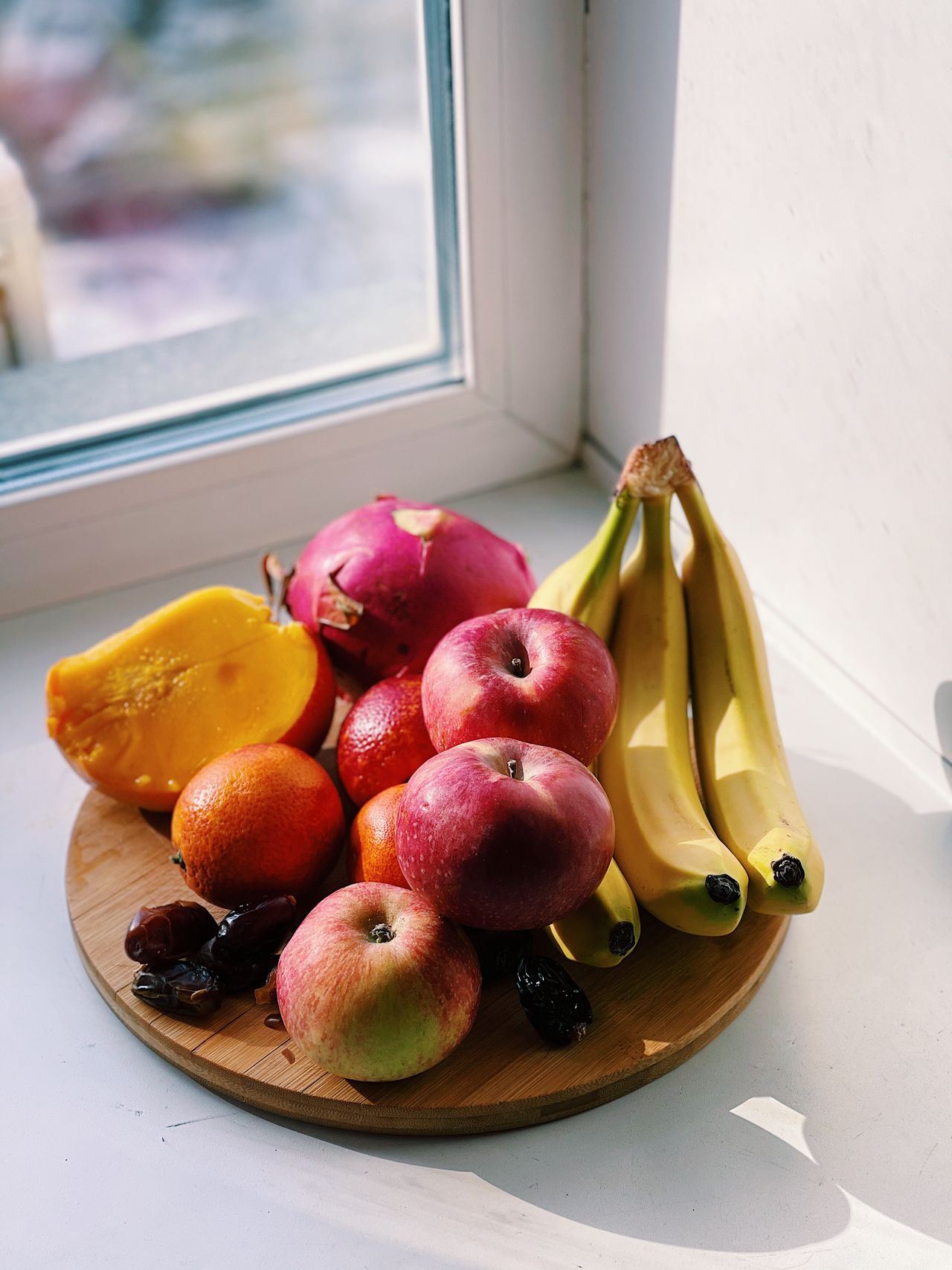
A bowl of ripe fruit might look nice on the counter, but it can also attract fruit flies looking for food and places to lay their eggs. Moving ripe produce into the refrigerator when appropriate can help eliminate one of their main attractions.
Pay particular attention to overripe peaches, berries, and other soft fruits. Keep fruit scraps and peels in a covered container rather than leaving them exposed in the kitchen.
11. Try Sticky Fly Traps
Sticky fly traps can help catch fruit flies that keep gathering around the same areas of your kitchen. Once the insects land on the adhesive surface, they become trapped.
Position the traps near problem areas, keeping them away from food preparation surfaces and out of reach of children and pets. Replace them as needed, and remember that catching adult flies won’t solve the problem if they’re still breeding somewhere nearby.
12. Check Damp Sponges, Dishcloths, and Trash Bins
If you’ve tried several traps and the flies keep returning, it’s time to look beyond the fruit bowl. Damp sponges, dirty dishcloths, recycling bins, and trash cans can collect food residue and moisture that attract small flies.
Wash or replace dirty sponges, clean out trash and recycling bins, and check underneath the kitchen sink for spills or forgotten food. Removing these potential food sources and breeding spots is often more effective than relying on traps alone.