The cabinet under your kitchen sink often becomes the catch-all storage spot for anything that doesn’t seem to have a home. While it may seem like a convenient place to stash extra supplies, it’s also one of the dampest areas in the kitchen. Leaky pipes, humidity, and cleaning products can all create problems for items stored there.
A little reorganization can protect your belongings, free up space, and help prevent accidents. Here are 12 things that are better stored somewhere other than under the kitchen sink.
Pet Supplies
It might seem convenient to keep pet food, treats, medications, or toys under the sink, but it’s far from the best place. Moisture and temperature changes can cause food to lose freshness or spoil faster. Store pet supplies in a dry pantry, cabinet, or sealed storage container instead.
Related: 15 Things Experienced Gardeners Avoid Planting in Raised Beds
Flammable Materials
Items like lighter fluid, fuel canisters, aerosol sprays, and other flammable products should never be stored under the sink. A plumbing leak or nearby heat source could create a dangerous situation. Keep these products in a cool, well-ventilated storage area away from the kitchen.
Small Appliances
Blenders, toasters, mixers, and coffee makers can be damaged by the moisture that’s often found under the sink. Damp conditions may cause electrical parts to corrode over time. A dry cabinet or pantry shelf is a much better place to store appliances you don’t use every day.
Related: 10 Things Every Homesteader Should Always Buy at Thrift Stores
Harsh Cleaning Chemicals
Strong cleaners like bleach, drain cleaner, and ammonia deserve extra care. If you keep them under the sink, they should be stored in a secure container away from other household items and well out of reach of children and pets. Better yet, keep them in a locked cabinet if possible.
Related: 16 Things You Should Never Store in Your Garden Shed
Paint
Paint doesn’t hold up well in humid conditions. Moisture and changing temperatures can cause it to separate, thicken, or lose quality. Store leftover paint in a cool, dry location like a basement, utility room, or garage where temperatures stay more consistent.
Pantry Staples
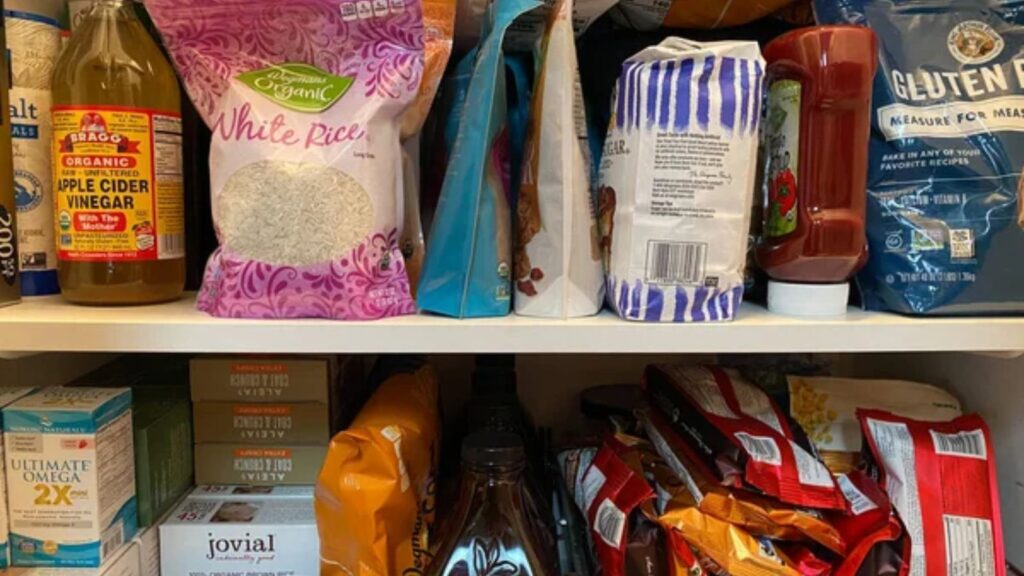
Dry goods such as cereal, pasta, rice, flour, crackers, and canned food don’t belong under the sink. Even a small plumbing leak can ruin food, and the area may attract insects if crumbs or spills occur. Pantry shelves are a much safer choice.
Food Items
Whether it’s snacks, baking supplies, or pet food, anything meant to be eaten should stay far away from plumbing and cleaning products. Water leaks, chemical spills, and pests can quickly contaminate food. Keep edible items in a pantry or kitchen cabinet instead.
Related: 12 Things Cluttering Your Home That You Can Let Go
Insecticides and Pesticides
Bug sprays, ant killers, and pesticides should be stored carefully to prevent accidental exposure or leaks. Keep these products in a secure, well-ventilated location that’s inaccessible to children and pets and away from food storage areas.
Paper Products
Extra paper towels, napkins, paper plates, and paper bags can be ruined by even a small amount of moisture. A slow drip from a pipe may go unnoticed until everything underneath is damp. Store paper products in a linen closet, pantry, or another dry cabinet.
Root Vegetables
Potatoes, onions, sweet potatoes, and other root vegetables stay fresh longest in a cool, dark place with good air circulation. The damp environment under the sink can encourage mold, sprouting, and rot. A pantry or open basket in a cool room works much better.
Cookware
Pots, pans, baking sheets, and cast iron cookware can develop rust if they’re stored in a humid cabinet. Keeping cookware in a dry cabinet helps protect finishes and extends its life.
Batteries
Batteries last longer when they’re kept in a cool, dry location. Humidity under the sink can shorten their lifespan and increase the chance of corrosion or leaks. Store them in a drawer, toolbox, or storage container away from moisture.