A backyard shed is a great place to store gardening tools, lawn equipment, and other outdoor supplies, but it isn’t the right place for everything. Most sheds aren’t insulated or climate-controlled, so the temperature inside can swing from freezing in winter to sweltering in summer. Moisture, humidity, and pests can also create problems that damage many common household items.
Before you use your shed as extra storage space, make sure you’re not putting these 16 things inside.
Food
Food should never be stored in a shed. It attracts mice, rats, insects, and other pests looking for an easy meal. Even canned goods aren’t immune to damage. Constant temperature changes can shorten their shelf life, while moisture may cause cans to rust. Once a can is damaged or swollen, the food inside may no longer be safe to eat.
Paint
Paint doesn’t hold up well in extreme heat or freezing temperatures. It can separate, become lumpy, or lose its ability to cover surfaces properly. Store leftover paint indoors in a cool, dry location where the temperature stays fairly consistent.
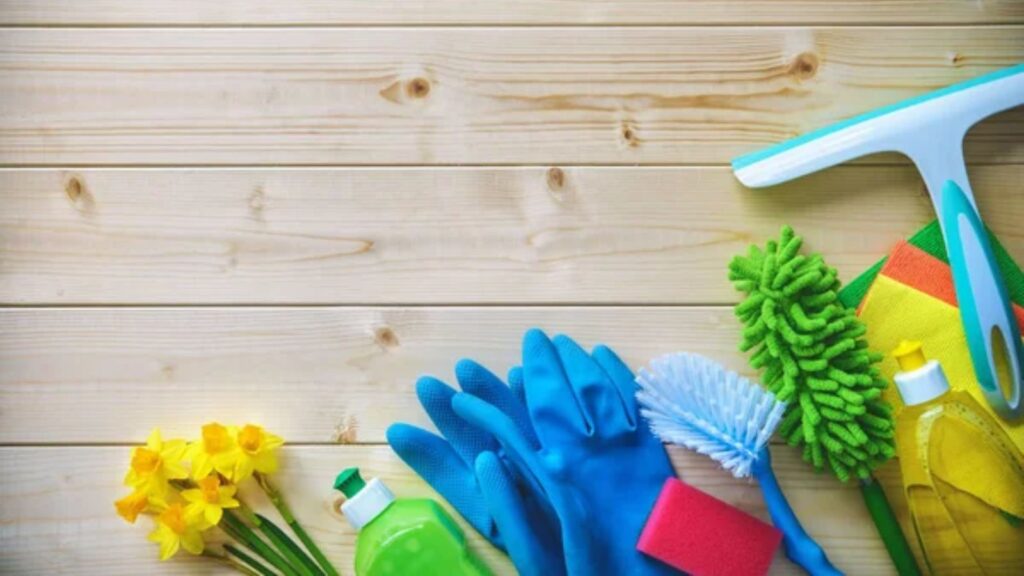
Cleaning Supplies
Many cleaning products lose their effectiveness after being exposed to excessive heat or freezing temperatures. Some chemicals may even become unstable if stored improperly. A cabinet inside your home or laundry room is a much safer place for these products.
Important Documents
Birth certificates, insurance papers, passports, tax records, family photos, and other valuable documents should stay indoors. Moisture, insects, rodents, or even a small roof leak can destroy paperwork that’s difficult or impossible to replace.
Electronics
Computers, televisions, speakers, cameras, and other electronics should never be stored in a typical shed. Heat, humidity, and sudden temperature swings can damage delicate internal components and shorten their lifespan.
Prescription Medications
Many medications must be stored within a specific temperature range to remain effective. Excessive heat or freezing temperatures can reduce their potency. Keep prescription medicine in a cool, dry place inside your home unless the label recommends something different.
Artwork
Paintings, framed prints, and other artwork can quickly suffer damage in a damp or overheated shed. Moisture can lead to mold, while changing temperatures may cause warping, cracking, or fading. Store artwork indoors where the environment is much more stable.
Books
Books absorb moisture surprisingly easily. Over time, damp conditions can cause pages to wrinkle, covers to warp, and mold to develop. If you want your books to stay in good condition, keep them inside your home.
Alcohol
Wine, beer, and many spirits can lose quality if they’re exposed to excessive heat or direct sunlight. Wine is especially sensitive and can spoil much faster in a hot shed. Store alcoholic beverages somewhere cool, dark, and dry.
Propane Tanks
A propane tank should never be stored inside a shed. If a leak develops, gas can build up in the enclosed space and create a serious fire or explosion hazard. Store propane tanks outdoors in a well-ventilated area, away from flames, sparks, and direct sunlight.
Insecticides and Pesticides
Extreme temperatures can reduce the effectiveness of pesticides and insecticides, and damaged containers may leak hazardous chemicals. Keep these products in a cool, dry location that follows the storage instructions on the label and is safely out of reach of children and pets.
Firewood
It might seem convenient to stack firewood inside your shed, but wood often attracts termites, ants, spiders, and other insects. Firewood is best stored outdoors on a raised rack, away from your home, where it can stay dry while reducing the chance of pests spreading.
Furniture
Wood furniture can warp, crack, or swell after prolonged exposure to moisture. Upholstered pieces may develop mildew, unpleasant odors, or mold. If you need long-term storage, a climate-controlled space is a much better option.
Rugs and Carpets
Rugs and carpets don’t do well in humid conditions. Moisture trapped in the fibers can lead to mold, mildew, and unpleasant odors. They can also become a nesting place for insects and rodents. Store them indoors in a dry location whenever possible.
Clothing
Clothing stored in a shed often comes out smelling musty. Damp conditions encourage mold, while insects such as moths can damage natural fabrics. Keep seasonal clothing inside your home or in a climate-controlled storage area.
Fertilizers
Many fertilizers don’t tolerate moisture or extreme temperatures very well. They may harden into solid clumps or lose some of their effectiveness over time. Always follow the storage instructions on the package and keep fertilizer in a dry place that’s protected from excessive heat and humidity.