It’s easy to assume that anything packaged for storage will last for years. Canned foods, dried ingredients, vacuum-sealed products, and other pantry staples often end up in emergency food supplies because they seem like safe bets for long-term storage.
The problem is that many foods have a shorter shelf life than their packaging might suggest. Some go rancid because of their natural oils, while others lose their flavor, texture, or nutritional value. A few can become unsafe if they’re stored in poor conditions.
That doesn’t mean these foods have no place in your pantry. They can still be useful for everyday meals and short-term emergencies. The key is knowing how long they’re likely to last and rotating them before they become a waste of money and storage space.
Here are 15 foods that may not last as long as you expect.
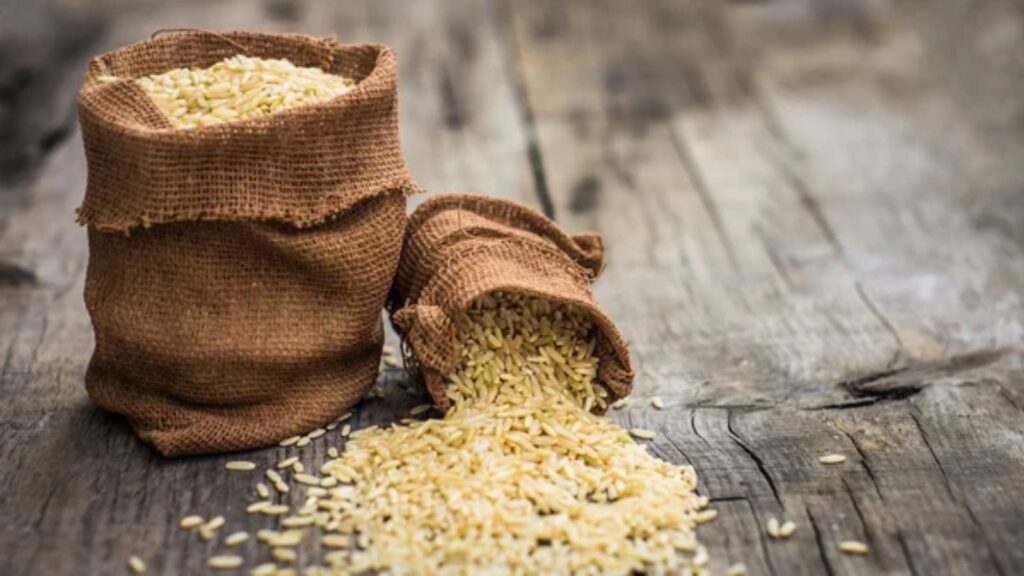
1. Brown Rice
Shelf Life: 6 months to 1 year
Brown rice has more fiber, vitamins, and minerals than white rice, but its natural oils also make it more prone to spoilage. Those oils are found in the bran layer and can become rancid as the rice sits in storage.
Warm or humid conditions can speed up the process. Spoiled brown rice may develop a sour, bitter, or stale smell, which is a good reason to check your supply before cooking it.
For longer food storage, white rice is usually a better choice. Jasmine and basmati rice can also work well for pantry storage when kept in a cool, dry location.
2. Whole Wheat Flour
Shelf Life: 4 to 6 months
Whole wheat flour contains the wheat germ, which has natural oils that can go rancid over time. This is why a bag of
As the flour ages, you may notice a stale or bitter smell and an unpleasant taste.
If you want to store wheat for years, whole wheat berries are a better option. Kept in airtight containers in a cool, dry place, whole wheat berries can last for many years. You can grind them into flour as needed.
3. Nuts and Nut Butters
Shelf Life: 6 months to 1 year unopened
Nuts are packed with healthy fats, but those same fats can cause them to spoil sooner than many other dry foods. Heat, light, moisture, and air all contribute to rancidity.
Nut butter can have an even shorter usable life after opening. If the smell or flavor has changed, it’s time to toss it.
Seeds such as sunflower, pumpkin, or chia can also be useful additions to a food supply, though they still need proper storage and rotation.
4. Granola and Breakfast Bars
Shelf Life: 6 months to 1 year
Granola and breakfast bars are convenient for emergencies because they require little or no preparation. The problem is that many contain nuts, dried fruit, oils, and other ingredients that don’t hold up indefinitely.
Over time, the bars can become stale or develop an unpleasant taste. Some may also lose much of their original texture.
They’re fine for short-term food storage, but it’s better to rotate them regularly rather than treat them like a decades-long food supply.
Related: 15 Insanely Delicious Granola Recipes
5. Powdered Milk in a Box
Shelf Life: 1 to 2 years unopened
Powdered milk can be handy for baking, cooking, and emergencies, but it needs to be stored carefully. Heat, moisture, and exposure to air can cause it to clump and develop an off smell.
An unopened package may last a year or two when stored according to the manufacturer’s recommendations. Once opened, the remaining powder is exposed to air and moisture, which can shorten its usable life.
For longer storage, some people divide
6. Canned Tomatoes
Shelf Life: About 1 to 1.5 years for best quality
Canned tomatoes are convenient, but their high acidity makes them less suited to very long storage than some other canned foods. Over time, the acidity can interact with the can lining, which may affect the taste or quality.
Check cans before using them. Discard any that are leaking, badly dented, swollen, or otherwise damaged.
If you grow tomatoes, home canning can give you another way to preserve your harvest.
Related: How to Can Tomato Sauce
7. Dried Fruit
Shelf Life: 6 months to 1 year
Dried fruit may seem like the perfect long-term snack, but it still contains some moisture. If it isn’t dried or stored properly, mold can become a problem.
The natural sugars in fruit can also cause changes in flavor and texture over time. Fruit stored in an airtight container in a cool, dry place will generally last longer than fruit exposed to heat and humidity.
For larger food stores, you can preserve fruit yourself by canning, dehydrating, or freeze-drying it. Just pay close attention to moisture levels and storage conditions.
8. Crackers and Cereal
Shelf Life: About 6 months
Crackers and cereal are handy foods to keep around for quick meals, but most aren’t made for years of storage. Once they lose their freshness, they can become stale and unpleasant to eat.
Whole-grain crackers and cereals may have an even shorter shelf life because of the natural oils in the grains.
If you’re looking for something that can sit in storage for a much longer period, hardtack is one old-fashioned option worth learning about.
9. Jerky
Shelf Life: About 1 year commercially; several months for homemade jerky
Jerky is lightweight, filling, and convenient, which makes it popular for camping and emergency food supplies. Still, dehydrating meat doesn’t make it immune to spoilage.
Fat, leftover moisture, improper drying, and poor packaging can all shorten its shelf life. Homemade jerky usually requires more careful storage than commercially packaged products.
Oxygen absorbers and airtight packaging can help with storage, but jerky shouldn’t be treated like a food that will last indefinitely.
Related: How to Make Jerky Treats for Dogs
10. Instant Oatmeal Packets
Shelf Life: 6 to 9 months
Instant oatmeal packets are convenient, but flavored varieties often contain sugar, oils, fruit, and other ingredients that can affect how long they stay fresh.
Plain rolled oats or old-fashioned oats are a better choice for a longer-lasting pantry. You can add
Related: 23 Overnight Oats Recipes Packed With Flavor
11. Cooking Oils
Shelf Life: 6 months to 1 year
Cooking oil doesn’t last forever. Exposure to air, heat, and light gradually causes oils to become rancid.
An unopened bottle stored in a cool, dark pantry will usually last longer than one that’s been opened and used regularly. Check the expiration or best-by date and pay attention to any unusual smell or flavor.
For longer-term storage, some people prefer shelf-stable fats such as ghee. Storage conditions still matter, so follow the manufacturer’s recommendations.
12. Baking Powder and Baking Soda
Shelf Life: About 6 months after opening
Baking powder slowly loses its ability to make baked goods rise. That can leave you with flat biscuits, cakes, and breads even though the powder still looks perfectly normal.
Baking soda also has a long storage life, but it can lose some of its usefulness for baking over time.
Before relying on an old container for a recipe, test whether your
13. Instant Rice
Shelf Life: 1 to 2 years
Instant rice is convenient because it cooks in a fraction of the time required for regular rice. That convenience doesn’t make it a great choice for very long food storage.
The processing and packaging can leave it more vulnerable to changes in texture and quality during storage. It can eventually become stale or lose some of its original flavor.
Plain white rice is usually a better choice for a long-term food supply. When stored correctly in airtight packaging and kept in a cool, dry location, white rice can remain usable for many years.
14. Vacuum-Sealed Coffee
Shelf Life: 6 to 12 months ground; up to 2 years whole bean
Vacuum-sealing can slow the aging process, but it doesn’t stop coffee from losing freshness. Ground coffee has more surface area exposed to air, so it tends to lose its flavor faster than whole beans.
Heat, moisture, light, and oxygen all affect coffee quality. Once the package is opened, the decline in freshness happens even faster.
If keeping caffeine on hand matters to you, instant coffee is another option. It may not taste like freshly brewed coffee, but it can be convenient for emergency storage and has a much longer shelf life when stored properly.
15. Canned Soup With Meat or Dairy
Shelf Life: About 1 to 2 years for best quality
Canned soup is a handy pantry staple, but soups containing meat, dairy, or other ingredients may have different storage recommendations than simpler canned foods.
Temperature changes and poor storage conditions can affect the quality of canned products. Before opening a can, check for swelling, leaking, rust, or other signs of damage. If the can looks questionable, throw it away.
For a food supply intended to last for many years, dehydrated or freeze-dried soup mixes can be another option. They take up less space, are lightweight, and can be stored for a long time when packaged correctly.
The biggest lesson with emergency food storage is that buying something once doesn’t mean you’re finished. Check your supplies from time to time, rotate older foods into your regular meals, and replace anything that has passed its recommended storage period. A smaller pantry that you actually use and maintain is far more useful than a large stockpile filled with forgotten food.