It’s easy to assume packaged foods will last for years, especially when you’re building an emergency pantry. Rice, flour, canned goods, snacks, and other staples are common choices because they’re convenient, but some lose their flavor or freshness much sooner than people expect.
The good news is that you can still use these foods for everyday meals and emergency supplies if you store them properly and track how long they’ve been sitting on the shelf. The time ranges below are general quality guides, not guarantees, so check product labels and storage instructions before relying on any food for an extended period.
1. Brown Rice
Shelf life: About 6 months to 1 year for best quality
Brown rice contains natural oils in its bran layer, which can go rancid during storage and make the rice smell stale, sour, or bitter. White rice lasts longer in the pantry because it has less oil, while brown rice is best stored in a cool, dry place and rotated more often.
2. Whole Wheat Flour
Shelf life: About 4 to 6 months for best quality
Whole wheat flour contains the wheat germ and its natural oils, which can turn rancid sooner than refined white flour. For longer storage, keep whole wheat berries in airtight packaging and grind them into flour as needed.
3. Nuts and Nut Butters
Shelf life: About 6 months to 1 year, depending on the product and storage conditions
Nuts contain fats that can develop an unpleasant smell or taste when exposed to heat, light, and air for too long. Store them in airtight containers in a cool place, and consider refrigerating or freezing them to maintain quality longer.
4. Granola and Breakfast Bars
Shelf life: Often 6 months to 1 year unopened, depending on the brand
Granola and breakfast bars are handy for emergencies because they require little prep, but ingredients like nuts, dried fruit, and oils can lose freshness over time. Check the package dates and rotate these snacks regularly rather than leaving them untouched in storage for years.
Related: 15 Insanely Delicious Granola Recipes
5. Powdered Milk
Shelf life: About 1 to 2 years unopened, depending on the product
Powdered milk is useful for baking, cooking, and emergency meals, but heat, moisture, and air can cause it to clump or develop an off smell. Keep it sealed in a cool, dry place, follow the manufacturer’s storage instructions, and close the package tightly after opening.
6. Canned Tomatoes
Shelf life: About 12 to 18 months for best quality
Tomatoes are acidic, and their natural acids can affect the flavor and quality of canned products over time, which is why the USDA gives high-acid canned foods such as tomatoes a shorter best-quality window than many low-acid canned foods.
Store cans in a cool, dry place, and discard any that are leaking, bulging, or badly dented rather than tasting the contents.
Related: How to Can Tomato Sauce
7. Dried Fruit
Shelf life: About 6 months to 1 year for best quality
Dried apricots, raisins, dates, and other dried fruits still contain some moisture, so their texture and flavor can change during storage, especially in warm or humid conditions. Keep them in airtight packaging away from heat, and discard any that show mold or other signs of spoilage.
8. Crackers and Cereal
Shelf life: About 6 months for best quality, depending on the product
Crackers and breakfast cereals are convenient pantry staples, but they can become stale or lose their crisp texture as they sit on the shelf. Whole-grain varieties may also contain oils that turn rancid, so keep packages sealed and replace them as their quality declines.
9. Jerky
Shelf life: Up to about 1 year for some commercially packaged products; homemade jerky may last much less time
Jerky is lightweight and convenient for camping or emergency supplies, but its shelf life depends on how it was dried, packaged, and stored. Follow the package instructions for commercially made jerky, and don’t assume homemade jerky is safe at room temperature for months without proper drying and storage.
Related: How to Make Jerky Treats for Dogs
10. Instant Oatmeal Packets
Shelf life: About 6 to 9 months for best quality, depending on the product
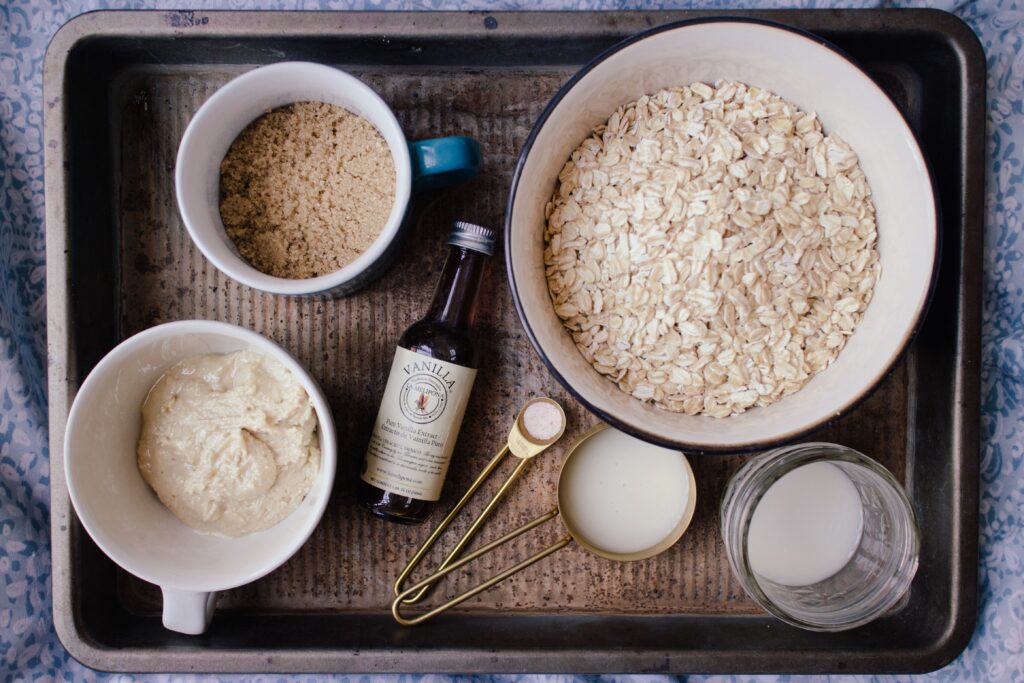
Flavored oatmeal packets may contain sugar, dried fruit, and other ingredients that affect their taste and texture over time. Plain rolled oats are another pantry option, and you can add cinnamon, honey, or dried fruit when you’re ready to make breakfast.
Related: 23 Overnight Oats Recipes Packed With Flavor
11. Cooking Oil
Shelf life: Often 6 months to 1 year after opening, depending on the type of oil
Cooking oils gradually lose freshness when exposed to air, heat, and light, and rancid oil may develop a stale or unpleasant smell. Keep bottles tightly closed in a cool, dark place, follow the label’s guidance, and replace oil that smells or tastes off.
12. Baking Powder and Baking Soda
Shelf life: Baking powder is often best used within 6 months after opening; baking soda can last longer
Baking powder gradually loses its ability to help cakes, breads, and biscuits rise, so old containers may leave baked goods flat. Before relying on an older supply, test baking powder with hot water and baking soda with vinegar to see whether they still fizz.
13. Instant Rice
Shelf life: About 1 to 2 years for best quality, depending on the package
Instant rice saves cooking time, but its texture and flavor can decline during extended storage, especially if the package is damaged or exposed to moisture. For a longer-lasting pantry staple, plain white rice is often a better choice when kept in airtight packaging in a cool, dry location.
14. Coffee
Shelf life: About 6 months to 1 year for ground coffee; whole beans may retain quality longer
Coffee gradually loses aroma and flavor as it sits, and ground coffee tends to go stale sooner because more surface area is exposed to air. Store it in a tightly sealed container away from heat, light, and moisture, and rotate your supply for a fresher cup.
15. Canned Soup
Shelf life: Varies by type; many commercially canned soups have a best-quality window of 2 to 5 years, while some high-acid products have shorter windows
Canned soup is convenient for emergency meals, but its recommended storage time depends on the ingredients and the type of product. Store cans in a cool, dry place and discard any that are bulging, leaking, or badly damaged rather than tasting the contents to check whether they’re safe.
Keep Your Stockpile Fresh
Buying food for emergencies is only part of the job; you also need to check your supplies and use older items before their quality declines. Mark purchase dates when helpful, rotate foods into everyday meals, and replace what you use so your pantry stays ready without filling up with forgotten products.